English
한국어
English
Español
中文
हिंदी
Home
News
Community
Dictionary
English
한국어
English
Español
中文
हिंदी
View list
Paulownia tree
Firmiana simplex
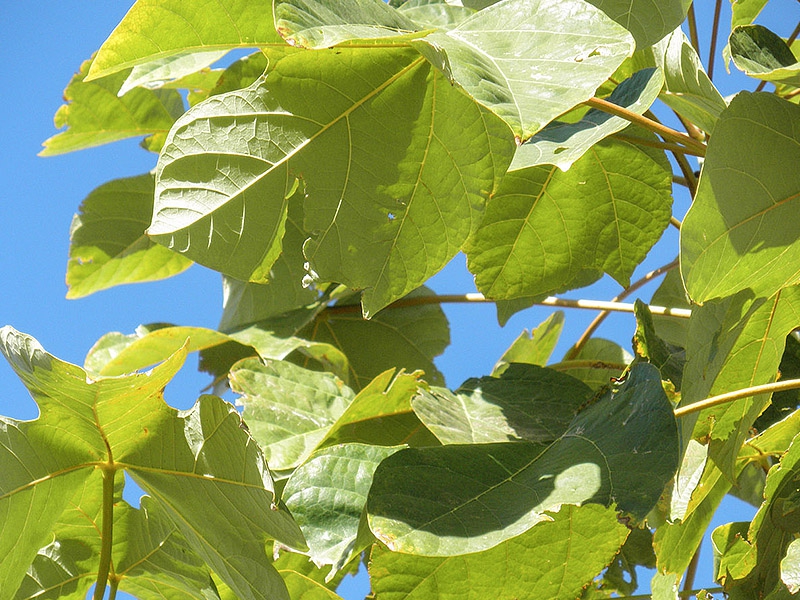
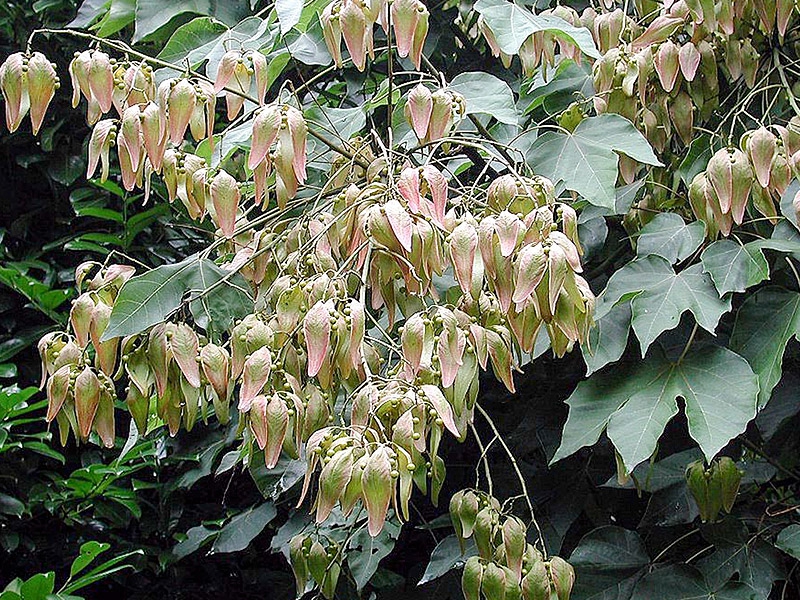
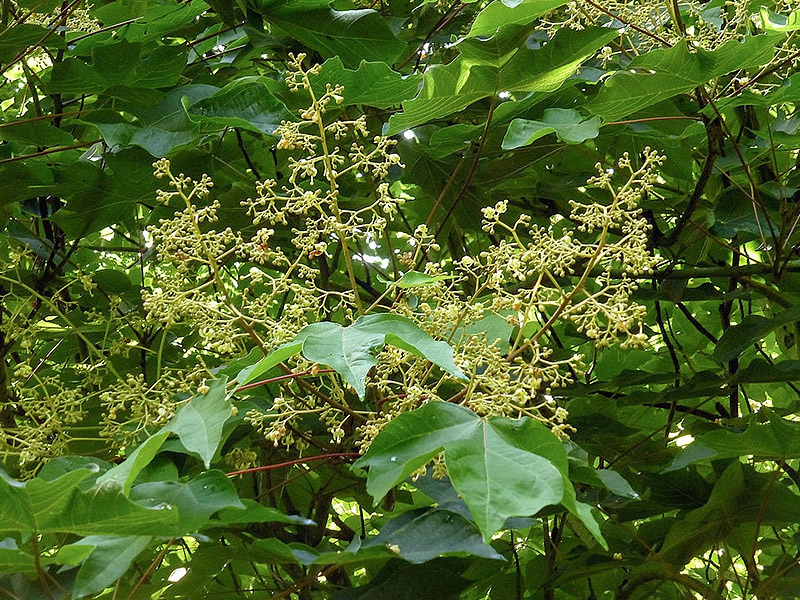
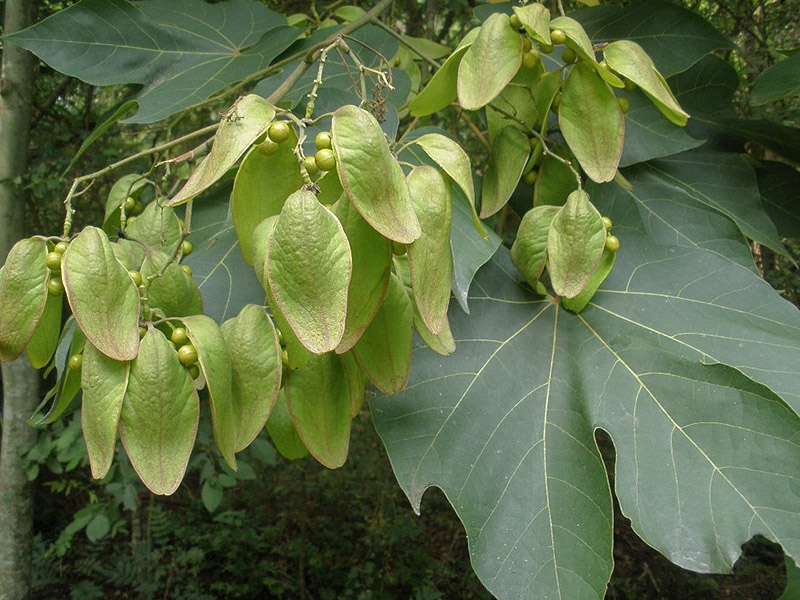
The Chinese Paulownia (Firmiana simplex) is a deciduous tree native to East Asia, including Korea. It possesses the following growth characteristics, propagation and cultivation methods, garden uses, and pest and disease control methods. Growth Characteristics - Environment: The Chinese Paulownia prefers sunny locations and thrives in well-drained soil. It is highly cold-hardy, allowing it to grow in various climatic conditions. - Height and Width: Mature trees grow to approximately 10 to 20 meters in height and have a characteristic of spreading branches. - Leaves: The palm-shaped leaves are highly ornamental due to their large size and unique form. - Flowers and Fruit: Yellow flowers bloom in the summer, and the stems do not droop. The fruit ripens in the autumn. Propagation Methods - Seeds: Propagation is possible via seeds, and it is recommended to sow them in the spring. To increase the germination rate, it is advantageous to soak the seeds in water before planting. - Propagation by Cuttings: Propagation is possible via cuttings, which are typically carried out between spring and summer. Exposure to morning sunlight can promote root growth. Cultivation Methods - Planting: Since the Chinese Paulownia requires attention to root development in the early stages, prepare a sufficiently deep and wide hole. - Watering: While sufficient moisture is necessary initially, the tree grows well without special care thereafter. - Fertilizer: It is recommended to apply general landscaping tree fertilizers according to the recommended schedule. Uses in the Garden- The Chinese Paulownia is suitable for use as a background tree in gardens, providing a visual focal point due to its large leaves and unique trunk shape. - It is also frequently planted in parks and as a street tree, offering excellent shade. Important Pests and Diseases & Control Methods - Diseases: While generally resistant to disease, leaf blight or stem rot may occur. These diseases can be prevented through proper ventilation and drainage management. - Pests: The tree may be susceptible to damage from pests such as caterpillars or aphids; therefore, appropriate pest control is necessary to prevent this. Organic insecticides can be used. - Prevention: Early control is possible by keeping the surrounding environment clean and regularly checking the condition of the plants. The Chinese paulownia is a suitable tree for planting in gardens or public spaces, and with proper care, it can grow healthily for a long time.
Plant Family
Paulownia and
Height
15~18m
Colors
yellow
Bloom Period
June~July
Water Needs
commonly
Exposure
Sunny
Freezing Resistance
-15°C
Jomminhaneuljigi
Fimbristylis aestivalis
Water phoenix moss Ceppie
Fissidens geppii