English
한국어
English
Español
中文
हिंदी
Home
News
Community
Dictionary
English
한국어
English
Español
中文
हिंदी
View list
Policeman Pokea Capensis
Fockea capensis
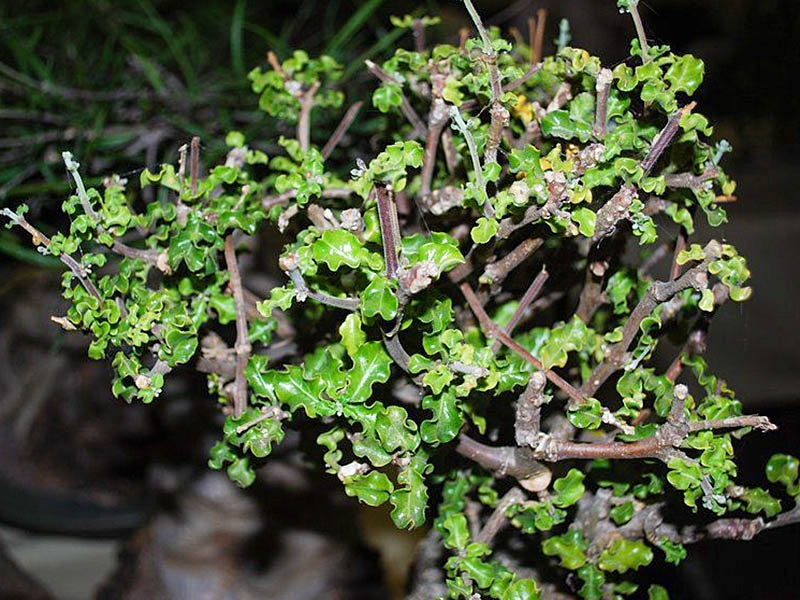
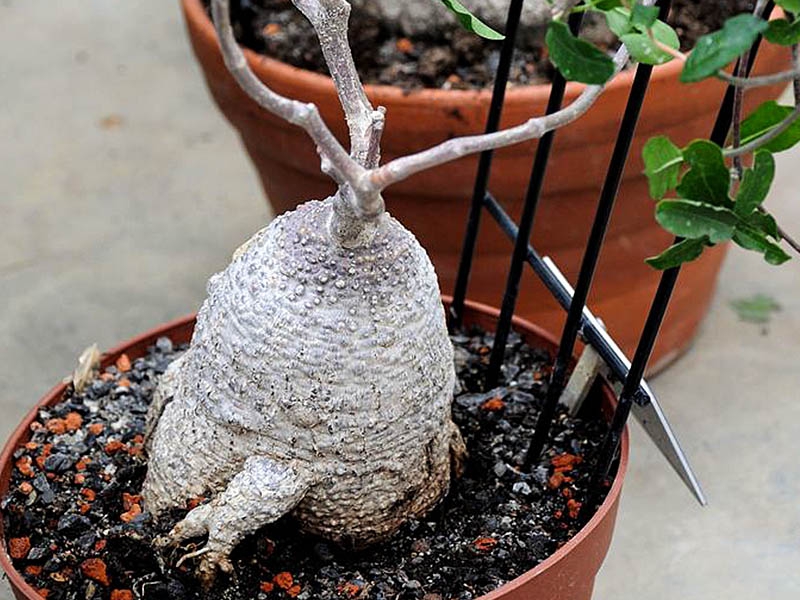
I will explain the growth characteristics, propagation methods, cultivation methods, garden uses, and major pests and control methods of Fockea capensis. Growth CharacteristicsFockea capensis is a vine native to South Africa that thrives primarily in dry climates. Its leaves are thick, fleshy, and glossy green. The plant possesses bulbous, swollen stems capable of storing water. It prefers sunlight but requires caution against strong direct sunlight, and it exhibits optimal growth in well-drained soil. Propagation MethodsIt is primarily propagated by seeds, although leaf and stem cuttings are also possible. It is best to sow seeds in the spring, and germination requires warm temperatures and humidity. After germination, the seedlings should be gradually acclimatized to sunlight. Cultivation MethodsFockea capensis should be grown in well-drained soil mixed with sand or gravel. It is important to avoid overwatering; management should be done by watering only when the soil dries out. Watering frequency should be reduced during the winter, and indoors, it is recommended to provide sufficient indirect light. Uses in the GardenIn the garden, it is primarily planted in pots and is suitable for growing on verandas or windowsills. As a vining plant, supports can be set up to guide the stems, and its unique shape serves as a distinctive focal point. It is also very popular as an indoor foliage plant. Important Pests and Control Methods Pochea capensis is generally resistant to pests and diseases, but root rot can occur due to overwatering. This can be prevented through proper drainage and watering. Additionally, aphids or scale insects may appear; in these cases, they can be controlled using eco-friendly pesticides or soapy water. Maintaining a compact and healthy environment helps prevent pests and diseases.
Plant Family
Asclepiadaceae
Height
15~45cm
Spread
3m
Colors
green
Bloom Period
March to May
Water Needs
commonly
Exposure
semi-shaded area
Freezing Resistance
-3°C
Placourtia Yangomas
Flacourtia jangomas
fennel
Foeniculum vulgare