English
한국어
English
Español
中文
हिंदी
Home
News
Community
Dictionary
English
한국어
English
Español
中文
हिंदी
View list
tulip 'Persian Pearl'
Tulipa pulchell
'Persian Pearl'
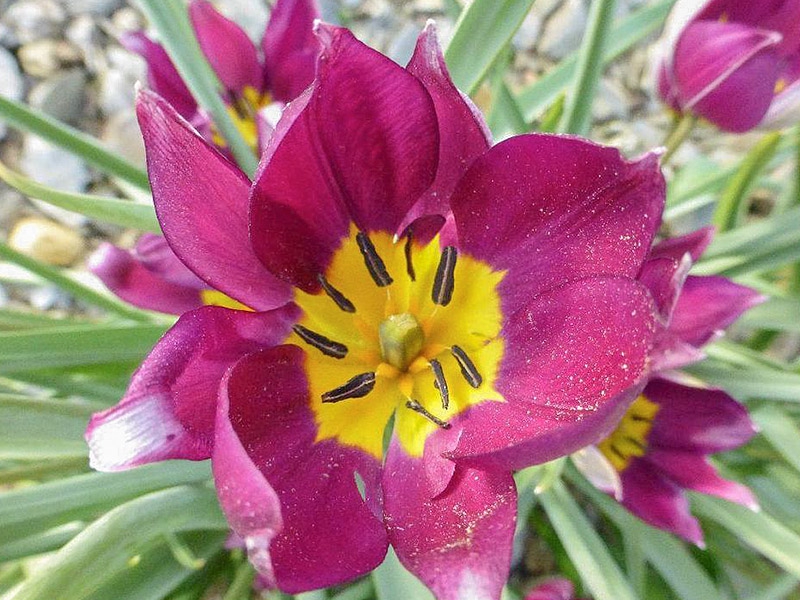
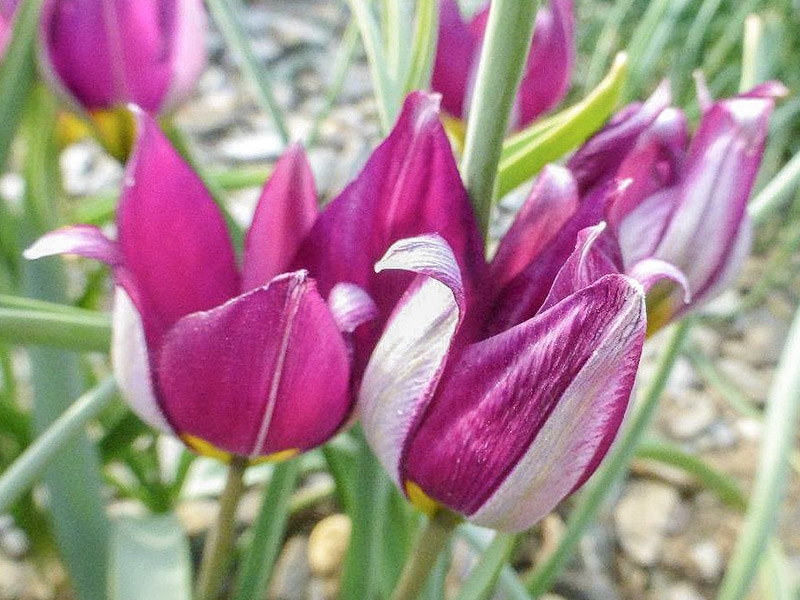
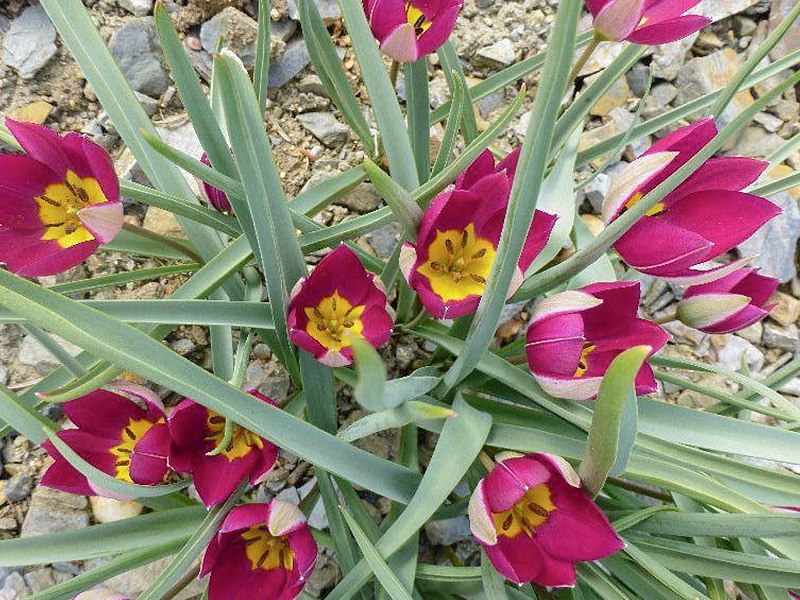
The tulip 'Persian Pearl' (Tulipa pulchella 'Persian Pearl') is a much-loved bulbous plant known for its beautiful appearance and vibrant colors. The following is information regarding this variety's growth characteristics, propagation methods, cultivation techniques, garden uses, and major pests and diseases and control methods. Growth Characteristics - Growing Environment: Persian Pearl tulips thrive primarily in sunny locations. They prefer well-drained soil and thrive in slightly acidic to neutral pH conditions. - Flowering Season: They generally bloom in early spring, and the flowers display vibrant colors of purple or pink. - Height: They are generally small and compact, typically growing to about 15–20 cm. - Cold Hardiness: They possess sufficient cold hardiness to withstand winters in temperate regions without difficulty. Propagation Methods - Bulb Division: Propagation is performed by digging up bulbs in the autumn; larger bulbs are planted, while smaller ones are grown separately. - Propagation by Seed: It can be propagated from seeds, but it may take several years for it to bloom. Cultivation Methods - Planting: It is generally planted in the autumn, and a planting depth of approximately three times the height of the bulb is appropriate. - Watering: Water sparingly in a well-drained environment. Be careful of overwatering. - Fertilization: Apply appropriate fertilizers for bulbous plants in the autumn and in the spring before blooming. Uses in the Garden - Border Placement: Due to their small size and vibrant colors, they are excellent for placement along borders and roadsides. - Flowerbeds and Pots: They can be planted alongside other spring flowers to create a colorful spring garden. Important Pests and Diseases & Control Methods - Diseases: Tulips can be susceptible to fungal diseases, so it is important to avoid overwatering and maintain good ventilation. - Pests: They can be damaged by pests such as aphids; use appropriate insecticides and provide regular care during seasons when pests are likely to appear. - Control Method: If pests or diseases are suspected, remove the affected plants promptly. Combining this with proper fertilization and watering management to strengthen immunity helps with prevention. By managing them thoroughly in this manner, you can grow healthy 'Persian Pearl' tulips.
Plant Type
Plant Family
Lily family
Height
20cm
Spread
7cm
Colors
white, purple
Bloom Period
March
Water Needs
commonly
Exposure
Sunny
Freezing Resistance
-15°C
Tulip 'Apeldoorn's Elite'
Tulipa hybrid 'Apeldoorn's Elite'
Tulipa Humilis 'Alba Coerulea Oculata'
Tulipa humilis 'Alba Coerulea Oculata'