English
한국어
English
Español
中文
हिंदी
Home
News
Community
Dictionary
English
한국어
English
Español
中文
हिंदी
View list
Scented pine
Fontanesia phillyreoides
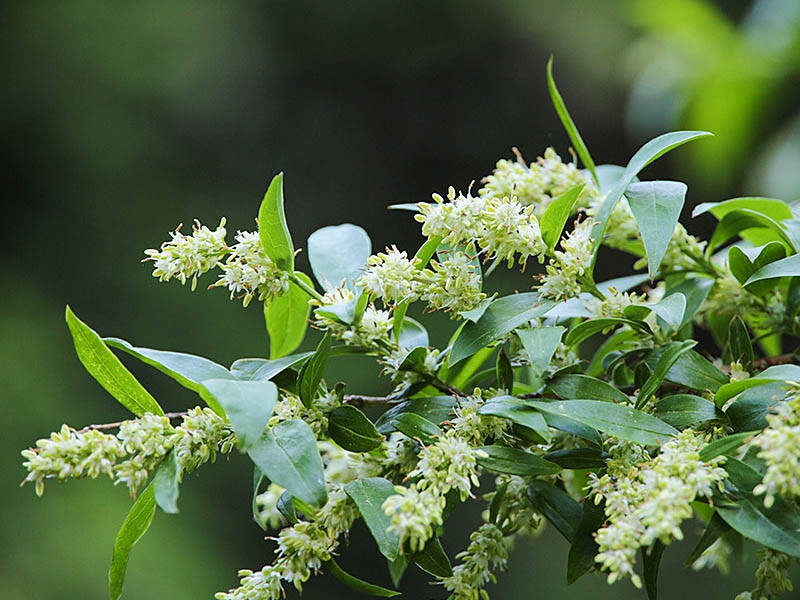
Fontanesia phillyreoides Labill is an evergreen shrub native to the Mediterranean region, primarily planted in Korea for ornamental purposes. The following describes the tree's growth characteristics, propagation methods, cultivation practices, garden uses, major pests and diseases, and control methods. Growth Characteristics - Height and Width: It typically grows to 2 to 4 meters in height and 1.5 to 3 meters in width. - Leaves and Flowers: The leaves are dark green and ovate, and small yellow flowers bloom in May and June. - Soil: It thrives in well-drained soil. It particularly prefers slightly acidic soil. - Sunlight: It grows best in sunny locations, but can also grow in partial shade. - Cold Hardiness: It is relatively cold-hardy, but may be sensitive to extreme cold. Propagation Methods - Seed Propagation: It can be propagated by sowing seeds in the spring. Germination rates may be somewhat low, so it is recommended to prepare a sufficient quantity of seeds. - Cuttings: Propagation is possible via greenwood cuttings during the summer. Select healthy branches and plant them in good substrates such as sand or perlite. Cultivation Methods - Watering: Maintain moderate moisture, but avoid overwatering. Pay particular attention to drainage. - Fertilizing: Applying slow-release fertilizer in late winter or early spring can promote growth. - Pruning: Shape pruning can be performed as needed, usually in spring or autumn. Uses in the Garden - Border Tree: It can be used as a border tree due to its relatively easy maintenance and beautiful form. - Ornamental Tree: It is popular as an ornamental tree in gardens due to its unique leaves and flowers. Major Pests and Control Methods - Spider Mites: It is susceptible to spider mite damage, and periodic insecticide application may be necessary. - Fungal Diseases: Since the plant may contract fungal diseases due to excessive moisture, it should be planted in a well-ventilated location, and care must be taken to ensure proper drainage. - Control Methods: Other pests and diseases do not typically occur seriously, but if an outbreak occurs, they can be treated using biopesticides or eco-friendly control methods. Overall, the plant is relatively easy to manage, but it is important to maintain it in optimal condition through periodic observation and care.
Plant Family
Oleaceae
Height
3m
Colors
Green, yellow
Bloom Period
May
Water Needs
commonly
Exposure
Sunny
Freezing Resistance
-15°C
red fennel
Foeniculum vulgare
'Rubrum'
Neceroides long-bell moss
Forsstroemia neckeroides