English
한국어
English
Español
中文
हिंदी
Home
News
Community
Dictionary
English
한국어
English
Español
中文
हिंदी
View list
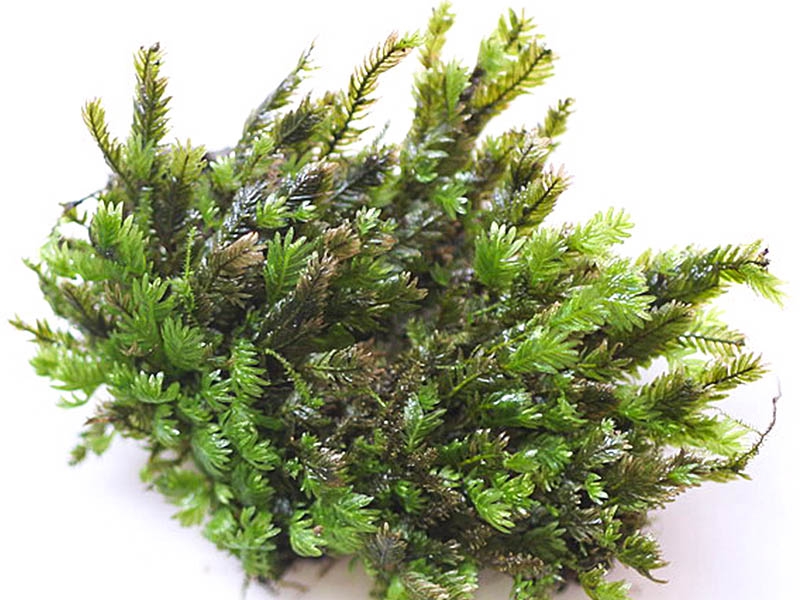
Neceroides long-bell moss
Forsstroemia neckeroides
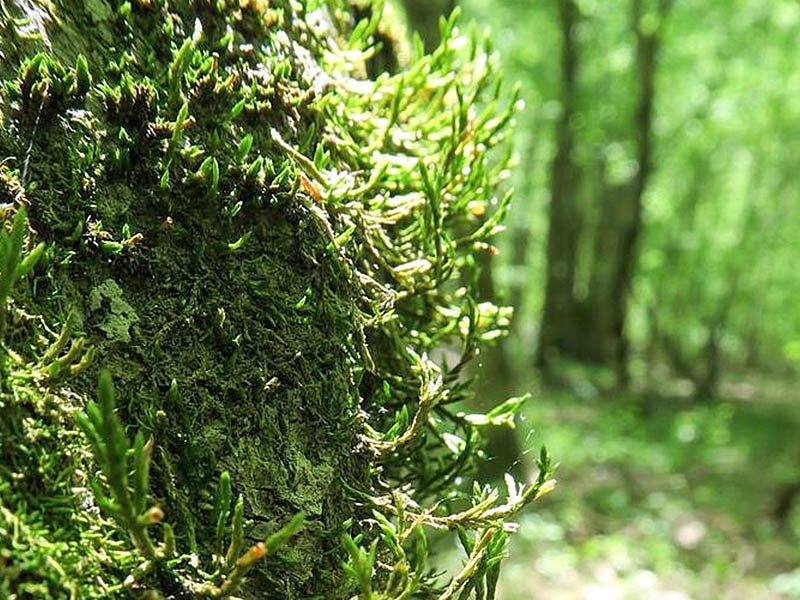
Forsstroemia neckeroides is a type of moss that thrives primarily in moist environments. The following is information regarding the growth characteristics, propagation methods, cultivation methods, garden uses, and major pests and control methods for this species. Growth Characteristics - Environmental Conditions: It grows mainly in humid areas and prefers shady spots. It is found on various substrates, such as tree bark, rocks, and soil surfaces. - Growth Pattern: It grows upright or creeping, and spreads by attaching to other surfaces. Propagation Methods - Asexual Reproduction: It reproduces mainly by spores. Sporophytes are produced seasonally and are dispersed by wind. - Sexual Reproduction: Reproduction occurs through pollination; sperm travel to the egg cell via small water droplets, and fertilization takes place. Cultivation Methods - Cultivation Environment: When cultivating indoors, it is important to maintain appropriate humidity. Water frequently to maintain humidity, and ensure indirect light is used instead of direct sunlight. - Soil Selection: It is recommended to use well-draining mixed soil. Uses in the Garden - Moss Gardens: Used to create moss gardens in shaded areas. - Landscape Enhancement: Can be utilized in landscape designs that provide a natural feel. Important Pests and Control Methods - Pests and Diseases: While relatively resistant to pests and diseases, mold or microbial issues may arise due to excessive moisture. - Control Methods: It is important to ensure proper ventilation and airflow to facilitate air circulation and to avoid excessive humidity. If problems occur, resolve them by adjusting environmental conditions. We hope this information helps you in cultivating and utilizing the long-bell moss Neceroides.
Plant Family
Bristles family
Height
5cm
Colors
sporophyte
Water Needs
well
Exposure
semi-shaded area
Freezing Resistance
-10°C
Scented pine
Fontanesia phillyreoides
Manlihwa
Forsythia ovata