English
한국어
English
Español
中文
हिंदी
Home
News
Community
Dictionary
English
한국어
English
Español
中文
हिंदी
View list
Western Forsythia
Forsythia
×
intermedia
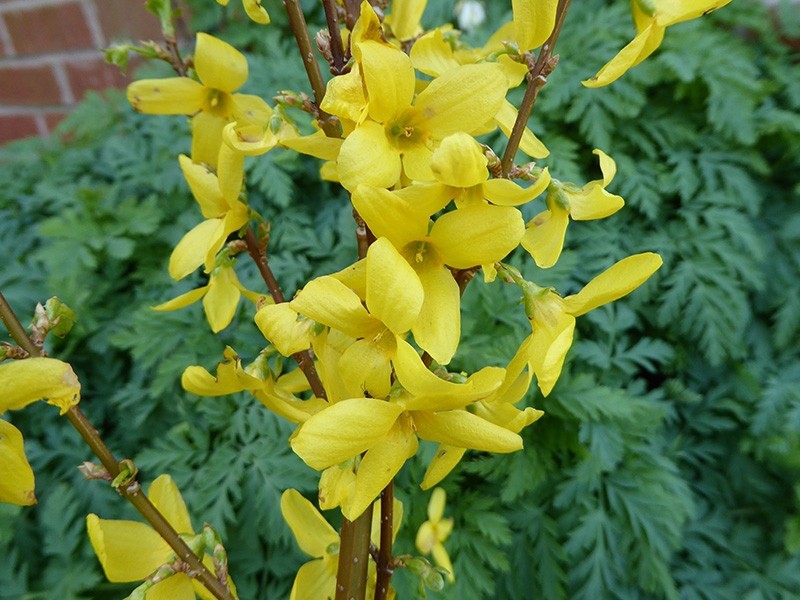
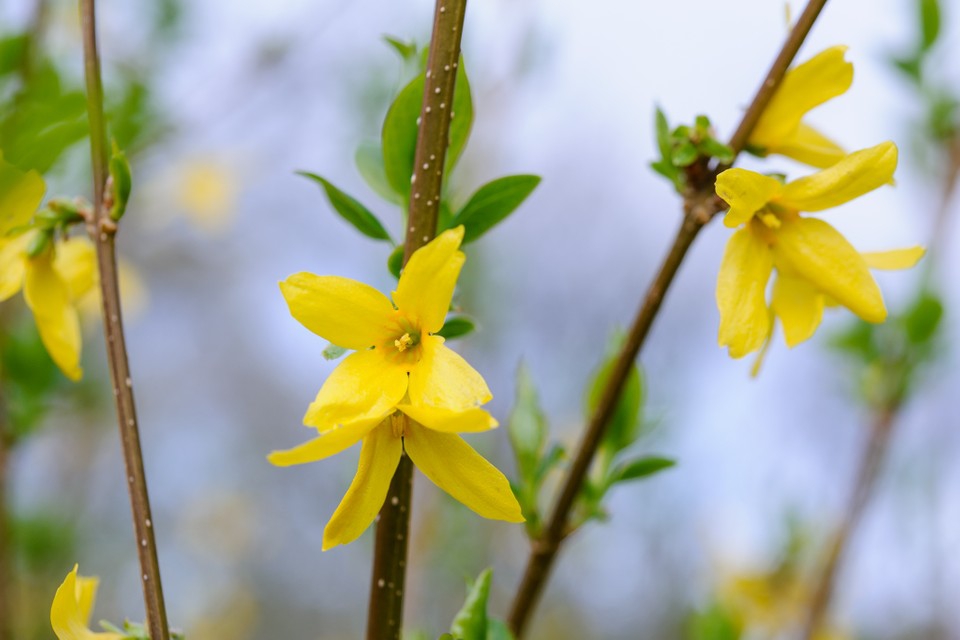
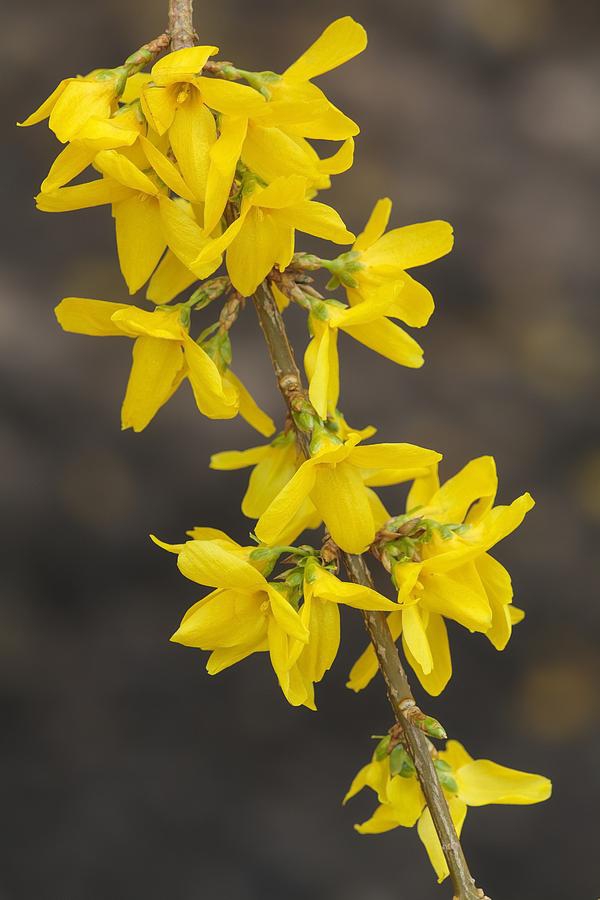
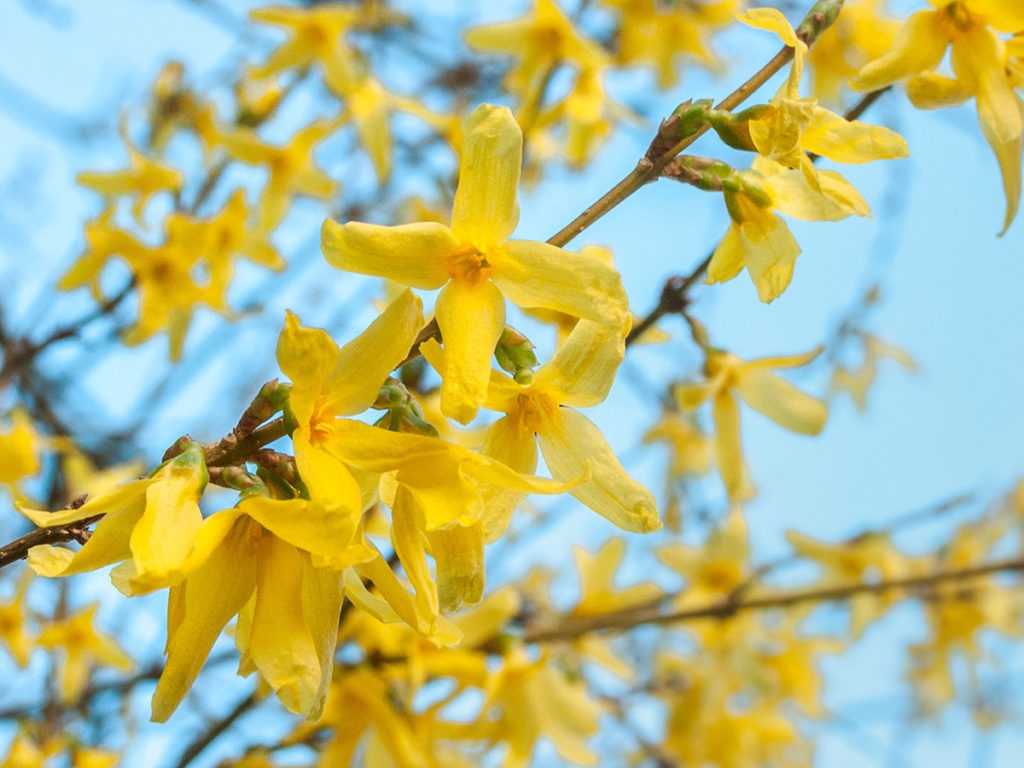
Western Forsythia (Forsythia × intermedia) is a deciduous shrub belonging to the Oleaceae family and is one of the representative flowering trees of spring. The following is information regarding the growth characteristics, propagation methods, cultivation methods, garden uses, and major pests and diseases and control methods of Western Forsythia. Growth Characteristics - Form: It grows as a shrub and can reach a height of 2 to 3 meters. - Leaves: They are simple, oval leaves that are usually green. - Flowers: Golden-colored flowers bloom in early spring, appearing before the leaves emerge. - Growth Conditions: It prefers sunlight and thrives in well-drained soil. It is highly cold-hardy and can withstand dry environments. Propagation Methods - Cuttings: Propagate by cutting fresh branches in the summer. Rooting is successful if adequate humidity is maintained. - Division: This is mainly done in spring or autumn, by dividing large clumps for planting. Cultivation Methods - Planting: It is recommended to improve soil fertility before planting. It should be planted in well-drained soil. - Watering: Under normal rainfall, additional watering is not necessary, but it is advisable to water frequently during very dry periods. - Pruning: After the flowers have faded, prune to maintain the shape and remove old branches to encourage new growth. Uses in Gardens - Western Forsythia is often planted as a boundary in gardens or parks because of its showy flowers that bloom in early spring. It is excellent for use as a hedge or flower fence. Important Pests and Control Methods - Diseases: Western Forsythia is relatively resistant to pests and diseases, but it can occasionally contract fungal or viral diseases. These diseases can be controlled with appropriate pesticides. - Pests: Spider mites and aphids may appear; upon early detection, they can be washed off with soapy water or treated with an appropriate insecticide. Western Forsythia is relatively easy to care for and provides a beautiful landscape in early spring. You can enjoy healthy and beautiful Western forsythias through proper care.
Plant Family
Oleaceae
Height
2.4~3m
Spread
3~3.6m
Colors
yellow
Bloom Period
March to April
Water Needs
commonly
Exposure
Sunny
Freezing Resistance
-20°C
Western Forsythia 'Linwood Variety'
Forsythia
×
intermedia
'Lynwood Variety'
Forsythia
Forsythia suspensa