English
한국어
English
Español
中文
हिंदी
Home
News
Community
Dictionary
English
한국어
English
Español
中文
हिंदी
View list
Strawberry Virginia
Fragaria virginiana
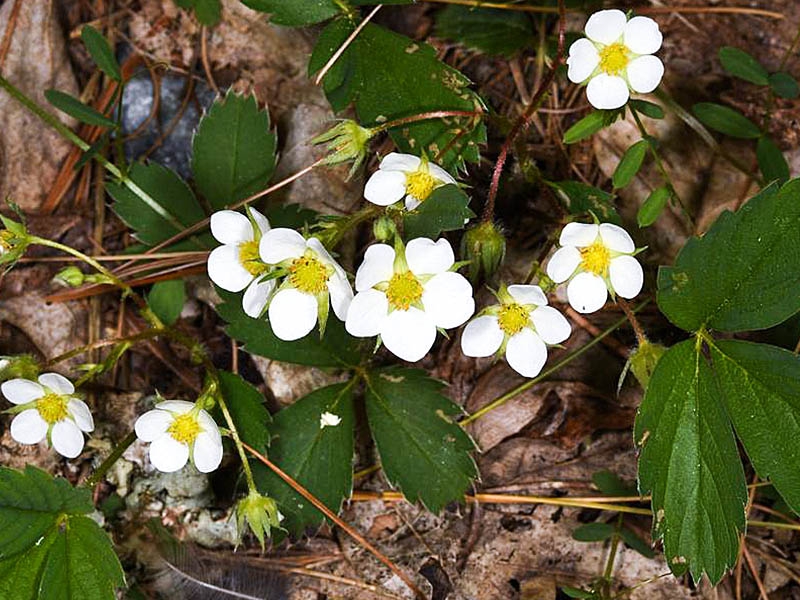
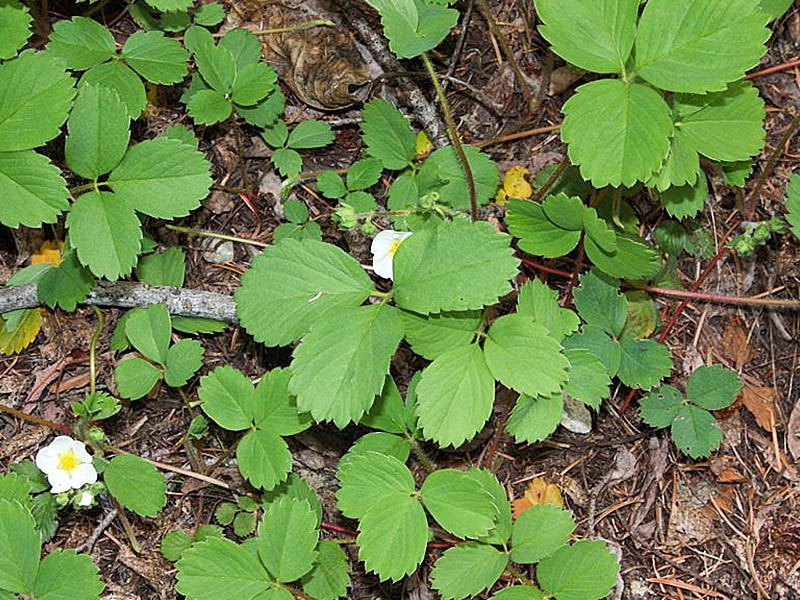
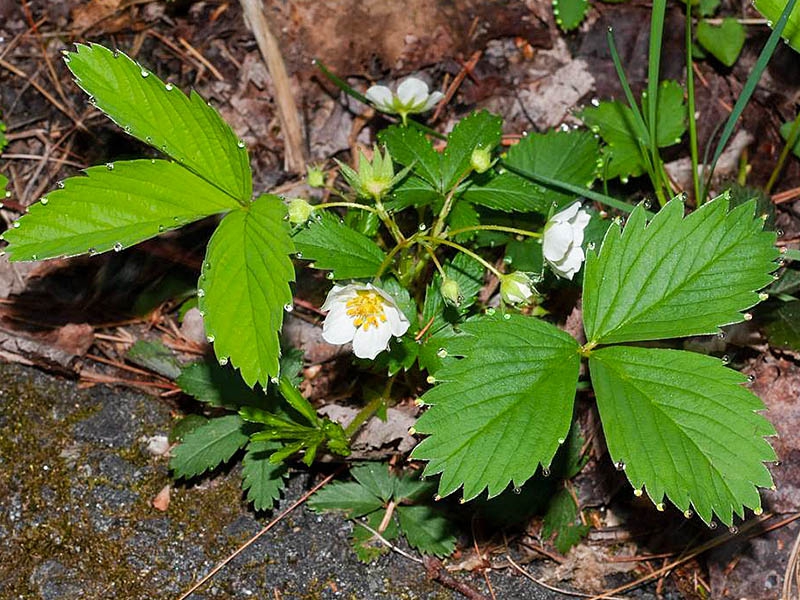
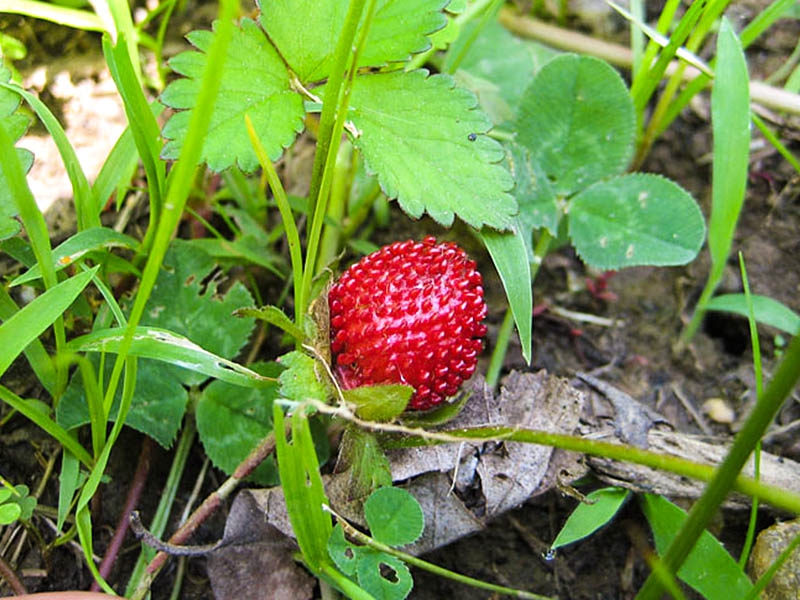
The Virginia strawberry (Fragaria virginiana) is a wild strawberry native to North America and possesses the following characteristics: Growth Characteristics - Morphology: It is a perennial plant with vining stems and compound leaves composed of three leaflets. - Flowers: White flowers bloom in spring, and small strawberry fruits ripen in summer. - Growing Environment: It thrives in both sunny and slightly shaded areas and prefers well-drained soil. Propagation Methods - Runners (Running Shooters): It primarily propagates via above-ground stems (runners), forming new plantlets. - Seeds: While propagation by seeds is possible, propagation via runners is more common. Cultivation Methods - Planting: It is best to plant in spring or autumn, and plants should be spaced at least 30 cm apart. - Watering: Adequate moisture supply is important, and it is recommended to cultivate it in well-drained soil. 3. Fertilizer: Provide adequate nutrition using compost, etc. Uses in the Garden - Ground Cover: Because it grows low and propagates rapidly, it is used as a ground cover. - Ecological Garden: It is useful as a nature-friendly garden and a habitat for wildlife. Important Pests and Control Methods - Diseases: Powdery mildew and fungal diseases are common. To prevent these, ensure good ventilation and remove diseased leaves. - Pests: Aphids and snails may occur. Natural control methods include utilizing beneficial natural predators or using safe insecticides. While Virginia strawberries are generally resistant to pests and diseases, early detection and prevention are crucial. A healthy growing environment can be established through consistent observation and proper care.
Plant Family
Rosaceae
Height
10~17cm
Spread
30~60cm
Colors
white
Bloom Period
May~June
Water Needs
commonly
Exposure
Sunny
Freezing Resistance
-30°C
Besca Strawberry
Fragaria vesca
Strawberry 'Trista'
Fragaria
×
ananassa
'Tristar'