English
한국어
English
Español
中文
हिंदी
Home
News
Community
Dictionary
English
한국어
English
Español
中文
हिंदी
View list
Ash (Rhinoceros rehincophylla var. densata)
Fraxinus rhynchophylla
var.
densata
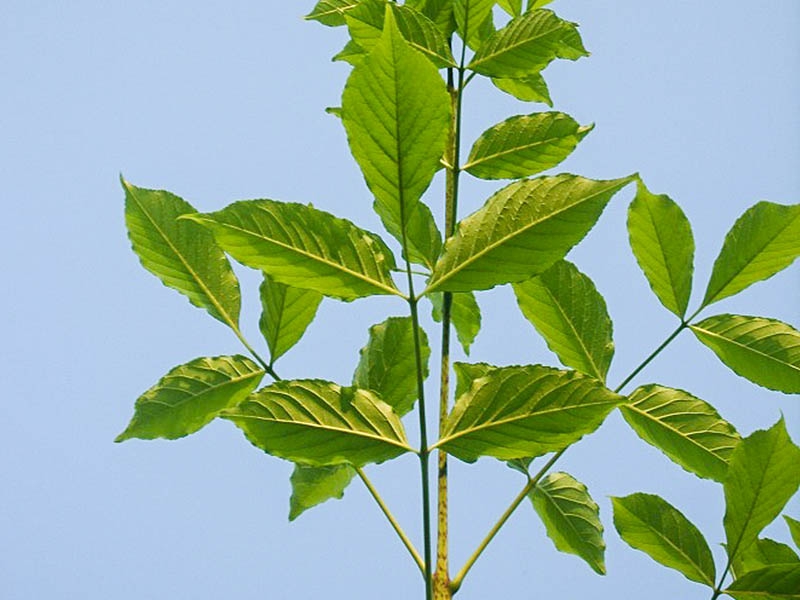
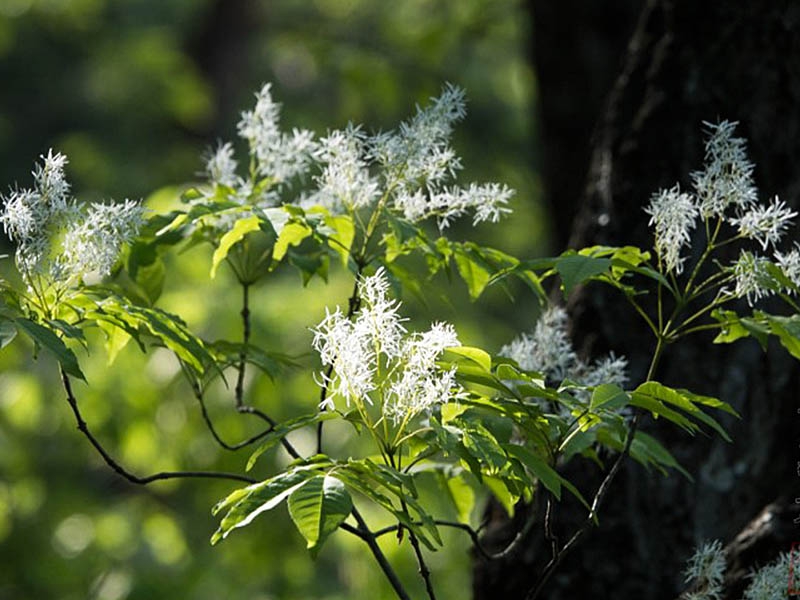
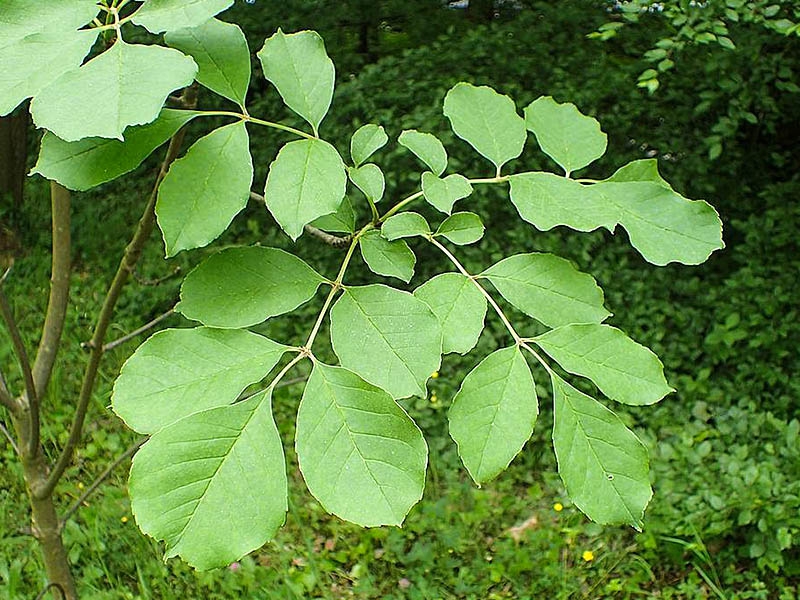
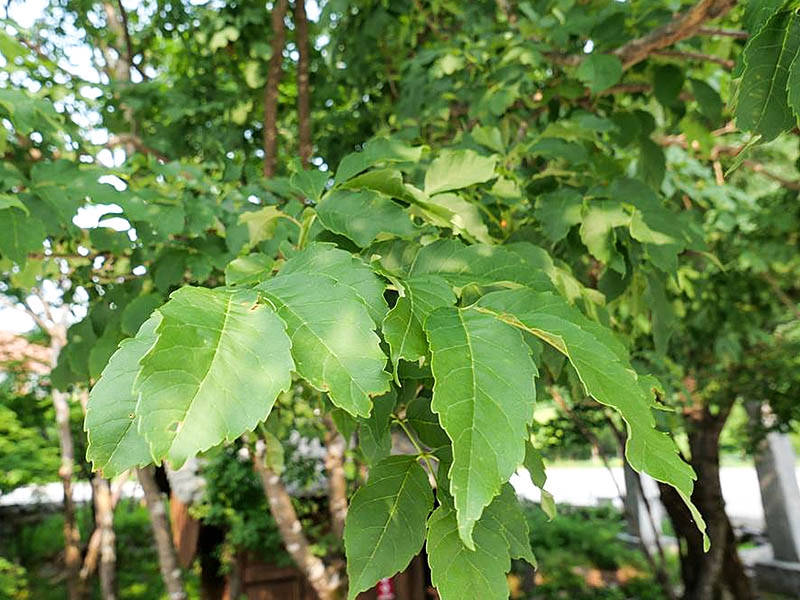
Fraxinus rhynchophylla var. densata is characterized by the following growth characteristics, propagation methods, cultivation methods, garden uses, major pests and diseases, and control methods. Growth Characteristics - Environmental Conditions: Fraxinus rhynchophylla generally thrives in temperate climates and grows well in sunny or partial shaded areas. - Soil: It prefers fertile, well-drained soil and grows well in acidic or slightly acidic soils. Propagation Methods - Seed Propagation: Collecting mature seeds in the autumn and sowing them in the spring after cold stratification increases germination rates. - Cutting Propagation: It can be propagated by stem cuttings during the summer; maintaining appropriate humidity promotes root formation. Cultivation Methods - Planting: When transplanting seedlings, they should be planted at appropriate intervals; a spacing of approximately 3 to 4 meters is suitable. - Water Management: Sufficient water supply is crucial during the early growth stage; once the roots stabilize, the plant can withstand dry conditions to some extent. - Fertilizer: Use slow-release fertilizer to replenish nutrients during the spring when new shoots emerge. Uses in the Garden - The Japanese ash tree is suitable for creating a natural landscape in the garden due to its lush and beautiful foliage. - It can be used as a street tree or windbreak, and is highly popular for landscaping purposes. Important Pests and Diseases & Control Methods - Diseases: Brown spot or rust may occur; remove infected parts and control them using appropriate fungicides. - Pests: Aphids and scale insects can be problematic. Observe for insect appearance early as a preventive measure and use suitable insecticides if necessary. - Physical Control: In the early stages of pest infestation, you can physically remove pests or implement preventive measures by installing netting. Through effective management, the Japanese ash tree grows healthily and can enhance the beauty of your garden.
Plant Family
Oleaceae
Height
8~15m
Colors
amethyst
Bloom Period
May
Water Needs
commonly
Exposure
Sunny
Freezing Resistance
-30°C
Mandshurika
Fraxinus
Blue ash tree
Fraxinus pennsylvanica
var.
lanceolata