English
한국어
English
Español
中文
हिंदी
Home
News
Community
Dictionary
English
한국어
English
Español
中文
हिंदी
View list
Water elm
Fraxinus chiisanensis
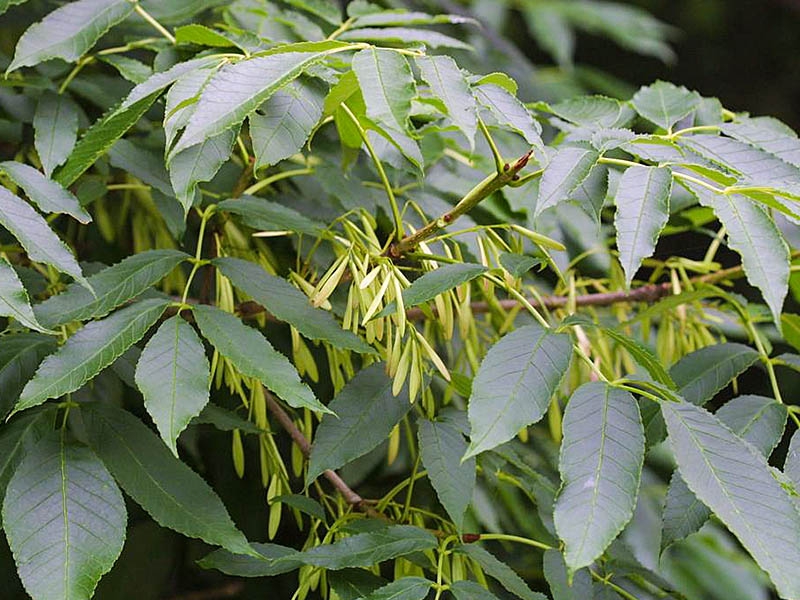
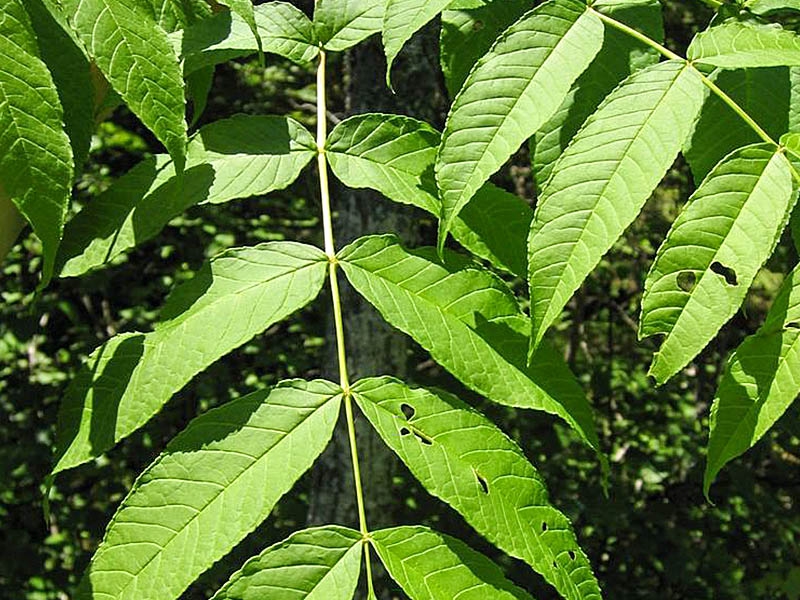
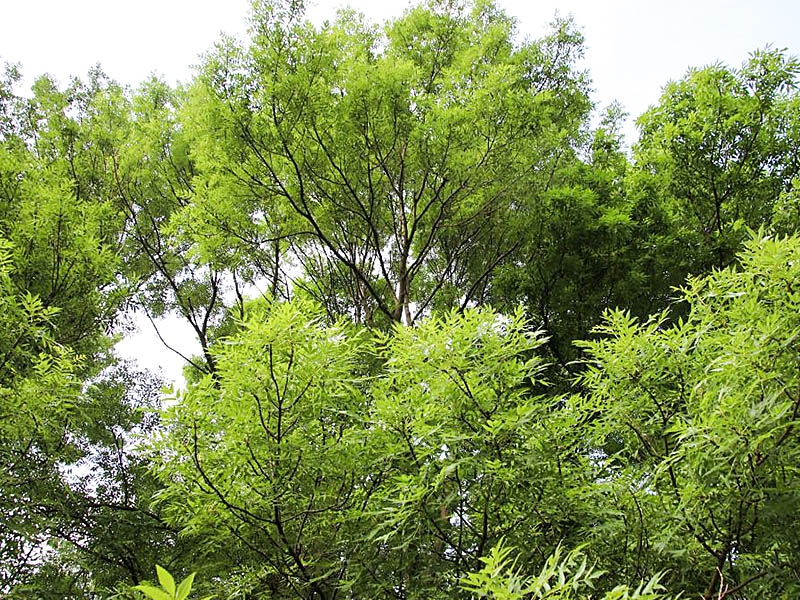
The Chisan Magnolia, also known as Praxinus chisanensis, is a deciduous broad-leaved tree of the genus Praxinus native to specific regions of Korea. This tree grows primarily in forests such as the Chisan area and is a relatively rare native species. Below is an overview of the main characteristics and management methods of the Chisan Magnolia. Growth Characteristics Size and Form: The Chisan Magnolia is a medium-sized tree reaching a height of approximately 10 to 15 meters. Its form is usually upright, with branches spreading neatly. Leaves: This species is characterized by opposite leaves, which are typically dark green. Flowers and Fruits: Small white or pale green flowers bloom in the spring and are relatively inconspicuous. The fruit consists of small winged capsules that are dispersed by wind. Propagation Methods Seeds: The most common method of propagation is by seeds. Seeds collected in the autumn are stored at an appropriate temperature until spring before being sown. Propagation by Cuttings: While it is possible to propagate by cutting off a portion of a stem to encourage new roots to grow, propagation by seeds is more common. Cultivation Methods Soil and Location: It prefers heavy soil rich in nitrogen and organic matter. It requires sufficient sunlight but grows well in partial shade. Watering: Water regularly to prevent the soil from drying out completely; this is especially important during the growing season. Fertilizer: It is recommended to apply organic or slow-release fertilizers during the early stages of growth. Garden Uses Landscaping Uses: Its size and beautiful foliage make it suitable for parks or large gardens. Like maples, its leaves turn yellow in the autumn, making it excellent for landscape purposes. Important Pests and Control Methods Pests and Diseases: It may be attacked by pests such as gnats, and fungal diseases can also occur. Control Methods: If pests are found, remove them using appropriate insecticides. If the plant is diseased, remove the affected parts and apply an appropriate fungicide. The Magnolia sieboldii does not require special care, but its health can be maintained through regular inspections and basic maintenance. A well-cared-for Magnolia obovata can be a beautiful tree to decorate gardens or parks.
Plant Family
Oleaceae
Height
7∼22cm
Colors
yellow
Bloom Period
May
Water Needs
commonly
Exposure
Sunny
Freezing Resistance
-20°C
European ash tree
Fraxinus excelsior
American ash
Fraxinus americana