English
한국어
English
Español
中文
हिंदी
Home
News
Community
Dictionary
English
한국어
English
Español
中文
हिंदी
View list
Fritilia akmopetala
Fritillaria acmopetala
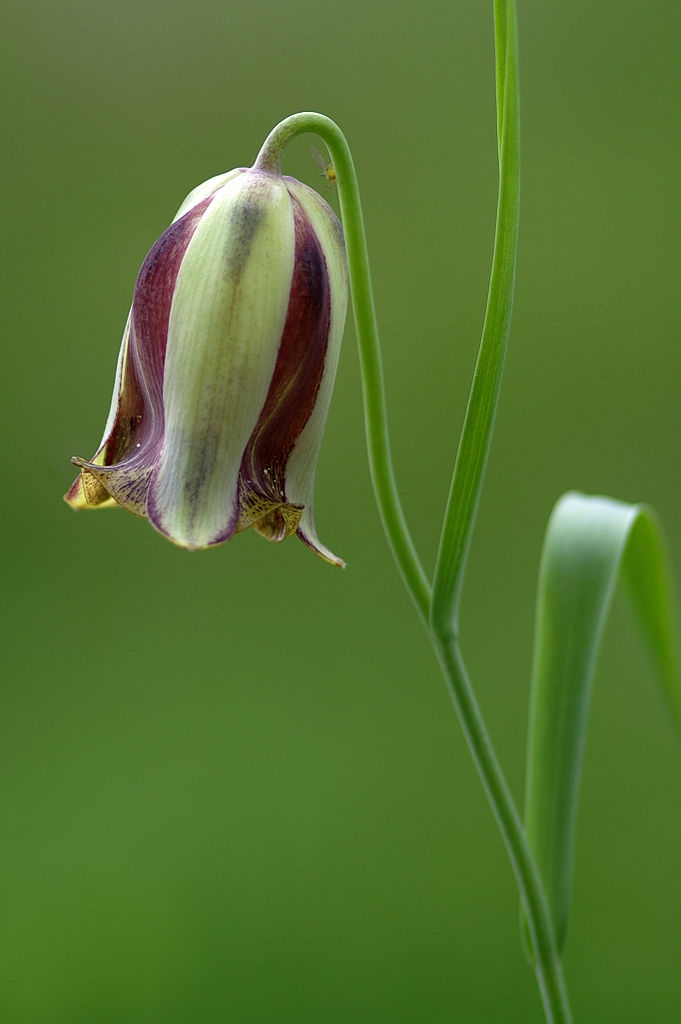
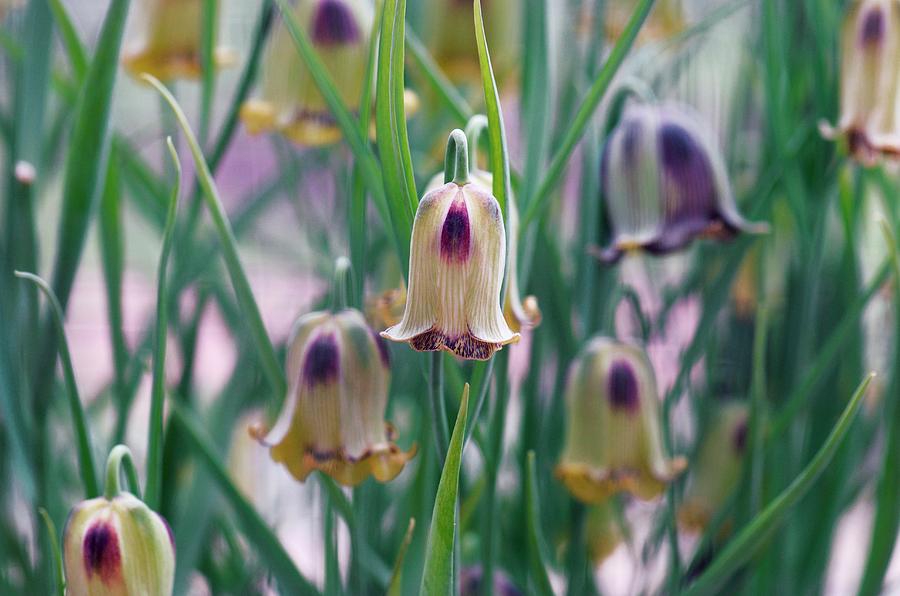
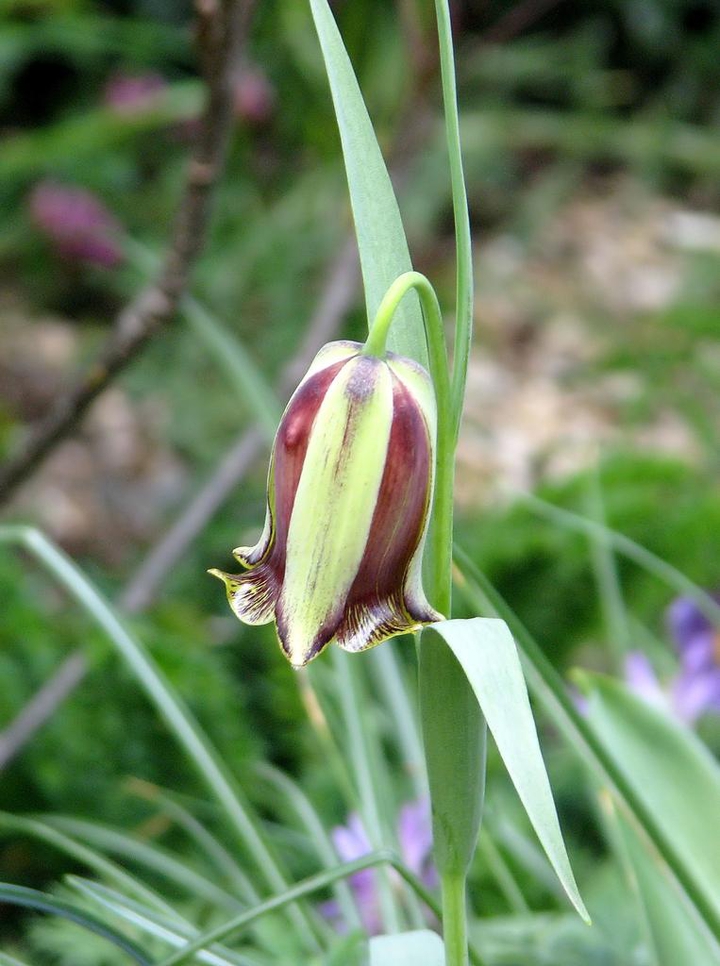
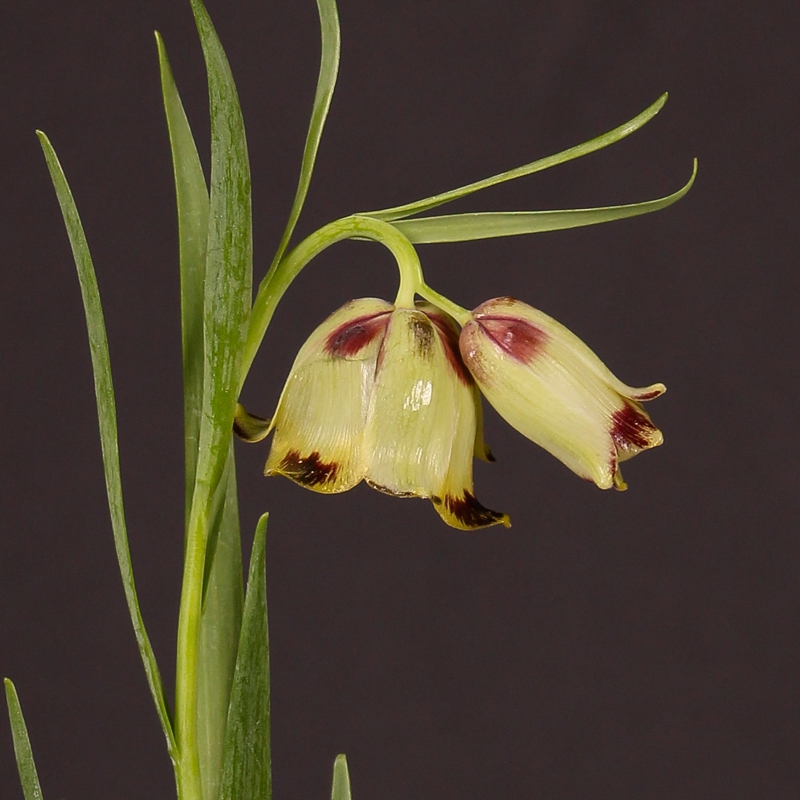
The growth characteristics, propagation methods, cultivation methods, garden uses, and major pests and diseases and control methods of Fritillaria acmopetala can be summarized as follows. Growth Characteristics Fritillaria acmopetala is a bulbous plant mainly distributed in the West, famous for its spring blooms. It grows to a height of approximately 30 to 60 cm and produces unique bell-shaped flowers with a harmonious blend of yellow and green. Growth becomes vigorous as temperatures warm, but it can thrive even in slightly cool conditions. Propagation Methods Propagation is primarily done through bulbs. Bulbs can be carefully separated and propagated during the summer; while propagation by seeds is also possible, it has the disadvantage of taking longer. Cultivation Methods It is important to plant in well-drained soil, and it grows well in partial shade or full sun with moderate sunlight. Select soil with good drainage, and avoid excessive moisture. Water sparingly during the summer, and since it enters dormancy during the winter, almost no watering is required. Uses in the GardenFritilia acmopetala is a popular accent plant in garden design due to its unique flower shape and color. It can be arranged harmoniously with other spring flowers to create a beautiful garden. Important Pests and Diseases and Control Methods The most common problem is root rot caused by overwatering. Therefore, it is important to create an environment with good drainage. Additionally, the plant may be susceptible to bulb rot or damage from aphids; in such cases, control measures should be taken using appropriate pesticides. Preventive measures include ensuring good ventilation around the plant and detecting and responding to early pests and diseases through regular inspections.
Plant Family
Lily family
Height
20~30cm
Spread
5~7cm
Colors
green
Bloom Period
April~May
Water Needs
commonly
Exposure
Sunny
Freezing Resistance
-15°C
Fritillaria 'The Premiere'
Fritillaria imperialis
'The Premier'
Fritillaria pallidiflora