English
한국어
English
Español
中文
हिंदी
Home
News
Community
Dictionary
English
한국어
English
Español
中文
हिंदी
View list
Fritillaria 'Brahms'
Fritillaria imperialis
'Brahms'
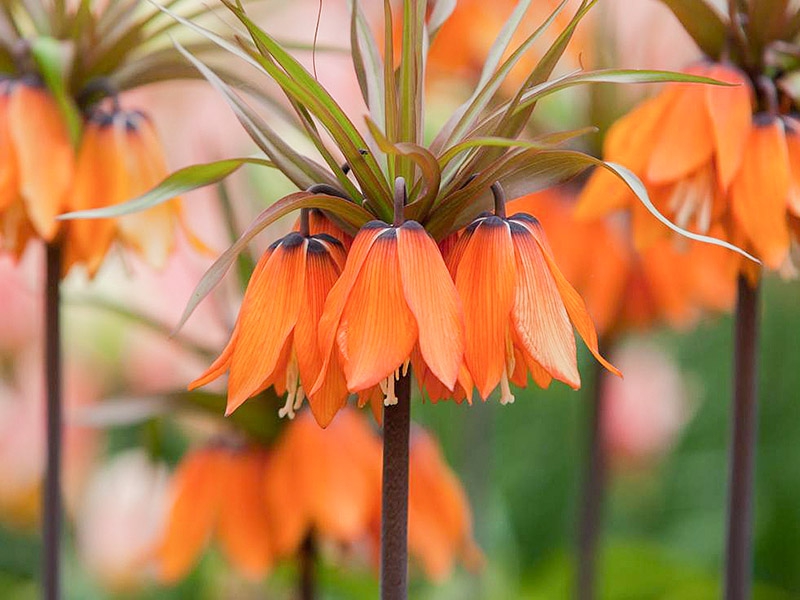
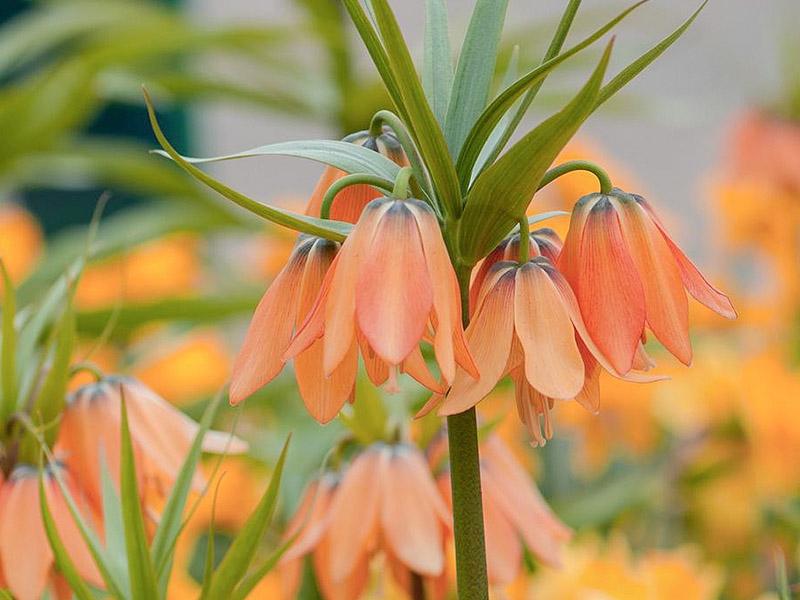
Fritillaria 'Brahms' is a bulbous plant with showy flowers, characterized by the following growth traits and methods of propagation and cultivation. Growth Traits - Plant Form: Reaches a height of approximately 0.6 to 1.2 meters, bearing large, showy flowers at the tips of the stems. - Flowers: Blooming primarily in spring, the flowers, in colors such as orange and red, hang down in a bell shape. - Leaves: Lush whorled leaves grow around the stems. Propagation Methods - Bulbs: Primarily propagated by planting bulbs; it is best to plant them in the autumn. - Division: Propagation can be achieved by separating the small bulbs (daughter bulbs) that form around the main bulb. Cultivation Methods - Soil: Prefers well-drained soil, with slightly acidic to neutral soil being suitable. - Sunlight: Likes sunny locations but can tolerate some shade. - Watering: Water thoroughly when the soil dries out, but avoid overwatering. - Fertilizer: It is best to use slow-release fertilizer when growth begins in the spring. Uses in the Garden - Landscape CreationThanks to its tall stature and unique flower shape, it is ideal for placement in the center or at the back of a flower bed. - Combinations with Other PlantsPlanting it with tulips or narcissus creates a visually beautiful harmony. Important Pests and Control Methods - DiseasesThere may be diseases causing leaf spots, and the bulbs may rot if submerged in water. - PestsIt can be damaged by snails and slugs. - Control MethodsPrevent root rot by improving drainage, and use insecticides if necessary. Sprinkling fine sand or shells can deter snails. By utilizing this information, you will be able to successfully grow Fritillaria 'Brahms' and enhance the beauty of your garden.
Plant Family
Lily family
Height
60~90cm
Spread
17~20cm
Colors
orange
Bloom Period
April~May
Water Needs
commonly
Exposure
Sunny
Freezing Resistance
-20°C
Fritillaria 'Maxima Rutia'
Fritillaria imperialis
'Maxima Lutea'
Fritillaria 'Bach'
Fritillaria imperialis
'Bach'