English
한국어
English
Español
中文
हिंदी
Home
News
Community
Dictionary
English
한국어
English
Español
中文
हिंदी
View list
hairy savory
Galeopsis bifida
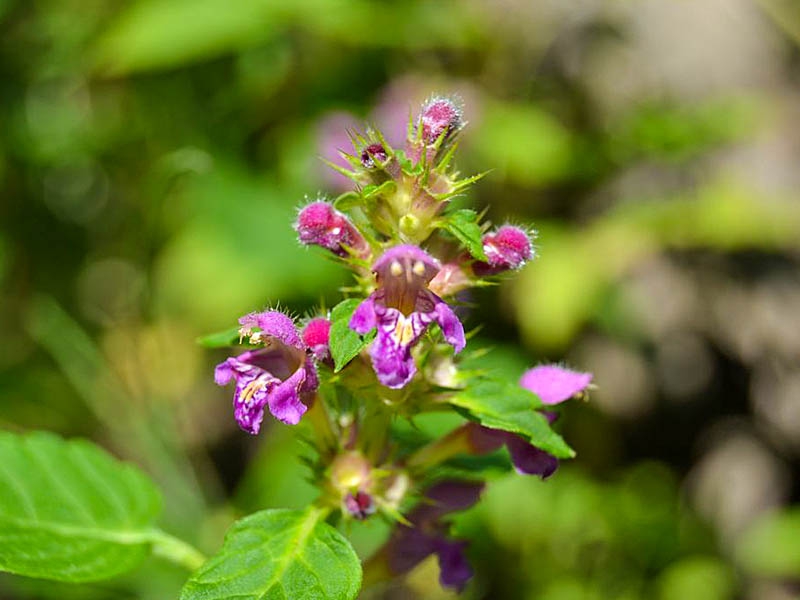
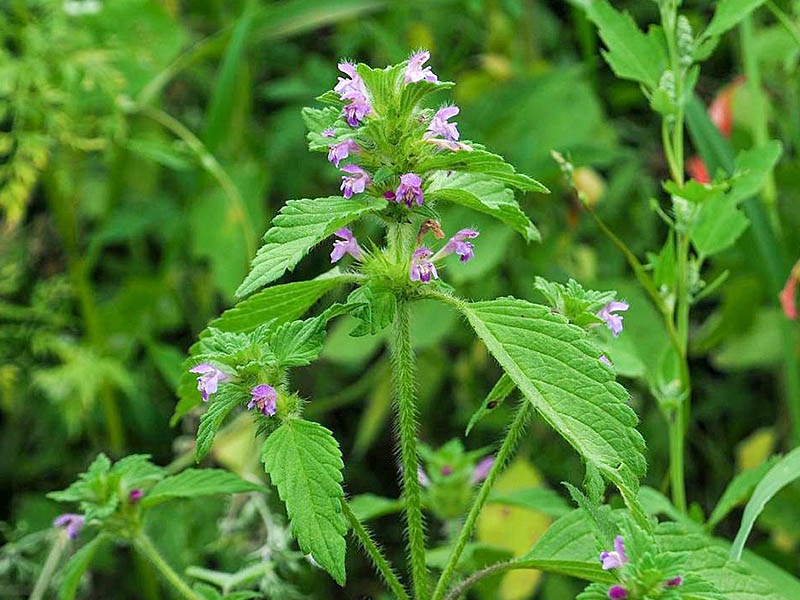
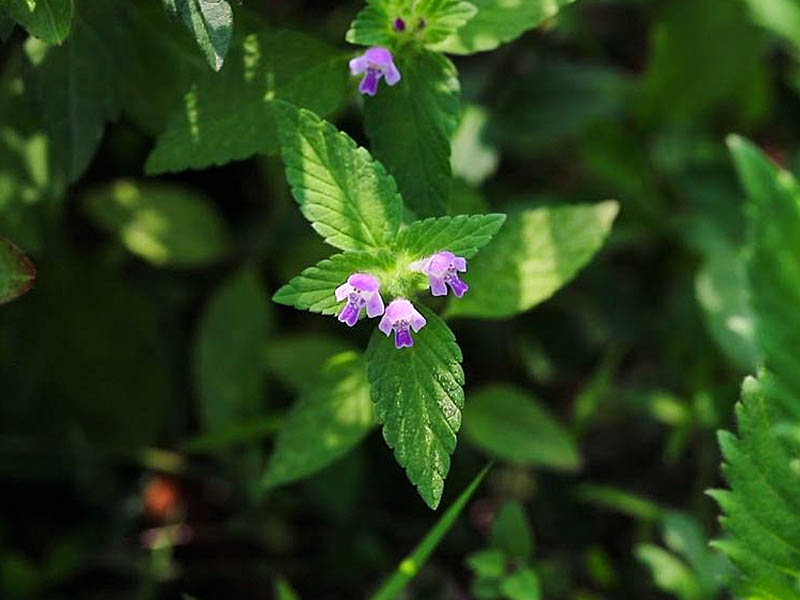
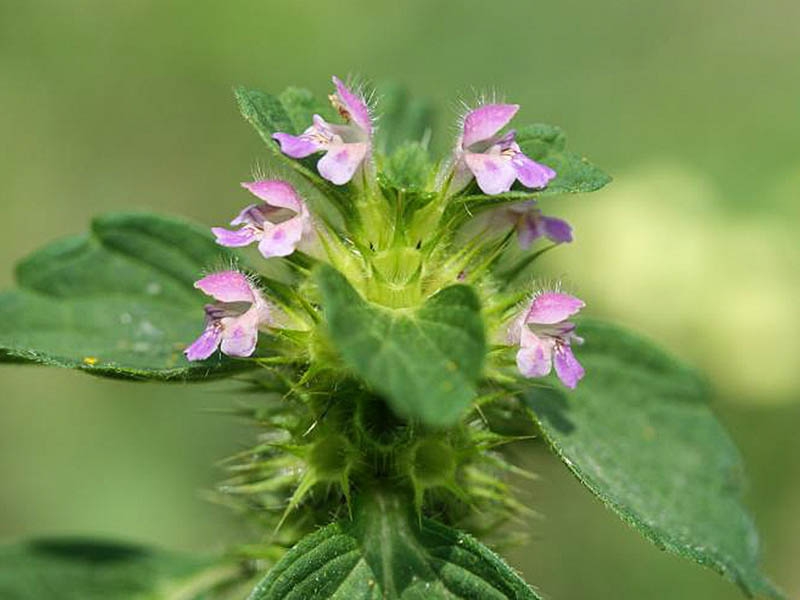
Galeopsis bifida Boenn is a plant that thrives primarily in moist environments. Its growth characteristics, propagation methods, cultivation methods, garden uses, and pest and disease control methods are as follows: Growth Characteristics - Environment: Galeopsis thrives in relatively moist soil and can grow in a variety of environments ranging from partial shade to full sun. - Height: It typically grows to 30–60 cm. - Flowers: It produces small flowers from summer through autumn. Propagation Methods - Seeds: Propagating Galeopsis by seeds is the most common method. - Planting Time: Seeds can be sown directly in the spring, or grown indoors and then transplanted. Cultivation Methods - Soil: Well-drained, fertile soil is suitable. - Watering: Regular watering is necessary as it prefers a moist environment. - Maintenance: Basic care, such as weeding, is required. Maintain adequate spacing while growing to ensure good ventilation. Uses in the Garden- Due to its beautiful flowers, the hairy mint is widely used as an ornamental plant, often planted in flowerbeds or along borders. Important Pests and Control Methods- Diseases: It is generally resistant to diseases, but leaf mold may occur due to excessive moisture or lack of ventilation. - Control: Ensure good ventilation and maintain appropriate spacing to prevent waterlogging. - Pests: Pests such as aphids may occur. - Control: If necessary, eliminate pests using soapy water or eco-friendly insecticides. The hairy mint (Bifida Vivida) can grow healthily with consistent care and the provision of a suitable environment. By understanding these characteristics and managing the plant accordingly, you can utilize it in your garden.
Plant Family
Lamiaceae
Height
25∼50cm
Colors
amethyst
Bloom Period
June–July
Water Needs
commonly
Exposure
Sunny
Freezing Resistance
-15°C
Euryale ferox
Cyrtosia septentrionalis
hairy starflower
Galinsoga quadriradiata