English
한국어
English
Español
中文
हिंदी
Home
News
Community
Dictionary
English
한국어
English
Español
中文
हिंदी
View list
Hooked four-leaf rake
Galium pseudoasprellum
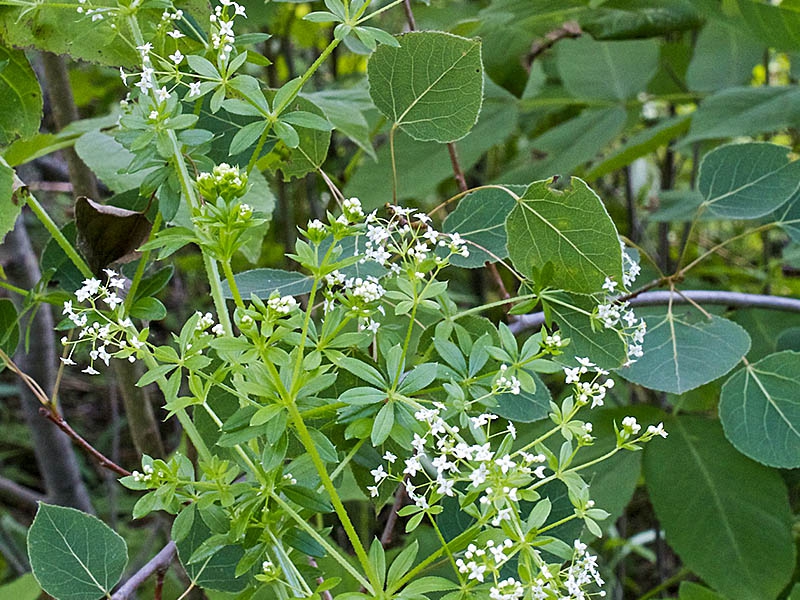
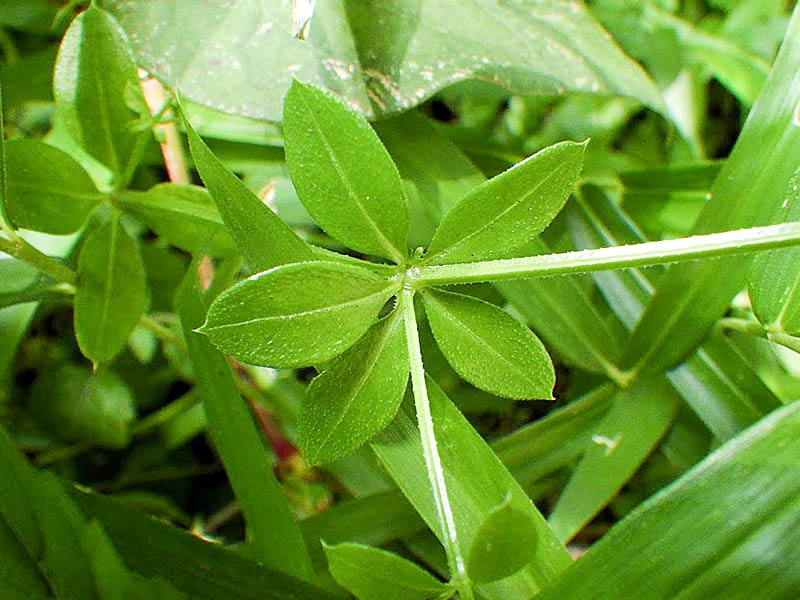
Galium pseudoasprellum is a perennial herbaceous plant belonging to the Amaryllidaceae family. I will explain its growth characteristics, propagation methods, cultivation methods, garden uses, and major pests and diseases, as well as control methods. - Growth Characteristics: - Galium pseudoasprellum primarily grows in moist forests or at the forest edge. - The stems grow long and slender, usually leaning against other plants. - The leaves are arranged in whorls of four, and small white flowers bloom in the summer. - Propagation Methods: - Galium pseudoasprellum is mainly propagated by seeds. - Seeds should be sown in spring or autumn; to increase germination rates, it is recommended to chill the seeds for about a week before sowing. - It can also be propagated by root division. - Cultivation Methods: - Well-drained soil with slightly moist conditions is ideal. - It can be successfully grown in partial shade. - Water moderately and avoid overwatering. - Use in the Garden: - The Japanese knotweed is particularly well-suited for use in naturalistic gardens. - Since it grows by leaning against other plants, it is ideal for planting around hedges or ponds. - Its small flowers are beautiful, making it valuable as an ornamental plant. - Important Pests and Diseases and Control Methods: - While it is relatively resistant to pests, you should be careful of aphids and scale insects. - If found, it is recommended to wash them off with water or use an appropriate insecticide. - Avoid overwatering to prevent leaf fungal diseases. If you manage the Japanese knotweed well by considering these characteristics and methods, you will be able to see it growing healthily in your garden.
Plant Family
Rubiaceae
Height
1~2m
Colors
green
Bloom Period
August to October
Water Needs
commonly
Exposure
Sunny
Freezing Resistance
-20°C
Four-leaf clover
Galium bungei
var.
trachyspermum
Minsan Galkwi
Galium pogonanthum
f.
nudiflorum