English
한국어
English
Español
中文
हिंदी
Home
News
Community
Dictionary
English
한국어
English
Español
中文
हिंदी
View list
Heavenly Horse
Gastrodia elata
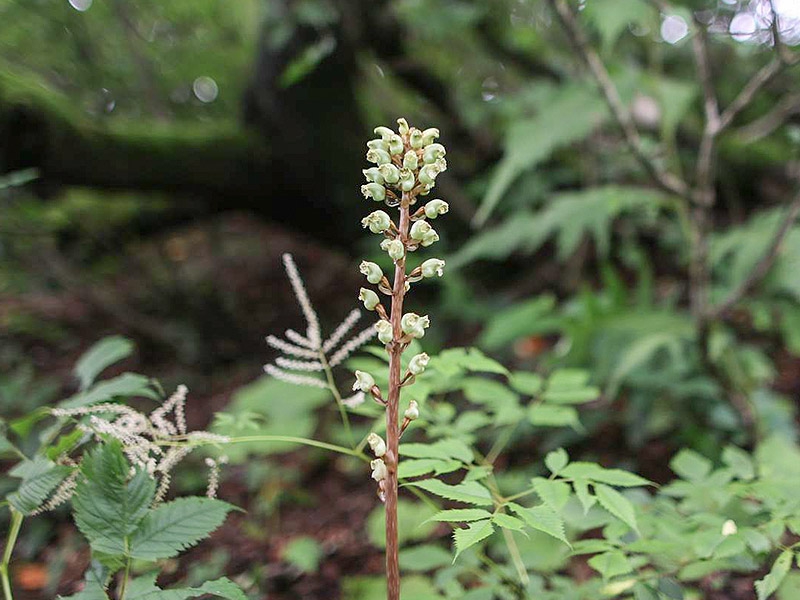
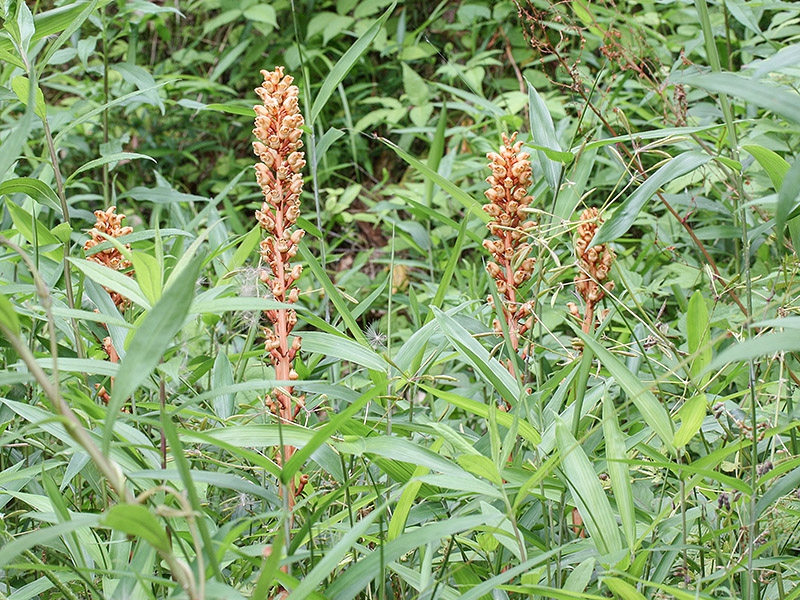
Gastrodia elata is a plant native to the Northeast Asian region, including Korea, Japan, and China, and grows primarily in forested areas. The following describes the growth characteristics, propagation methods, cultivation methods, garden uses, major pests and diseases, and control methods of Gastrodia elata. Growth Characteristics - Growth Environment: Gastrodia thrives in humus-rich soil within forests where sunlight is scarce. As a shade-loving plant, it prefers moist, humus-rich soil. - Characteristics: It is a root-growing plant that lacks chlorophyll and therefore does not perform photosynthesis, relying instead on root fungi to absorb nutrients. Propagation Methods - Seed Propagation: Gastrodia reproduces via seeds, but successful germination occurs only when symbiotic fungi are present. - Spore Propagation: It reproduces naturally primarily through spores and spreads on its own under natural conditions. Cultivation Methods - Soil Preparation: It requires well-drained soil rich in humus. When cultivating artificially, it is recommended to establish a dedicated cultivation area for Gastrodia elata. - Planting: When planting Gastrodia elata bulbs, they should be buried shallowly, and care must be taken to maintain a symbiotic relationship with fungi. - Management: Water sufficiently to maintain moisture, but avoid excessive humidity. It is recommended to use fertilizer specifically designed for Gastrodia elata. Uses in Gardens - Ornamental: Its unique appearance makes it suitable for garden decoration. - Other Uses: It is also used as a medicinal herb; in particular, it is known in traditional Korean medicine for its benefits in making syrup, expectorant, and sedative effects. Important Pests and Control Methods - Pests and Diseases: It is susceptible to root rot caused primarily by fungi. - Control Methods: Diseased parts must be removed immediately. When replacing or replanting, a disinfected cultivation environment must be established. It is important to minimize the occurrence of pests and diseases by keeping the surrounding environment clean. While Gastrodia elata grows naturally without requiring special care, caution is necessary when cultivating it artificially. Cultivation and management tailored to climate and environmental conditions are the key to success.
Plant Family
Orchid family
Height
60~100cm
Colors
white, brown
Bloom Period
June~July
Water Needs
commonly
Exposure
semi-shaded area
Freezing Resistance
-10°C
Golden orchid
Gastrochilus matsuran
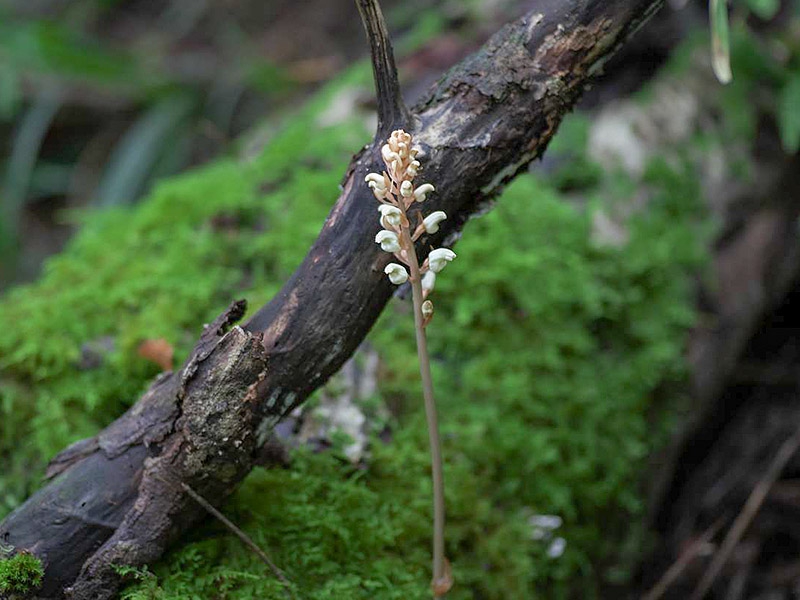
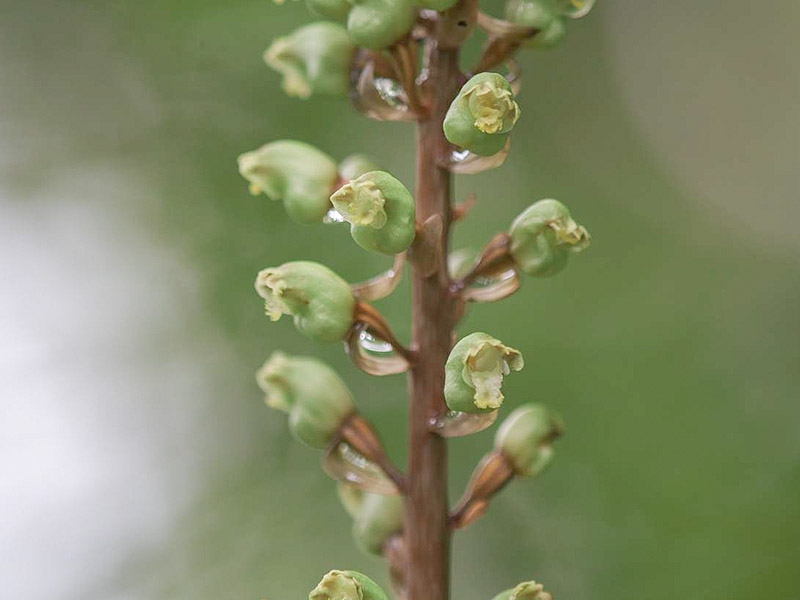
Halla Cheonma
Gastrodia pubilabiata