English
한국어
English
Español
中文
हिंदी
Home
News
Community
Dictionary
English
한국어
English
Español
中文
हिंदी
View list
Geranium
Geranium platyanthum
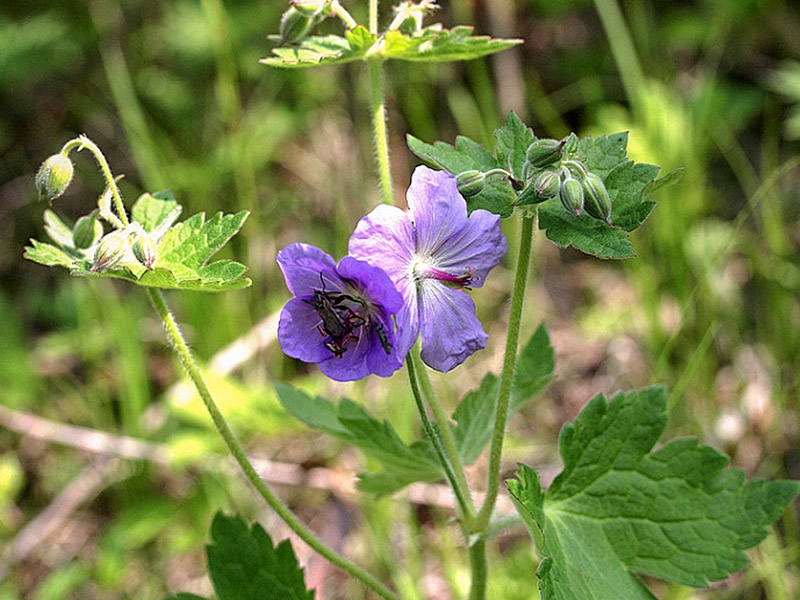
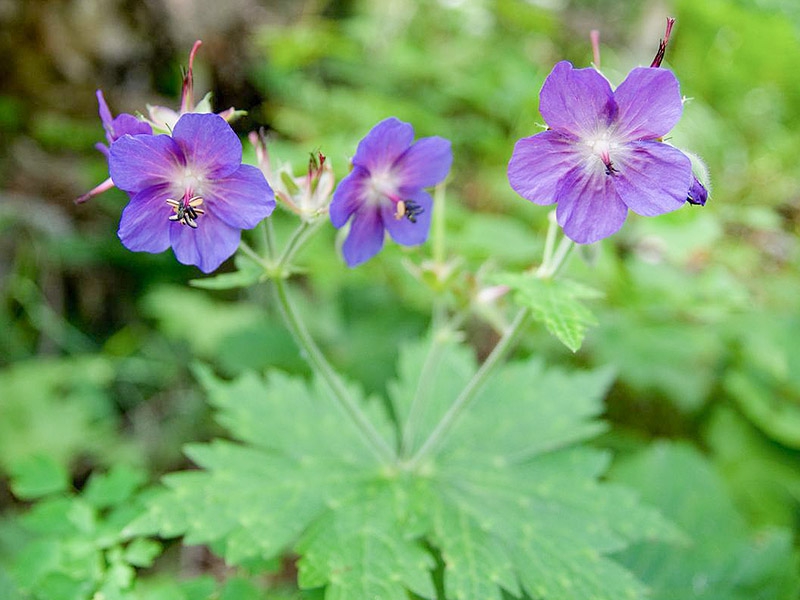
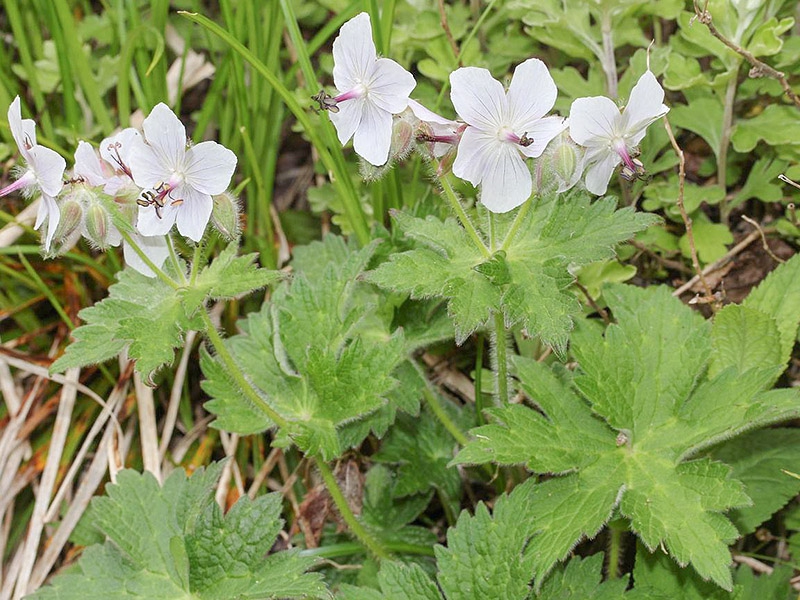
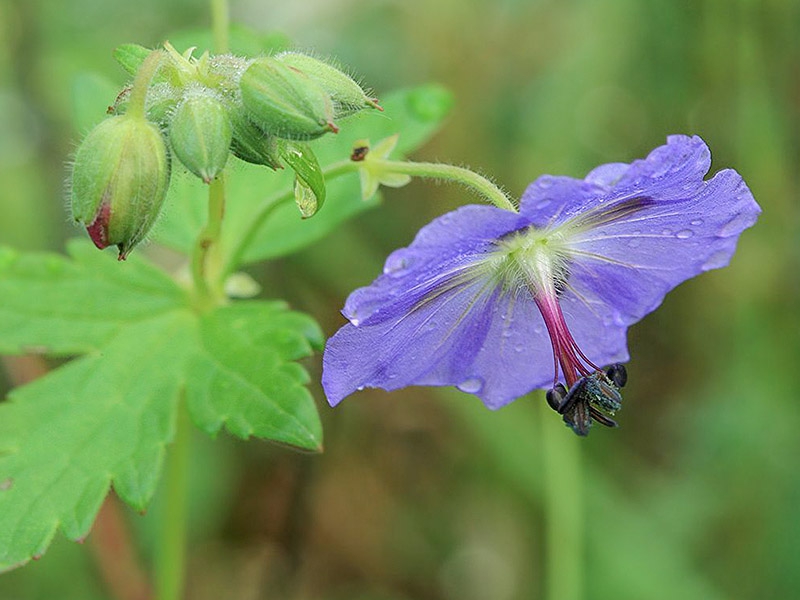
Geranium platyanthum is a perennial herbaceous plant that primarily grows at the edges of forests or in meadows in mountainous areas. The following describes the growth characteristics, propagation methods, cultivation methods, garden uses, major pests and diseases, and control methods of Geranium platyanthum. Growth Characteristics - Environment: It thrives in relatively humid environments and can tolerate a variety of conditions ranging from partial shade to full sun. - Soil: It grows best in well-drained, high-quality soil. - Size: It grows to a height of approximately 30–60 cm, and its leaves are palm-shaped and spread out like tree branches. - Flowering Season: It blooms with flowers of various colors ranging from purple to red, mainly between May and July. Propagation Methods - Seed Propagation: Collect mature seeds in the autumn and sow them in the spring. To increase germination rates, sow the seeds after allowing them to experience a cold winter for a certain period in an ice box or refrigerator. - Root Division: Propagation by dividing the roots is also an effective method. This is usually done in spring or autumn. Cultivation Methods- Planting: Plant in spring or autumn, with a spacing of about 30 cm between plants being appropriate. - Watering: Avoid overwatering, but provide sufficient water during the initial establishment period. - Fertilizer: It is recommended to apply a small amount of slow-release organic fertilizer in the spring. Uses in the Garden- Landscaping: Its natural appearance makes it well-suited for garden edges or grassy areas under large trees. - Flowerbeds: It can be used as an accent plant in small flowerbeds. - Containers: It can be planted and managed in pots and fits well in urban gardens. Important Pests and Diseases & Control Methods- Diseases: It is generally resistant to diseases, but fungal diseases or black spot on leaves may occur if humidity is high. - Control: Ensure good ventilation and drainage, and use an appropriate fungicide if necessary. - Pests: May be damaged by aphids or moths. - Control: Physically remove the plants if the damage is mild, or use an appropriate insecticide if the damage is severe. Geraniums are relatively easy to care for and are suitable plants for creating a natural garden landscape. When utilized appropriately according to the specific conditions and purpose of the garden, they can create a beautiful scenery.
Plant Family
Geraniaceae
Height
25~70cm
Colors
Pink, purple
Bloom Period
May to August
Water Needs
commonly
Exposure
Sunny
Freezing Resistance
-10°C
Round-leaved knotweed
Geranium koreanum
White knotweed
Geranium thunbergii
f.
pallidum