English
한국어
English
Español
中文
हिंदी
Home
News
Community
Dictionary
English
한국어
English
Español
中文
हिंदी
View list
Sagok-i-jil-pul
Geranium shikokianum
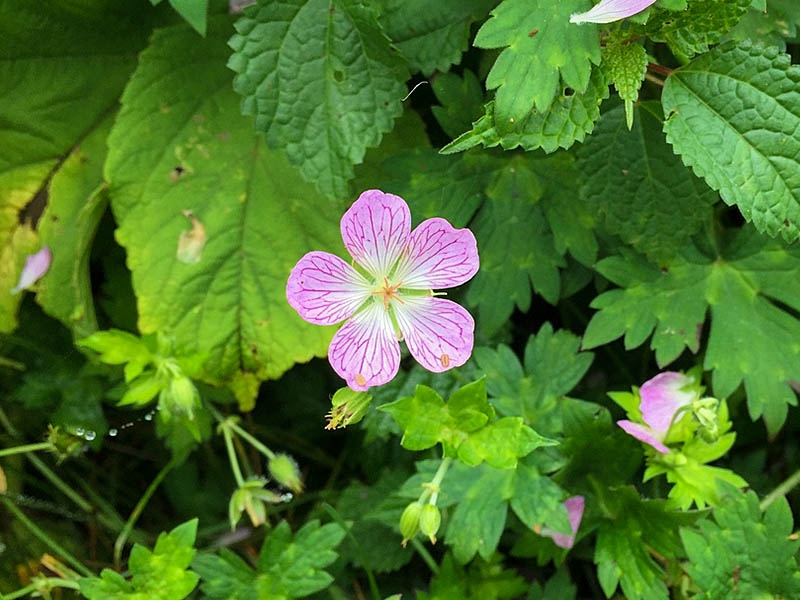
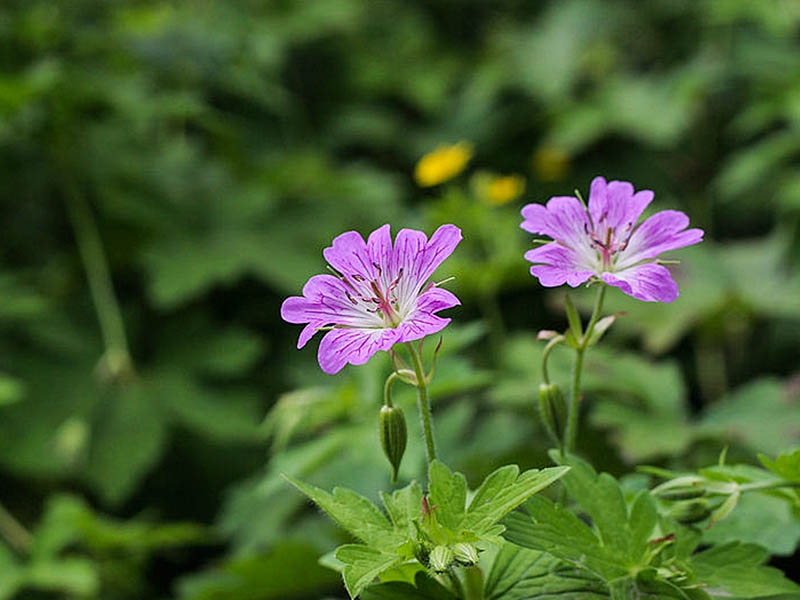
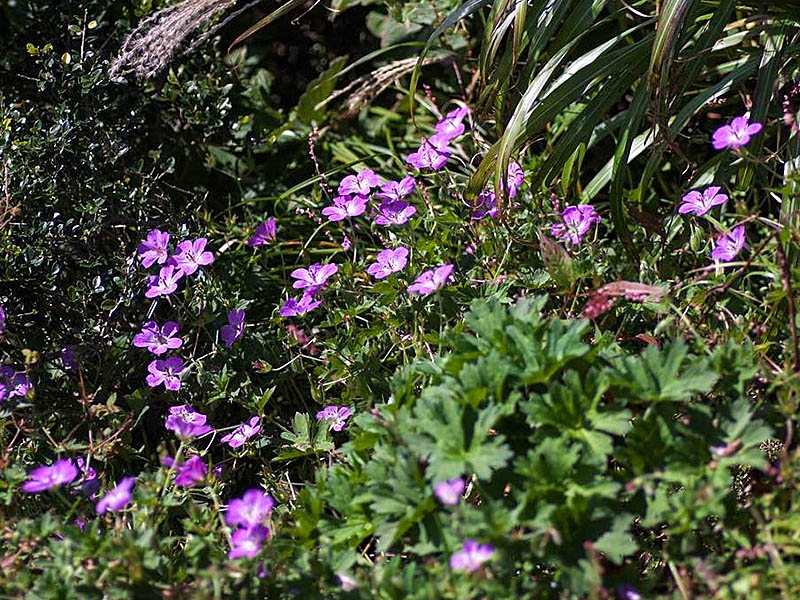
Growth Characteristics and Cultivation Methods of Geranium shikokianum Growth Characteristics Geranium shikokianum thrives in full sun and partial shade and prefers moist, well-drained soil. It grows to a height of approximately 30–50 cm and produces beautiful pink or purple flowers from summer to autumn. It is highly cold-hardy and tolerates winter relatively well. Propagation Methods Geranium shikokianum is primarily propagated by seeds or division. Seeds mature in the autumn, and it is best to sow them immediately. For division, roots can be separated and planted in spring or autumn. Cultivation Methods - Soil Preparation: Prepare soft, well-draining soil. Soil with a high organic matter content is even better. - Planting: For seeds, lightly sprinkle them on the surface and cover with a thin layer of soil. For division, select healthy roots and plant them in a new location. - Watering: Water sufficiently to prevent the soil from drying out, but be careful not to overwater. 4. Sunlight: Although it grows well in partial shade, it blooms better when planted in a sunny location. Garden Uses Siberian knotweed is suitable for borders or herbaceous flowerbeds, offering an exotic charm. It is also suitable for rock gardens or forest gardens. Important Pests and Control Methods - Diseases: Root rot may occur due to excessive moisture. Improve drainage and regulate watering. - Pests: It is generally resistant to pests, but aphids may occur. They can be controlled with soapy water or vegetable oil spray. Growing Siberian knotweed in the garden offers not only decorative appeal but also relatively easy maintenance thanks to its resistance to pests and diseases.
Plant Family
Geraniaceae
Height
30~50cm
Colors
amethyst
Bloom Period
July to September
Water Needs
commonly
Exposure
Sunny
Freezing Resistance
-10°C
Taebaek-ijilpul
Geranium taebaek
Mountain knotweed
Geranium nepalense