English
한국어
English
Español
中文
हिंदी
Home
News
Community
Dictionary
English
한국어
English
Español
中文
हिंदी
View list
hairy sedge
Geranium krameri
f.
adpressipilosum
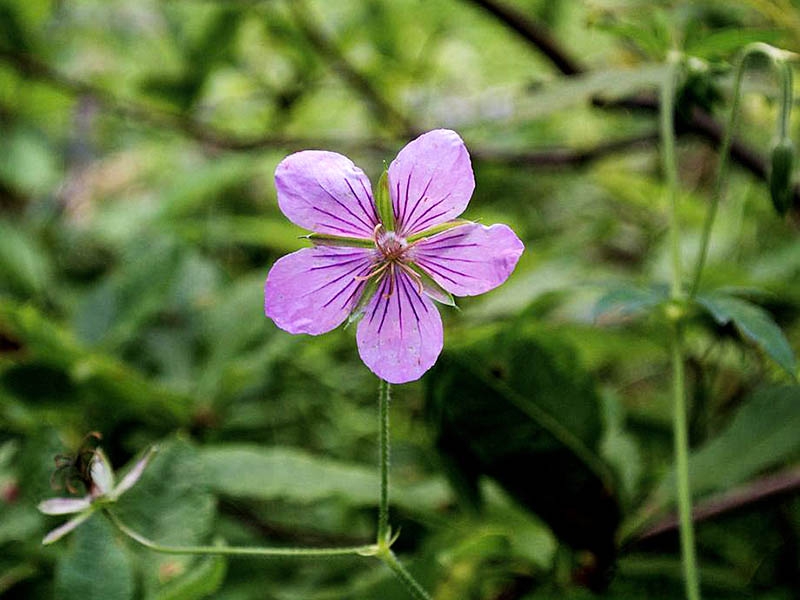
Geranium krameri adpressipilosum is a relatively rare plant, so information regarding its growth characteristics, propagation, and cultivation methods may be limited. However, based on the general characteristics of the Geranium genus, the following information can be provided. Growth Characteristics: Geranium krameri thrives in temperate climates and generally prefers environments with slightly moist, well-drained soil. While it generally grows healthiest in sunny locations, it can also grow in partial shade. Caution is required, as growth may be poor in high temperatures and dry environments during the summer. Propagation Methods: This plant is primarily propagated by seeds and root division. For seed propagation, it is common to sow seeds in the spring when outdoor temperatures warm up; light, well-drained soil is preferred. Root division is performed in the spring or autumn, where the roots of the original plant are separated to grow into independent plants. Cultivation Method: When cultivating Glandula hirsuta, continuously monitor soil drainage and supply water as needed to prevent the soil from drying out. Top dressing is recommended once in the spring, and it is advisable to avoid excessive fertilizer. Garden Uses: Glandula hirsuta can adapt to shady gardens, making it suitable for use in various environments. It is excellent for landscaping purposes, such as bordering flowerbeds or creating natural wildflower gardens. Additionally, it is valuable as an ornamental plant due to its beautiful flowers and unique leaf shape. Important Pests and Control Methods: Generally, plants in the Glandula genus are quite resistant to diseases; however, they can develop root rot if subjected to excessive moisture. To prevent this, it is important to cultivate them in well-drained soil. Pests such as aphids and snails may occur; to control them, natural predators or eco-friendly organic insecticides can be used. Since sudden pest and disease issues may arise depending on the region and environment, appropriate management tailored to the specific situation is required.
Plant Family
Geraniaceae
Height
60~80cm
Colors
pink
Bloom Period
July to September
Water Needs
commonly
Exposure
Sunny
Freezing Resistance
-10°C
Large-leaved Geranium Kunti
Geranium kunthii
hairy round-leaved knotweed
Geranium koreanum
f.
hirsutum