English
한국어
English
Español
中文
हिंदी
Home
News
Community
Dictionary
English
한국어
English
Español
中文
हिंदी
View list
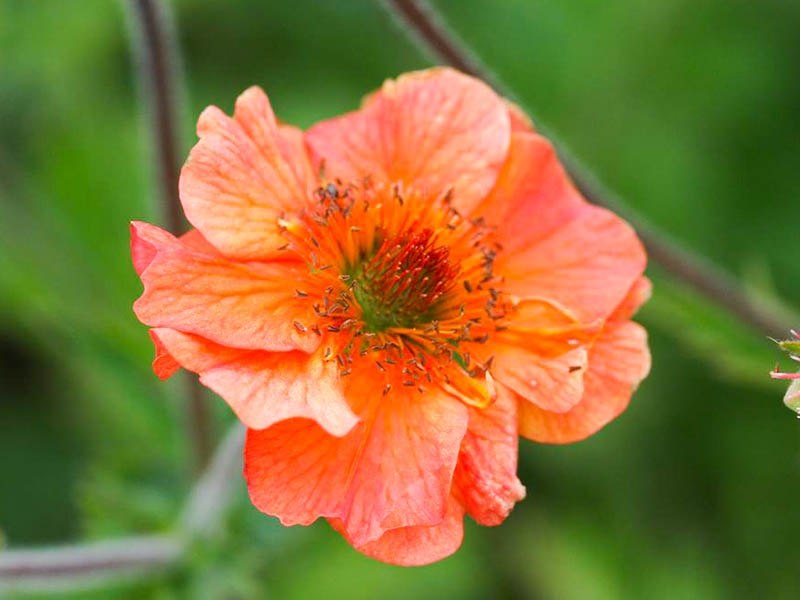
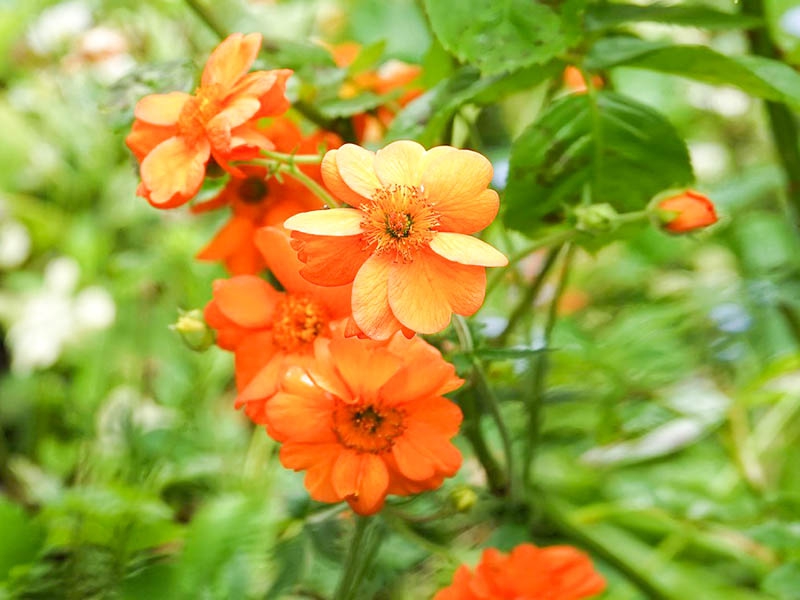
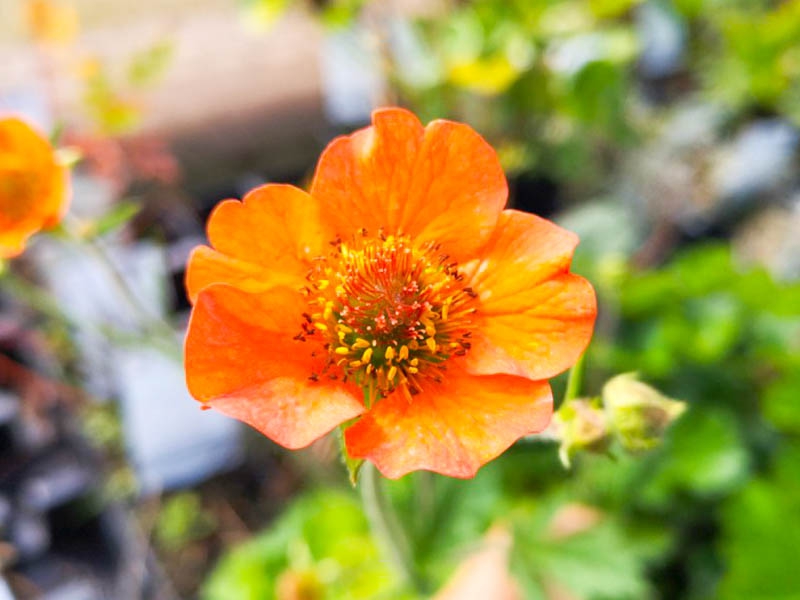
Snake Radish 'Totally Tangerine'
Geum aleppicum
'Totally Tangerine'
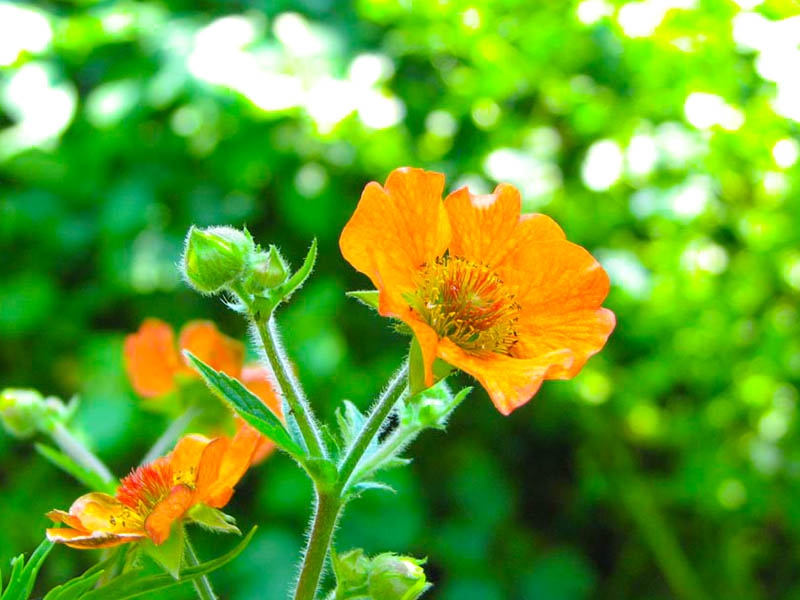
Growth Characteristics Geum aleppicum 'Totally Tangerine' is a perennial herbaceous plant belonging to the Rosaceae family. It primarily produces beautiful orange flowers and grows to a height of approximately 60–90 cm. This plant is highly cold-hardy and thrives in sunny locations. It also prefers well-drained soil. Propagation Methods Geum aleppicum can primarily be propagated by seeds or clumps. When propagating by seeds, it is best to plant them in spring or autumn. For division, carefully separate the roots and plant them in spring or autumn. Cultivation Methods - Sunlight: It is best to cultivate it in a sunny location. - Soil: It grows well in well-drained soil rich in organic matter. - Watering: Avoid overwatering and provide an appropriate amount of water as needed. - Fertilizer: During the growing season, it is recommended to apply a balanced fertilizer about once a month. Garden Use Totally Tangerine has high ornamental value due to its showy orange flowers. It can be planted at the front of flower beds or arranged alongside other perennials to create a beautiful landscape. It can also be cut and used for flower arrangements. Important Pests and Control Methods - Diseases: Leaf blight or rust caused by fungi may occur. To prevent this, it is recommended to create a well-ventilated environment and use an appropriate fungicide if disease occurs. - Pests: Aphids or snails can cause problems. Regular observation and the use of insecticides when necessary are recommended to eliminate them. Totally Tangerine is a relatively easy plant to care for, but it is important to grow it healthily by providing a suitable environment.
Plant Family
Rosaceae
Height
30~90cm
Spread
25~60cm
Colors
orange
Bloom Period
May to August
Water Needs
commonly
Exposure
Sunny
Freezing Resistance
-10°C
Snake Moo 'Wet Kiss'
Geum aleppicum
'Wet Kiss'
Snake Moo 'Princess Juliana'
Geum aleppicum
'Prinses Juliana'