English
한국어
English
Español
中文
हिंदी
Home
News
Community
Dictionary
English
한국어
English
Español
中文
हिंदी
View list
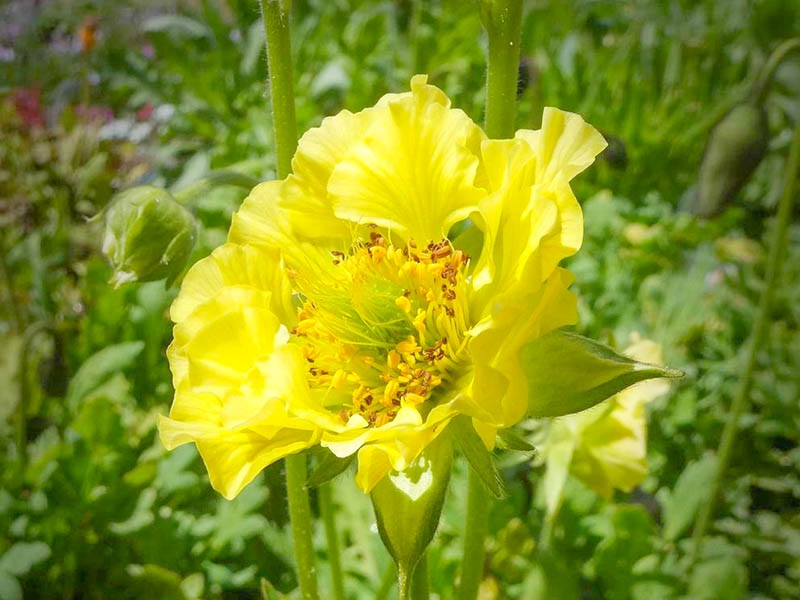
Snake radish 'Gimlet'
Geum aleppicum
'Gimlet'
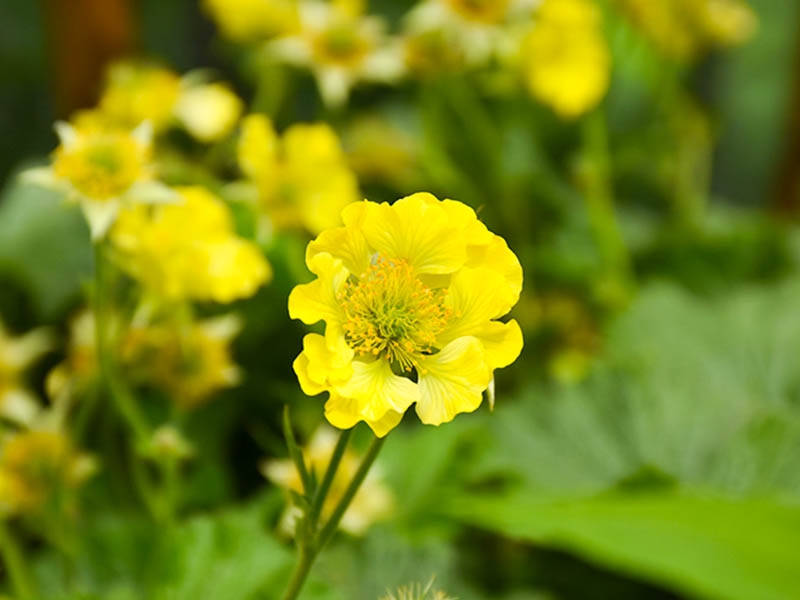
Growth Characteristics, Propagation Methods, Cultivation Methods, Garden Uses, Major Pests and Diseases, and Control Methods of Gimlet (Geum aleppicum 'Gimlet') - Growth Characteristics: Gimlet is a perennial herbaceous plant that primarily produces yellow flowers and grows to a height of approximately 30–60 cm. It prefers full sun or partial shade and thrives in well-drained soil. It requires moderate moisture, and growth may be inhibited in overly dry environments. - Propagation Methods: It is mainly propagated by seeds and root division. Seeds are sown in the spring, while autumn or early spring is the optimal time for root division. When dividing roots, select healthy roots and divide them into small pieces for planting. - Cultivation Methods: Plant in well-drained soil and space them appropriately. Regular watering, weed removal, or additional fertilizer are necessary. During the hot summer months, ensure sufficient watering to maintain growth. - Use in the Garden: With its yellow flowers and attractive leaf shape, the Gimlet is ideal for planting along garden edges or in the center of flower beds. It is also suitable for creating wildflower gardens or natural landscapes. - Major Pests and Diseases and Control Methods: Major pests and diseases include fungal diseases and aphids. To prevent fungal diseases, ensure a well-ventilated environment and avoid excessive moisture. Aphids can be controlled using soapy water or specialized insecticides. Additionally, regular observation and care are essential for prompt response upon early detection. Please refer to the characteristics and care methods above to effectively manage the Gimlet in your garden.
Plant Family
Rosaceae
Height
30~60cm
Spread
30~60cm
Colors
yellow
Bloom Period
May~June
Water Needs
commonly
Exposure
Sunny
Freezing Resistance
-15°C
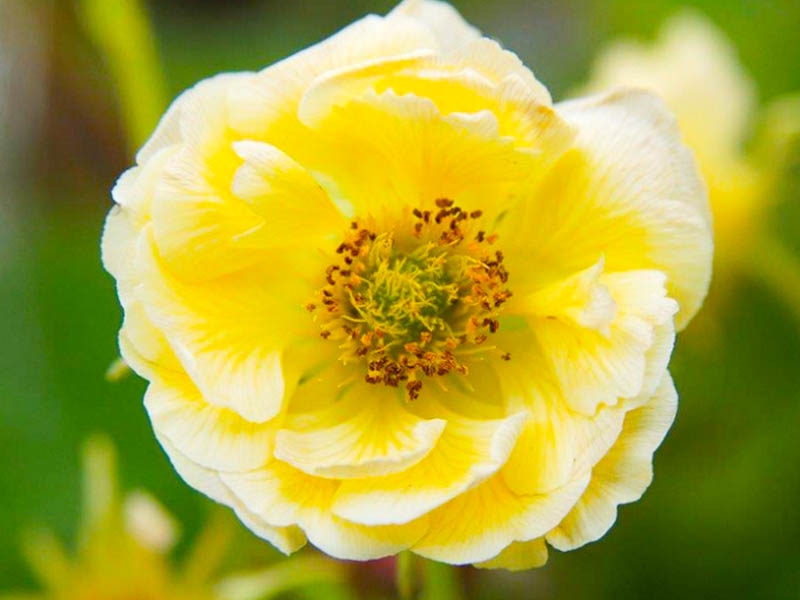
Snake radish 'Mai Tai'
Geum aleppicum
'Mai Tai'
Snake Moo 'Flore Plena Sunrise'
Geum aleppicum
'Flore Plena Sunrise'