English
한국어
English
Español
中文
हिंदी
Home
News
Community
Dictionary
English
한국어
English
Español
中文
हिंदी
View list
Gibbaium philosulum
Gibbaeum pilosulum
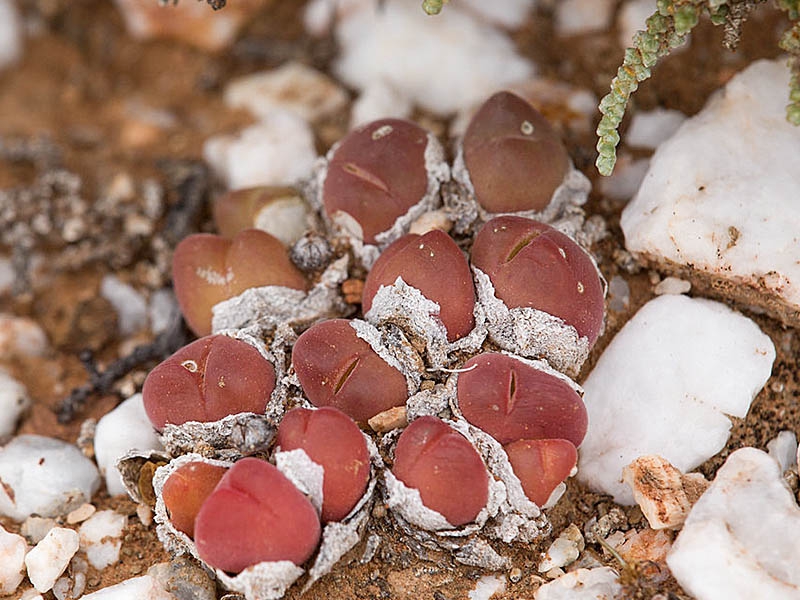
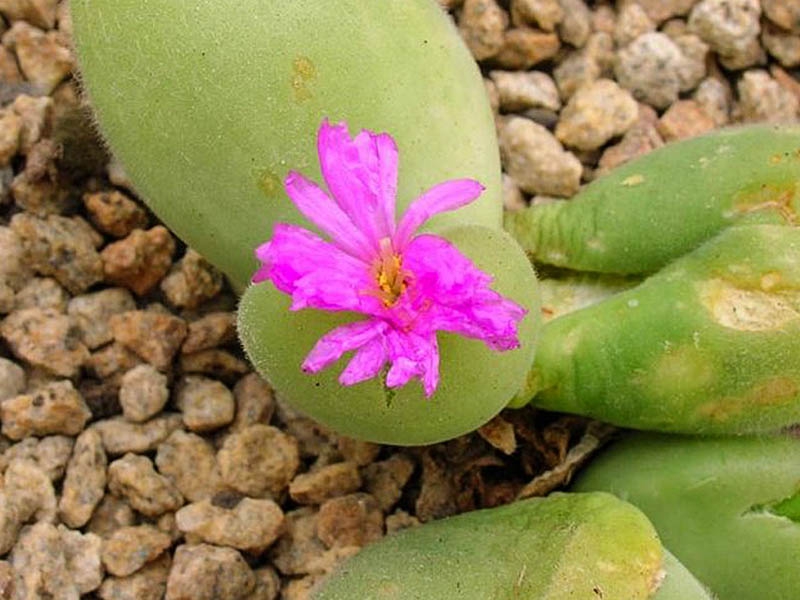
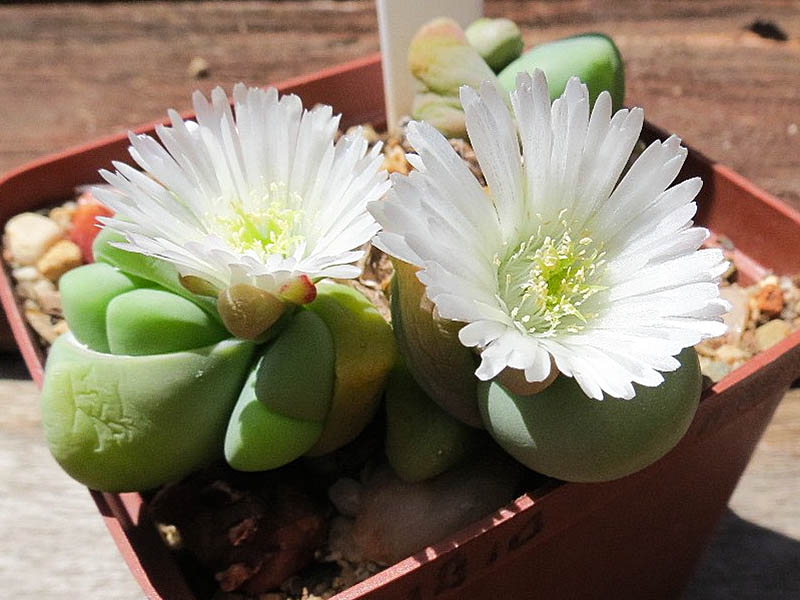
Growth Characteristics of Gibbaeum pilosulum Gibbaeum pilosulum is a succulent native to the arid regions of South Africa, primarily growing as a small bush. It is characterized by its thick, fleshy, grayish leaves. It generally grows slowly, with mature individuals reaching a height of approximately 5 to 10 cm. Propagation Methods Gibbaeum pilosulum can be propagated primarily by seeds and cuttings. Propagation by seeds takes place in spring or autumn; the seeds are sown on the surface of the soil and covered with a thin layer. For cuttings, healthy stems or leaves are cut, dried, and then planted in suitable soil to encourage rooting. Cultivation Methods This plant requires well-draining soil, and it is recommended to use general succulent potting mix. It should be grown in a sunny location, but care should be taken to avoid direct sunlight during midsummer. It is best to water only after the soil has completely dried out; caution is required as overwatering can cause root rot. Uses in the Garden Gibbaium phyllosulum is popular as an ornamental plant due to its unique leaf shape. It is well-suited for small rock gardens or succulent gardens, and can also be planted in pots for indoor decoration. Important Pests and Diseases & Control Methods While this plant is generally resistant to pests and diseases, root rot can occur in overly wet environments, and pests such as mealworms may appear. To prevent root rot, it is important to water appropriately and use well-draining soil. Mealworms can be physically removed or treated with insecticides, and keeping the area around the plant clean is recommended for prevention.
Plant Family
Pomegranate family
Height
3cm
Spread
1~2cm
Colors
amethyst
Bloom Period
July~August
Water Needs
Bad
Exposure
Sunny
Freezing Resistance
-5°C
Gibbaeum puvescens
Gibbaeum pubescens
Gibbaium Petrense
Gibbaeum petrense