English
한국어
English
Español
中文
हिंदी
Home
News
Community
Dictionary
English
한국어
English
Español
中文
हिंदी
View list
Gibbaium pachypodium
Gibbaeum pachypodium
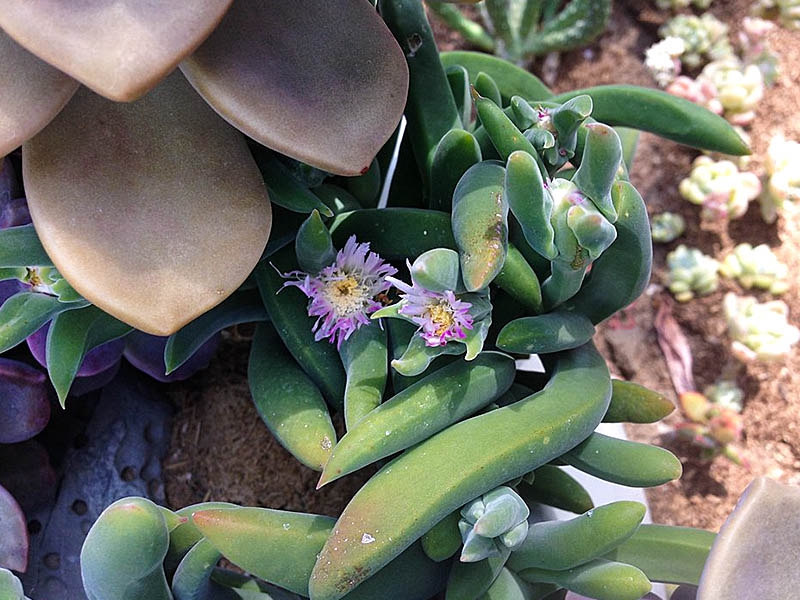
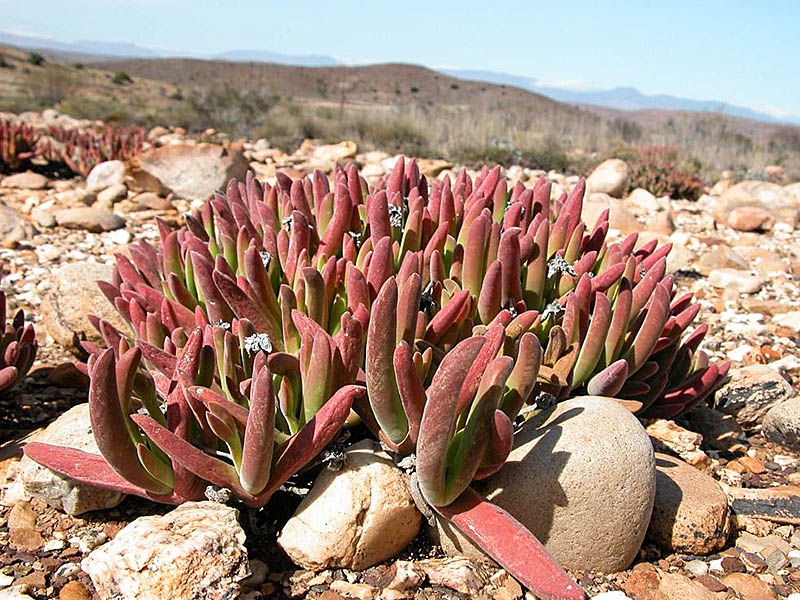
Gibbaeum pachypodium is a succulent native to the dry, rocky regions of South Africa. This plant is characterized by its thick leaves and low stature, and it thrives primarily in environments with strict growing conditions. Below are the growth characteristics, propagation methods, cultivation methods, garden uses, and important pests and diseases and control methods for Gibbaeum pachypodium. Growth Characteristics - Sunlight: Gibbaeum pachypodium prefers bright sunlight. Therefore, indoors, it is best to place it near a window that receives ample sunlight. - Watering: This plant is sensitive to overwatering, so it is important to water only after the soil has completely dried out. - Temperature: It prefers cool night temperatures but grows well in warm temperatures during the day. During winter, maintain conditions that are cool but not freezing. - Soil: Well-draining sandy or gravel mixtures are ideal. Propagation Methods - Seed Propagation: Propagation using seeds is common. Sow seeds in the spring and germinate them under dim sunlight. - Cuttings: Similar to some succulents, it can be propagated by cuttings. Cut off a leaf, let it dry for several days to allow the cut surface to heal, and then plant it. Cultivation Methods - Soil Preparation: Use well-draining soil specifically designed for succulents. - Location Selection: Place in a sunny spot, but avoid very strong direct sunlight. - Care: Water regularly while being careful not to overwater; succulent-specific fertilizers can be used during the growing season. Uses in the Garden - Due to its small size and unique shape, Gibbaium pachypodium is excellent for indoor decoration when planted in pots. - It is also useful for decorating rock gardens or dry areas. Important Pests and Control Methods - Pests and Diseases: Generally, Gibbaium pachypodium is resistant to pests and diseases. However, root rot may occur if the soil is overwatered. - Control Methods: Avoid overwatering and provide a well-ventilated environment. If problems arise, adjust watering and use a dedicated fungicide if necessary. Based on this information, we hope you grow healthy Gibbaium pachypodium and cultivate a beautiful garden.
Plant Family
Pomegranate family
Height
20~40cm
Colors
amethyst
Bloom Period
July~August
Water Needs
Bad
Exposure
Sunny
Freezing Resistance
-5°C
Gibbaium Petrense
Gibbaeum petrense
Gibbaium Haagei
Gibbaeum haagei