English
한국어
English
Español
中文
हिंदी
Home
News
Community
Dictionary
English
한국어
English
Español
中文
हिंदी
View list
Gilia Capitata
Gilia capitata
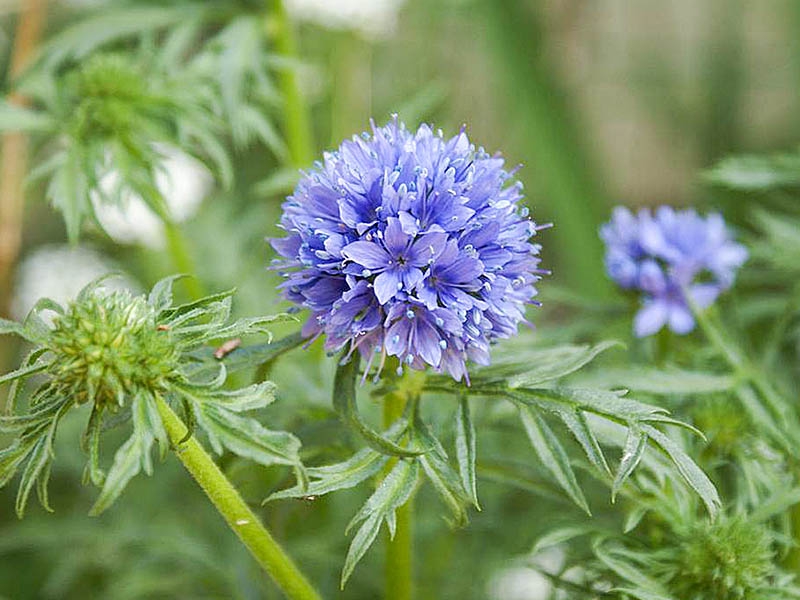
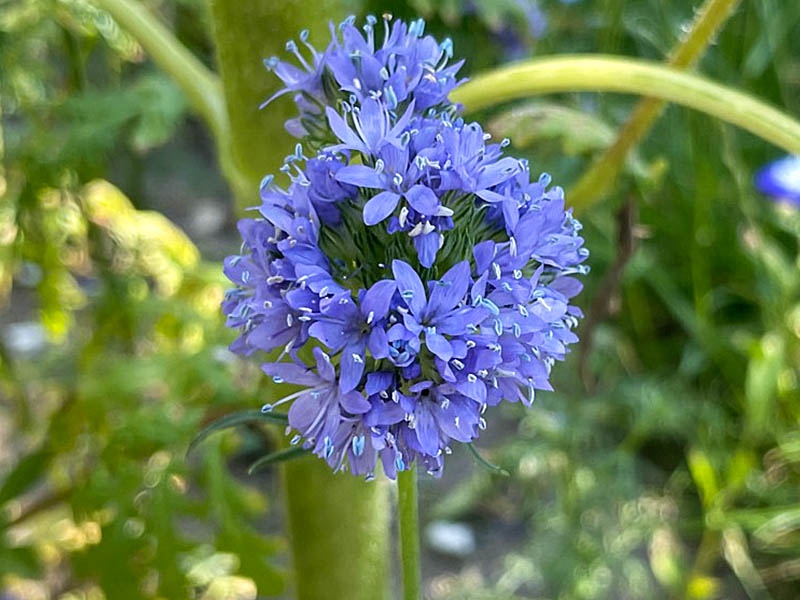
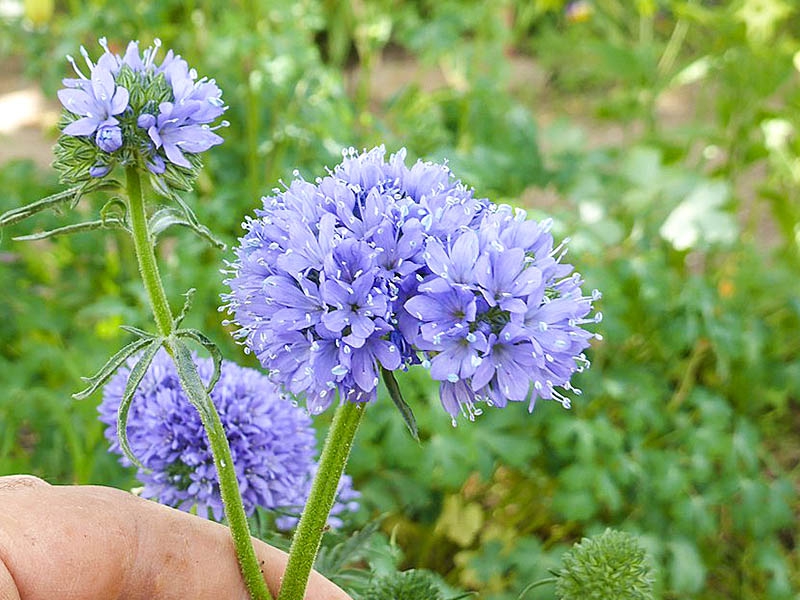
Gilia capitata is a perennial herbaceous plant native to North America. This plant is particularly popular as an ornamental garden plant due to its beautiful flowers. Growth Characteristics - Growing Environment: Gilia capitata prefers sunny locations. It thrives in well-drained soil mixed with sand or gravel. - Size: When mature, it reaches a height of approximately 30–90 cm and a width of about 20–30 cm. - Flowers: It blooms with blue to purple feather-shaped flowers in the summer, providing a contrasting landscape against other plants. Propagation Methods - Seed Propagation: It is primarily propagated by seeds. Seeds can be sown directly in the open ground in the spring, or sown in trays to germinate indoors before transplanting. Cultivation Methods - Sowing Time: It can be planted in the spring after the first frost or sown in late summer. - Soil Management: It prefers neutral to slightly acidic soil and should be managed to ensure good drainage. - Water Management: It tolerates dry conditions better, so overwatering should be avoided. It is recommended to water only during the initial establishment period and during very dry periods. Uses in the Garden - Gilia capitata is suitable for flower beds, rock gardens, and natural cultivation. It is particularly well-suited for creating ecological gardens as it produces dense blooms that attract butterflies and bees. Important Pests and Control Methods - Pests and Diseases: Although it is a relatively hardy plant, it can develop root rot if overwatered. Additionally, pests such as aphids and spider mites may occur. - Control Methods: It is important to avoid overwatering through natural ventilation and maintain proper drainage. In the event of a pest infestation, appropriate eco-friendly insecticides can be used, or other biological control methods can be employed. In particular, managing resistance through preventive measures is crucial, and it is advisable to detect and address problems early through regular observation.
Plant Family
Polemoniaceae
Height
15~60cm
Colors
blue
Bloom Period
May to July
Water Needs
commonly
Exposure
Sunny
Freezing Resistance
-10°C
Gibbaium album
Gibbaeum album
Gilia Tricolore
Gilia tricolor