English
한국어
English
Español
中文
हिंदी
Home
News
Community
Dictionary
English
한국어
English
Español
中文
हिंदी
View list
Gladiolus 'Little Darling'
Gladiolus primulinus
'Little Darling'
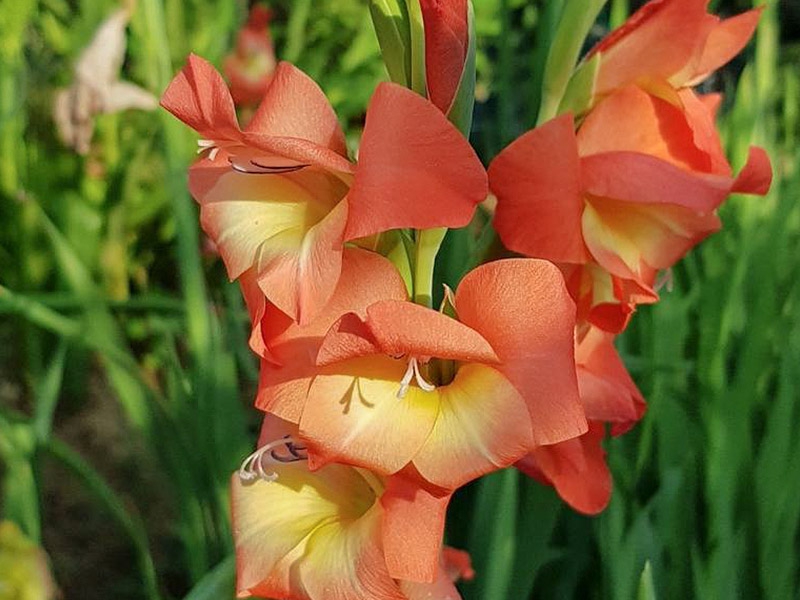
Growth Characteristics The gladiolus 'Little Darling' primarily blooms in the summer and is characterized by its colorful flowers. This plant prefers sunlight and thrives in well-drained soil. It grows to a height of approximately 60–90 cm and prefers a warm, humid environment. Propagation Methods It can be propagated by seeds and bulbs. Bulb propagation is common; it grows quickly and is relatively easy to care for. Bulbs are planted in the spring and harvested and stored in the autumn. Seed propagation takes a long time, so it is preferred by professional growers. Cultivation Methods - Planting: Plant during the spring when there is no frost. Plant bulbs about 10 cm deep and maintain a spacing of about 15 cm between them. - Sunlight: Plant in a sunny location. - Watering: Water regularly, but be careful not to let the roots become submerged. - Fertilization: Use general ornamental fertilizer and apply it every two months during the growing season. - Soil: Well-drained soil is suitable. Uses in the Garden'Little Darling' brings life to gardens and flowerbeds with its flowers in various colors. It is also highly popular for flower arrangements and is excellent for adding a unique accent, especially to summer gardens. Important Pests and Diseases & Control Methods - Diseases: It is susceptible to fungal diseases such as root rot. To prevent this, maintain well-drained soil and avoid excessive moisture. - Pests: Aphids, snails, and moths may occur. Inspect the plant regularly and control them using appropriate insecticides if necessary. Regular observation and care can prevent pests and diseases in advance and maintain healthy growth.
Plant Family
Iris family
Height
90~120cm
Spread
7~10cm
Colors
orange
Bloom Period
June
Water Needs
commonly
Exposure
Sunny
Freezing Resistance
-5°C
Gladiolus 'Milka'
Gladiolus italicus
'Milka'
Gladiolus 'Lemon Drop'
Gladiolus italicus
'Lemon Drop'