English
한국어
English
Español
中文
हिंदी
Home
News
Community
Dictionary
English
한국어
English
Español
中文
हिंदी
View list
Gladiolus 'Cantate'
Gladiolus italicus
'Cantate'
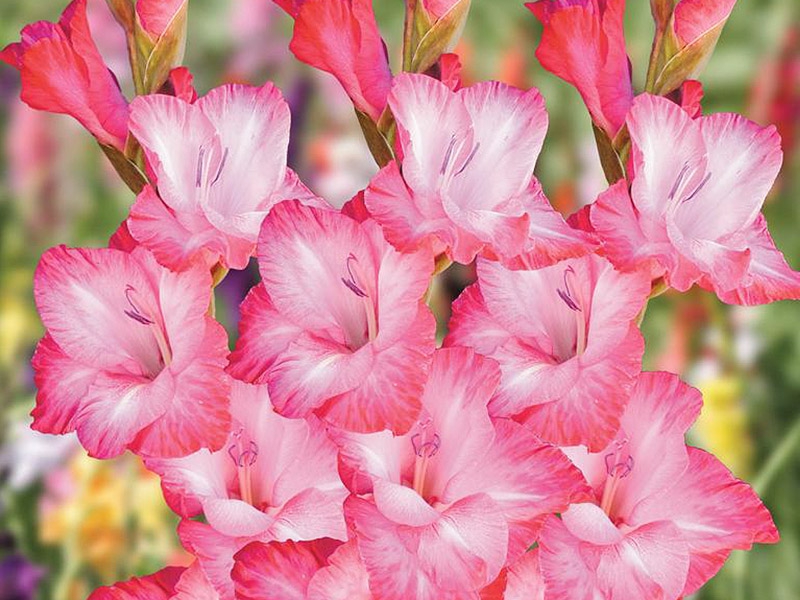
Gladiolus 'Cantate' is a popular garden plant known for its beautiful colors and long, straight stems. The following is information regarding this plant's growth characteristics, propagation and cultivation methods, garden uses, and major pests and diseases and control methods. Growth Characteristics - Height: Typically grows to 60–100 cm. - Flower Color: Flowers mainly bloom in shades of pink or purple. - Flowering Season: Flowers bloom primarily during the summer, with peak activity from late spring to early summer. - Growing Environment: Prefers sunny locations and well-drained soil. Propagation Methods - Bulbs: Primarily propagated via bulbs. Plant in the spring or store bulbs harvested in the autumn to replant in the spring. - Seeds: Propagation by seeds is also possible, but it takes longer; bulb propagation is more common. Cultivation Methods - Soil: Well-drained soil rich in organic matter is suitable. - Watering: Avoid overwatering; water when the soil is dry. - Fertilizer: During the growing season, it is recommended to use fertilizers rich in phosphorus and potassium. Uses in the Garden - Landscaping: Its tall form and showy flowers make it excellent for landscaping. - Background Plant: Its height makes it ideal for use as a backdrop for other plants. Important Pests and Control Methods - Diseases: To avoid bulb rot, you can rotate the plants or use fungicides. - Pests: Carnivorous insects or aphids may occur; you can spray pesticides or attempt organic control. - Precautions: Be careful, as overwatering can cause various diseases. Based on this information, you will be able to effectively manage and beautifully grow Gladiolus 'Cantate'.
Plant Family
Iris family
Height
120~150cm
Spread
10~12cm
Colors
white, pink
Bloom Period
June to August
Water Needs
commonly
Exposure
Sunny
Freezing Resistance
-5°C
Gladiolus 'Charisma'
Gladiolus italicus
'Charisma'
Gladiolus 'Black Surprise'
Gladiolus italicus
'Black Surprise'