English
한국어
English
Español
中文
हिंदी
Home
News
Community
Dictionary
English
한국어
English
Español
中文
हिंदी
View list
Gladiolus 'Condor Pasa'
Gladiolus italicus
'Condor Pasa'
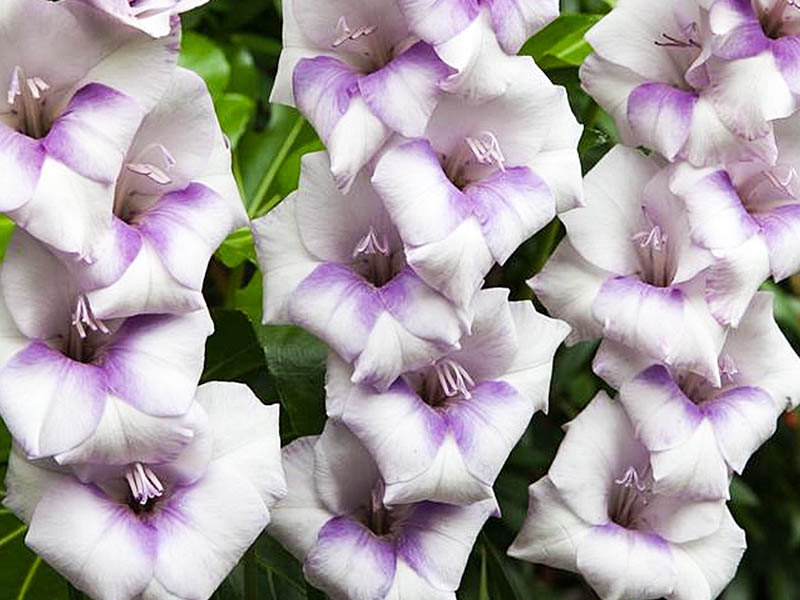
The Gladiolus 'Condor Passa' is a popular garden variety known for its luxurious flower shape and color. The following outlines the variety's growth characteristics, propagation methods, cultivation techniques, garden uses, and major pests and diseases, as well as control methods. Growth Characteristics - Flowers: Produces large flowers with a purple or violet hue. - Leaves: Long, sword-shaped leaves. - Height: Typically grows to 60–100 cm. - Growing Environment: Thrives in sunny locations with well-drained soil. Propagation Methods - Bulbs: Primarily propagated via bulbs; planted in the autumn, they sprout the following spring and bloom in the summer. Cultivation Methods - Planting: Plant bulbs 10 cm deep, spacing them 10–15 cm apart. - Watering: Maintain well-drained soil, but water regularly to prevent the soil from drying out. - Fertilizer: Applying fertilizer rich in potassium and phosphorus before flowering promotes healthy growth. Uses in the Garden - Ornamental: The flowers are showy, making it suitable as a centerpiece for flower beds. - Cut Flowers: As a long-lasting cut flower, it is also used for flower arrangements. Important Pests and Control Methods - Diseases: Powdery mildew and gray mold may occur. - Control Methods: Reduce disease occurrence through proper ventilation and drainage, and use pesticides if necessary. - Pests: Nymphs and aphids may appear. - Control Methods: Observe the leaves frequently; if pests are detected early, physically remove them or use natural pesticides. By utilizing these characteristics and methods, you can enjoy the beautiful flowers of the 'Condor Passa' variety in your garden.
Plant Family
Iris family
Height
60~70cm
Spread
10~20cm
Colors
white, purple
Bloom Period
July to September
Water Needs
commonly
Exposure
Sunny
Freezing Resistance
-5°C
Gladiolus 'Curl Royal'
Gladiolus italicus
'Kir Royal'
Gladiolus 'Candy Bar'
Gladiolus italicus
'Candy Bar'