English
한국어
English
Español
中文
हिंदी
Home
News
Community
Dictionary
English
한국어
English
Español
中文
हिंदी
View list
Verbena vipinnatipida
Glandularia bipinnatifida
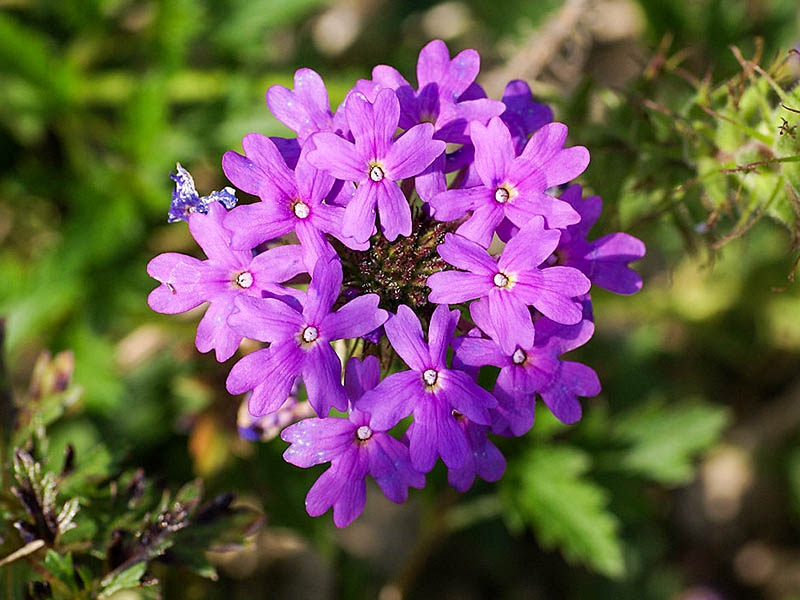
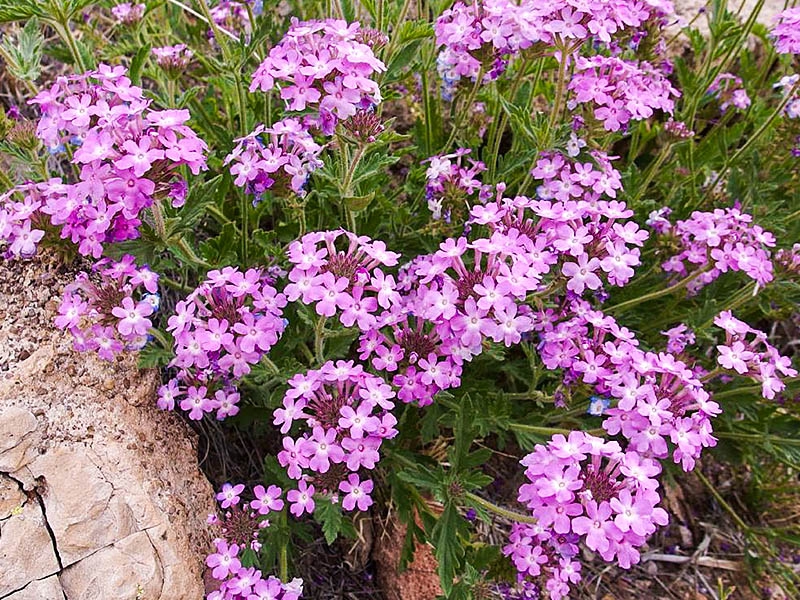
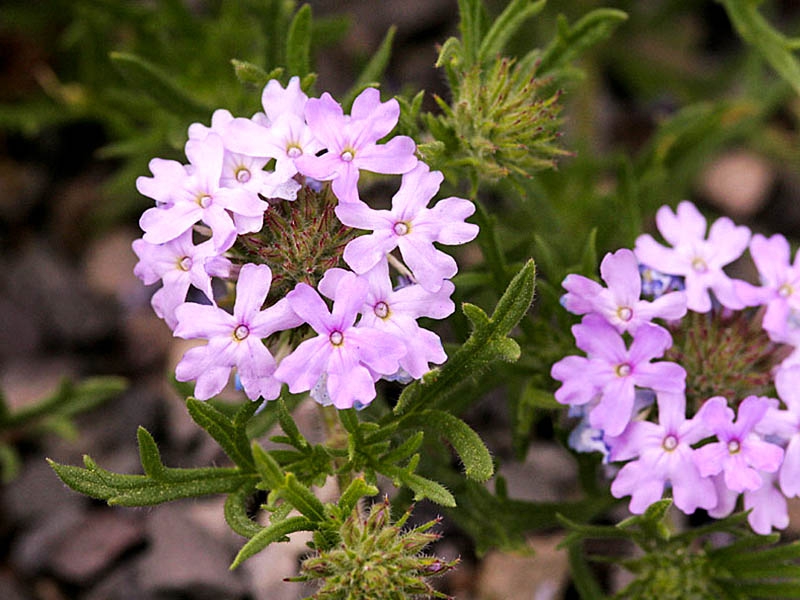
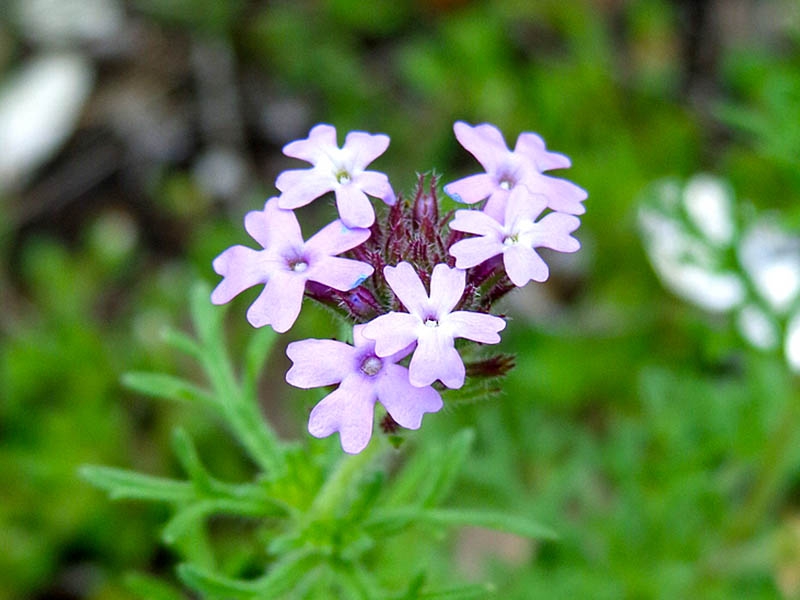
Glandularia bipinnatifida is a perennial herbaceous plant native primarily to North America. The following is information regarding this plant's growth characteristics, propagation methods, cultivation techniques, garden uses, major pests and diseases, and their control methods. Growth Characteristics - Growth Habit: It grows in a ground-covering manner and can reach a height of approximately 15 to 30 cm. - Leaves: The leaves are deeply lobed and pinnate, and are green in color. - Flowers: Small pink, purple, or lavender flowers bloom from late spring to summer. - Growing Environment: It prefers full sun to partial shade and thrives best in well-drained soil. It is drought-tolerant, but the roots should be protected from excessive moisture. Propagation Methods - Seed Propagation: Seeds can be sown directly in the fall or spring. The seeds may be lightly covered with soil or left exposed. - Cuttings: In spring or early autumn, select a healthy stem, cut it to a length of about 10 cm, and plant it in moist soil to allow it to take root. Cultivation Method - Soil Preparation: Well-draining sandy soil is ideal. A neutral to slightly acidic soil pH is best. - Planting: It is best to plant in early spring, maintaining a distance of about 30 cm between plants. - Watering: Water thoroughly initially, but once the roots are established, it becomes drought-tolerant, so additional watering is only necessary during droughts. - Fertilizer: It grows well even without frequent fertilization, but adding a small amount of slow-release fertilizer in the spring is beneficial. Uses in the Garden - Landscaping: As a ground cover plant, it is suitable for filling large spaces. - Ground Cover: It can be used to prevent weeds and soil erosion. - Flowerbed Edges: Its beautiful harmony with other flowers makes it suitable for decorating the edges of flowerbeds. Important Pests and Diseases and Control Methods - Pests and Diseases: Generally resistant to pests and diseases, but root rot may occur if the soil is excessively wet. - Control Methods: - Prevention of Root Rot: Prevent this by preparing well-drained soil and adjusting watering schedules regularly. - Pest Management: Remove weak pests by hand or use organic insecticides if necessary. Use this information to properly care for your Verbena vipinnatifida!
Plant Family
Verbenus
Height
15~30cm
Spread
30~90cm
Colors
purple, magenta, pink
Bloom Period
March to June
Water Needs
commonly
Exposure
Sunny
Freezing Resistance
-10°C
Verbena canadensis
Glandularia canadensis
Glaucidium palmatum
Glaucidium palmatum