English
한국어
English
Español
中文
हिंदी
Home
News
Community
Dictionary
English
한국어
English
Español
中文
हिंदी
View list
Glauchium grandiflorum
Glaucium grandiflorum
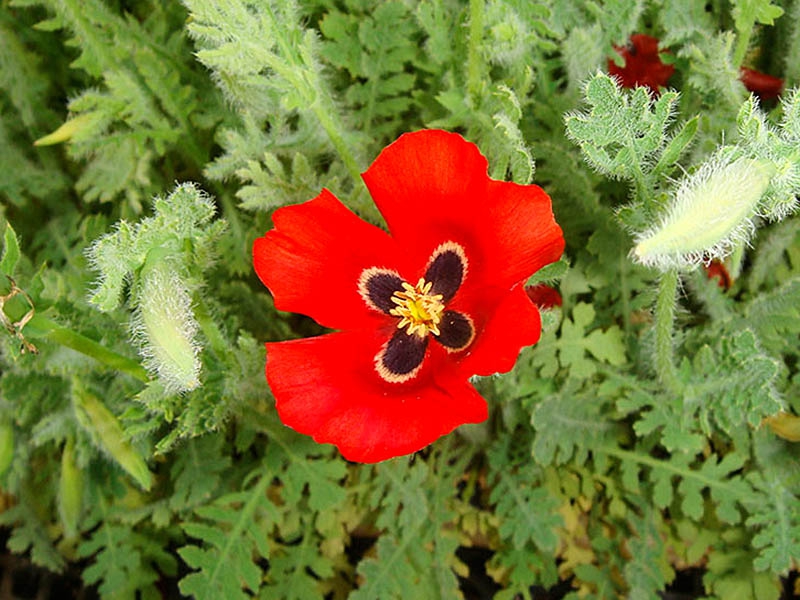
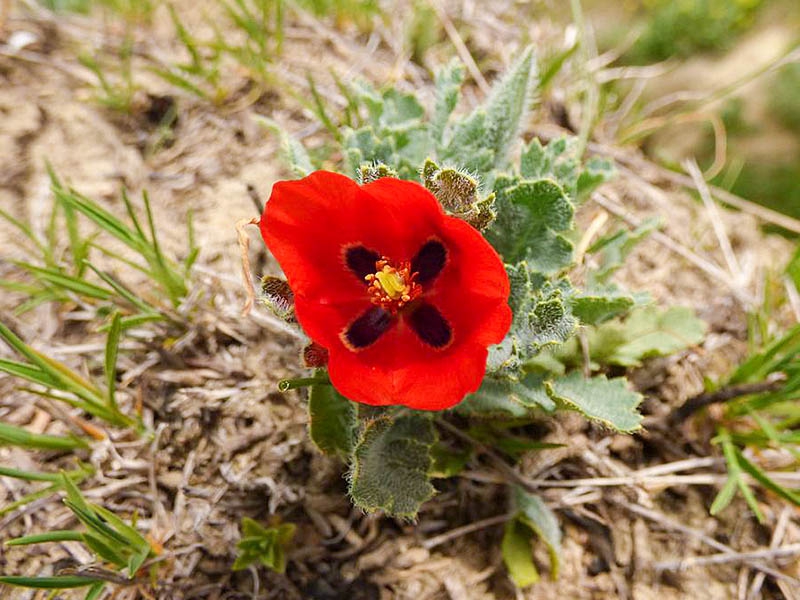
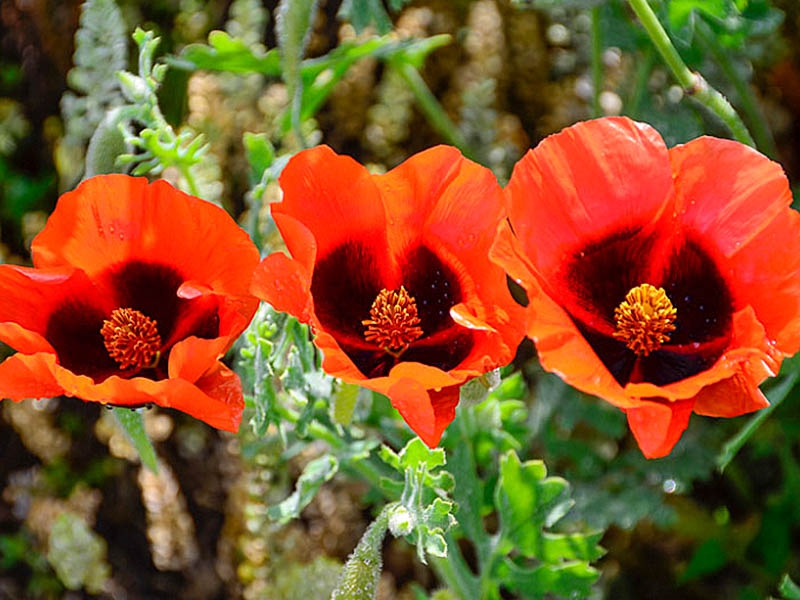
Glaucium grandiflorum is a perennial herbaceous plant belonging to the poppy family, and it generally thrives in dry, sunny environments. The following describes the growth characteristics, propagation methods, cultivation techniques, garden uses, and major pests and diseases, as well as control methods for Glaucium grandiflorum. Growth Characteristics - Sunlight: This plant prefers strong sunlight and grows well in environments requiring at least 6 hours of sunlight per day. - Soil: It prefers well-drained sandy soil. A pH range of slightly acidic to neutral (6.0–7.5) is suitable. - Watering: It adapts well to dry environments, so it is best to avoid overwatering. Water should be given based on the plant's condition, and maintaining adequate moisture is particularly important during the growing season. Propagation Methods - Seed Propagation: This is the most common method, where seeds are sown directly in the spring. After germination, the seedlings should be thinned out at regular intervals. - Division: Mature plants can be propagated by dividing them into several parts, but this is a relatively less common method. Cultivation Methods - Preparation: Select a sunny location with good drainage. Mix sand or small gravel into the soil to improve drainage. - Sowing: Sow seeds in the spring and lightly cover them with soil. - Care: Water at least every two weeks and avoid overwatering. - Fertilization: Apply a moderate amount of low-concentration fertilizer only when necessary, for example, during the early growing season or around flowering. Uses in the Garden - Landscape Creation: Primarily used to accentuate flowerbed boundaries and blends harmoniously with other plants suited for dry environments. - Container Cultivation: In small gardens or on terraces, it can be planted in containers for easy relocation. Major Pests and Control Methods - Pests and Diseases: Generally resistant to pests and diseases, but aphids or leaf mold may occur rarely. - Control Methods: - Aphids: Wash the plant's leaves with water, or consider using non-vegetable soap if necessary. - Leaf Mold: Immediately remove diseased leaves and tidy up the area around the plant to ensure good ventilation. When using herbicides, use dedicated products and carefully follow the instructions on the label. Proper care of Glauchium grandiflorum is a great help in creating a beautiful and efficient garden.
Plant Family
poppy family
Height
60~90cm
Spread
60~90cm
Colors
orange
Bloom Period
June to August
Water Needs
commonly
Exposure
Sunny
Freezing Resistance
-10°C
Glaucidium palmatum
Glaucidium palmatum
Glauchium corniculatum
Glaucium corniculatum