English
한국어
English
Español
中文
हिंदी
Home
News
Community
Dictionary
English
한국어
English
Español
中文
हिंदी
View list
Long-stemmed bellflower
Glechoma longituba
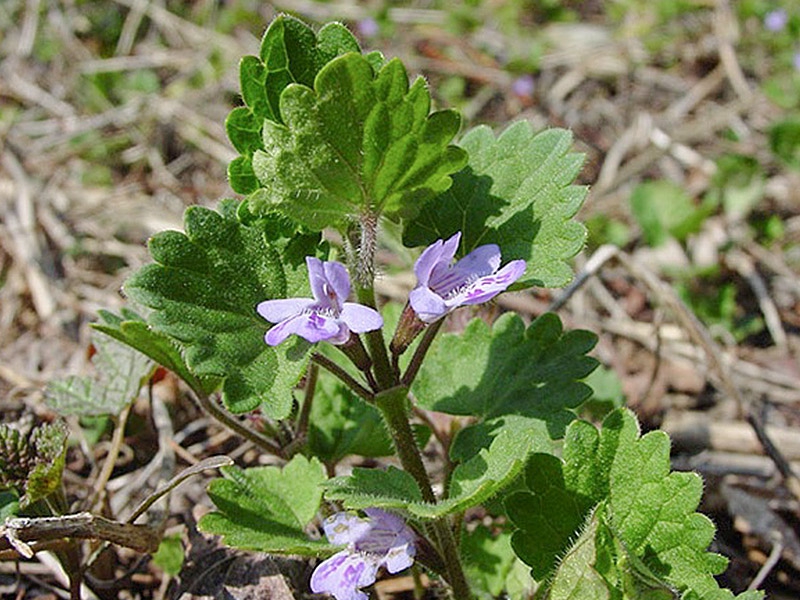
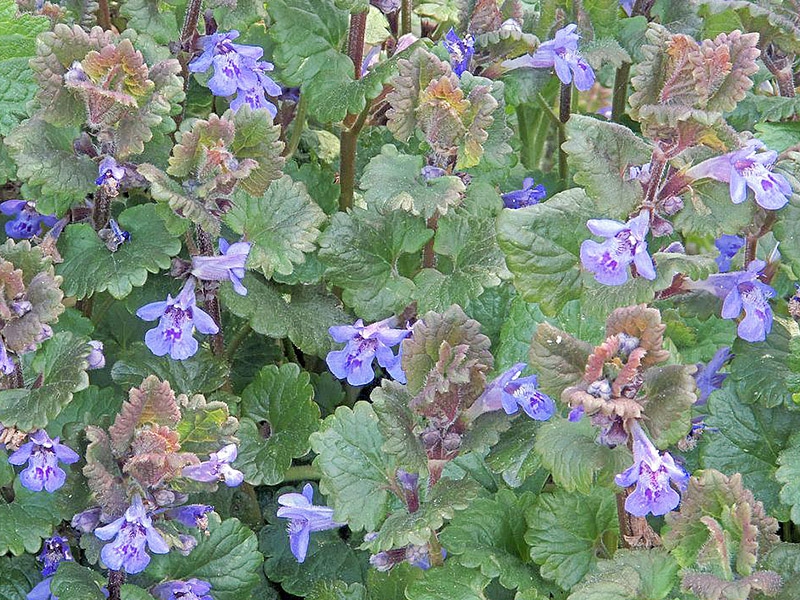
I will explain the growth characteristics, propagation methods, cultivation methods, garden uses, and major pests and diseases and control methods of Glechoma hederacea var. longituba. Growth Characteristics Glechoma hederacea var. longituba grows well primarily in shade, and can also thrive to some extent in partial shade. It prefers moist soil and grows well in relatively well-aerated soil. This is a low-growing variety, typically reaching a height of about 10 to 20 cm. The leaves are round and serrated, and it blooms with purple flowers from spring to early summer. Propagation Methods Propagation is mainly carried out by cuttings and division. Cuttings are taken in spring or early summer; they are cut to an appropriate length and either placed in water to encourage rooting or planted directly in soil. Division involves dividing the root section and planting it in multiple locations; this method is primarily performed in the spring. Cultivation Methods Long-stemmed bellflower is a relatively easy plant to care for. Water immediately when the top of the soil dries out, but be careful not to overwater. It is recommended to use liquid or slow-release fertilizer about once a week during spring and summer. Avoid direct sunlight in the summer, and move the plant indoors or to a protected location during the winter to maintain a warmer environment. Garden Uses Since long-stemmed bellflower grows as a vining plant, it is excellent for use as ground cover. It can be planted along garden boundaries or used in rock gardens, and is suitable for filling damp, shady areas. Additionally, its beautiful leaf shape and flower colors provide excellent decorative effects. Important Pests and Control Methods Long-stemmed bellflower is relatively resistant to pests and diseases, but the leaves can become infected with mold if humidity increases. To prevent this, maintain spacing between plants to ensure good air circulation and take care to avoid direct contact of water with the leaves. If pests such as aphids occur, they can be controlled by using appropriate insecticides or by washing them off with water. Please refer to the above information to successfully cultivate and utilize Hederacea var. longituba.
Plant Family
Lamiaceae
Height
5~50cm
Colors
amethyst
Bloom Period
April~May
Water Needs
commonly
Exposure
semi-shaded area
Freezing Resistance
-30°C
Seaside spring welcoming
Lysimachia maritima
var.
obtusifolia
patterned long-stemmed flower
Glecoma hederacea
'Variegata'