English
한국어
English
Español
中文
हिंदी
Home
News
Community
Dictionary
English
한국어
English
Español
中文
हिंदी
View list
Sea buckthorn
Glehnia littoralis
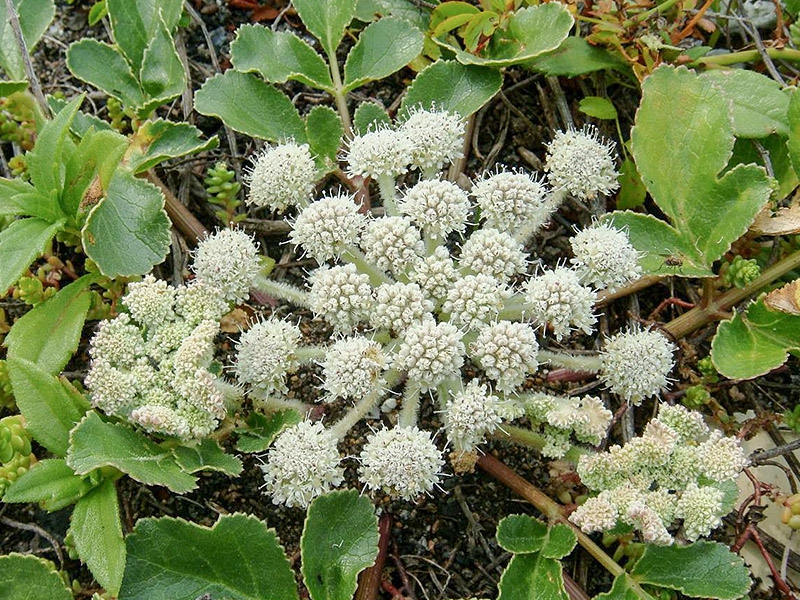
Glehnia littoralis is a plant native to the coast of Korea, thriving primarily on sandy or gravelly beaches. This plant possesses unique growth characteristics and is also used for medicinal purposes. Growth Characteristics Glehnia littoralis tolerates the saline environments of the coast and thrives in areas with abundant sand or gravel. It prefers ample sunlight and well-drained soil. It typically sprouts in the spring and blooms in the summer; the flowers are small and white. Propagation MethodsGlehnia littoralis propagates via seeds. The seeds mature in late autumn and can be sown immediately after harvesting or the following spring. When sowing seeds, they should be scattered on light soil, such as sand, and lightly covered. To increase the germination rate, soaking the seeds briefly in cold water before sowing is also helpful. Cultivation Methods - Soil Preparation: Prepare well-draining sandy soil. Apply organic fertilizer as needed. 2. Sowing: Sow seeds in the spring or late autumn. Lightly cover the seeds with soil. - Watering: Water periodically during dry periods, but avoid overwatering. - Weed Management: Take care to ensure there are no weeds during the early growth stage. Uses in the Garden Seaside Angelica is suitable for ornamental purposes in beach gardens or for locations where wind-resistant plants are desired. Planting it in rock gardens or sand gardens provides a natural landscape. Important Pests and Control Methods Seaside Angelica is relatively resistant to pests and diseases, but you should pay attention to the following issues: - Fungal Diseases: Mold can develop if drainage is poor. To prevent this, pay attention to soil drainage, and use a fungicide if disease occurs. - Pests: Common pests include aphids. Aphids can be removed by hand or controlled with soapy water. Seaside Angelica is a relatively easy plant to care for, but it can grow healthily if properly managed according to environmental conditions.
Plant Family
Apiaceae
Height
5~20cm
Colors
white, red
Bloom Period
June~July
Water Needs
commonly
Exposure
Sunny
Freezing Resistance
-15°C
American honey locust tree Triacanthos
Gleditsia triacanthos
Female fern
Diplopterygium laevissimum