English
한국어
English
Español
中文
हिंदी
Home
News
Community
Dictionary
English
한국어
English
Español
中文
हिंदी
View list
Glotiphyllum Fragrance
Glottiphyllum fragrans
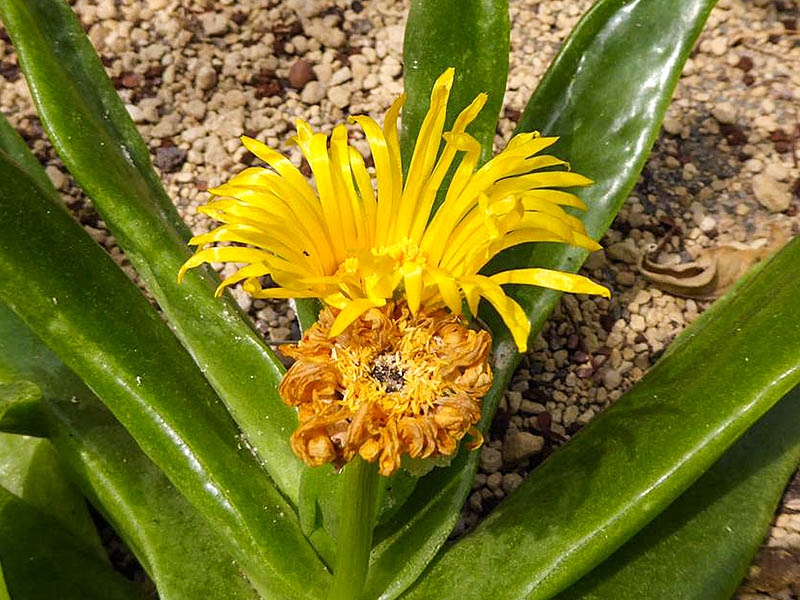
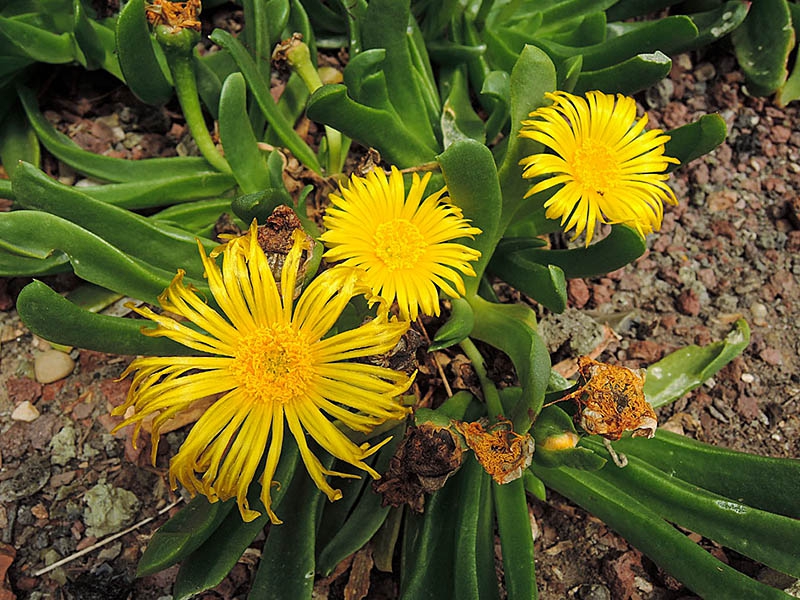
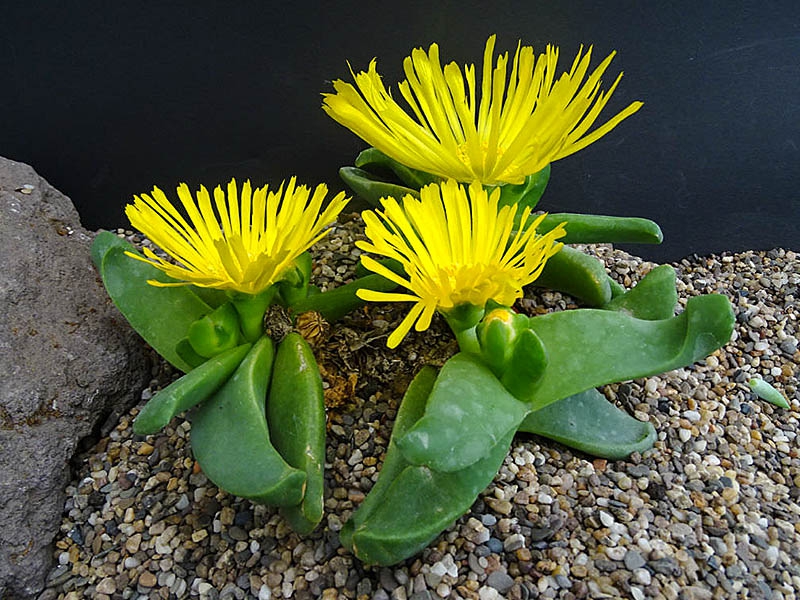
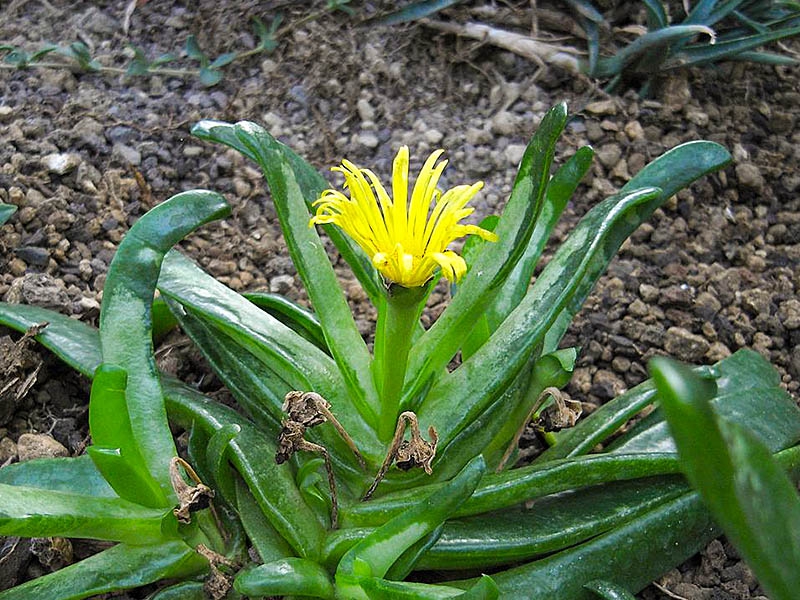
Glottiphyllum fragrans is a type of succulent plant widely loved for its unique shape and fragrance. The following describes the plant's growth characteristics, propagation methods, cultivation methods, garden uses, and important pests and diseases, as well as control methods. Growth Characteristics - Environment: It prefers bright, sunny locations and thrives in well-drained soil. It is resistant to dry environments but susceptible to overwatering. - Growth Season: It grows most actively in spring and autumn. Growth slows relatively during summer and winter. Propagation Methods - Leaf Cuttings: You can propagate by cutting a mature leaf, letting it dry, and planting it in soil. - Seeds: You can also propagate by planting mature seeds directly, but this requires more time and care. Cultivation Methods - Soil: It is recommended to use well-draining soil specifically designed for succulents or a sand mixture. - Watering: Water only after the soil has completely dried out during the growing season, and reduce watering during the dormant period. - Temperature: The optimal growing temperature is between 10 and 25 degrees Celsius, and it must be maintained above 5 degrees during the winter. Uses in the GardenGlotiphyllum Playfragrance is well-suited for rock gardens or container gardens. Its unique leaf shape and fragrance can add a focal point to your garden. Important Pests and Control Methods - Diseases: Root rot can occur due to excessive moisture, so proper drainage is essential. - Pests: Scale insects and aphids may appear; these can be controlled by removing them with cotton soaked in alcohol or by using appropriate insecticides. This information will help you grow Glotiphyllum Playfragrance healthily.
Plant Family
Pomegranate family
Height
6~8cm
Spread
3cm
Colors
yellow
Bloom Period
October to December
Water Needs
Bad
Exposure
Sunny
Freezing Resistance
-5°C
Glotiphyllum Longum
Glottiphyllum longum
Glotiphyllum Depressum
Glottiphyllum depressum