English
한국어
English
Español
中文
हिंदी
Home
News
Community
Dictionary
English
한국어
English
Español
中文
हिंदी
View list
Total light
Glyceria lithuanica
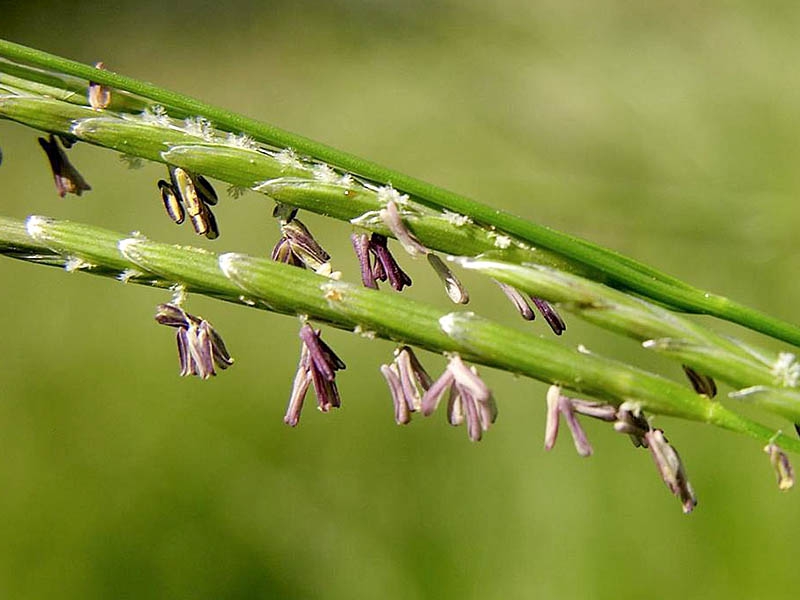
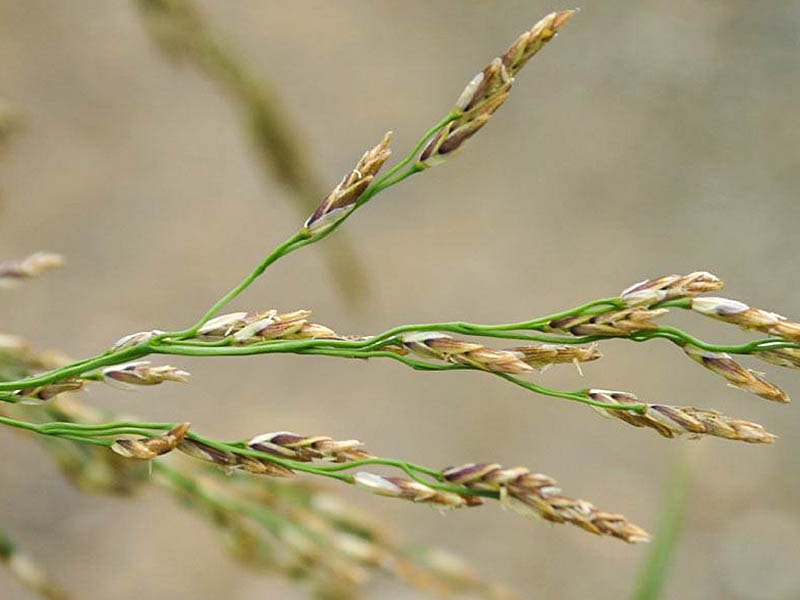
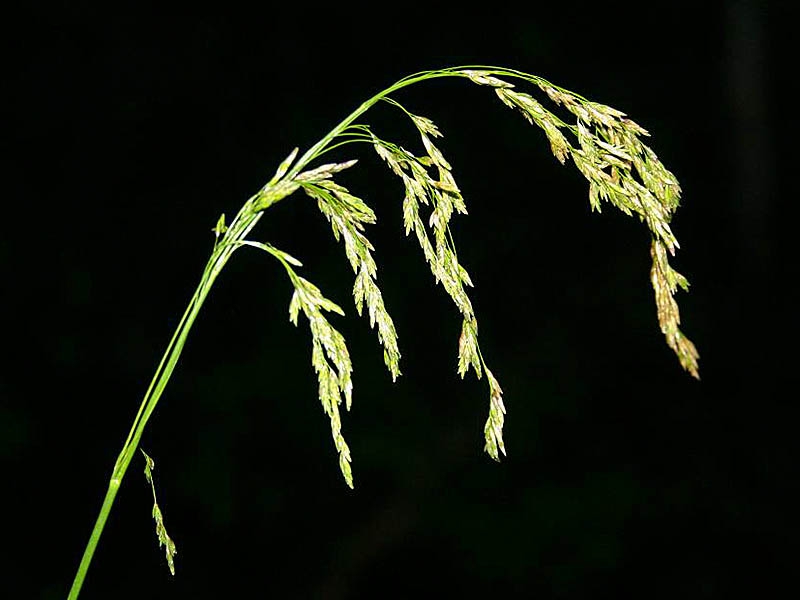
Glyceria lithuanica is a plant belonging to the grass family and is native primarily to wetlands in Northern Europe and Asia. The following describes the growth characteristics, propagation methods, cultivation methods, garden uses, and important pests and diseases and control methods for Glyceria lithuanica. Growth Characteristics - Environmental Conditions: Glyceria lithuanica prefers moist, well-drained soil. It thrives particularly well in wetlands or near water. - Sunlight: It can grow in a variety of light conditions, ranging from partial shade to full sun. - Growth Pattern: As a perennial, it has a relatively low height and tends to form colonies. Propagation Methods - Seed Propagation: Seeds are sown in the spring; it is recommended to soak them in water before sowing to increase germination rates. - Propagation by Division: It can be propagated by dividing the roots or perennial stems. Cultivation Methods - Soil Preparation: Well-drained, moist soil is ideal. Avoid conditions that are too dry or submerged in water. - Water Management: Provide sufficient water to ensure the soil remains moist. - Weed Management: Regularly remove weeds to ensure space for the Lithuaniana to grow. Garden Use - Landscaping: It is well-suited for wetland landscaping or naturalistic gardens and can also be used as a waterside plant. - Spatial Composition: It forms natural colonies, making it useful for creating ecological gardens. Important Pests and Control Methods - Diseases: It generally grows without major diseases, but caution is required as overwatering can cause root rot. - Pests: Damage from pests is generally minimal; however, use insecticides if pests that strain the leaves appear. - Prevention: It can be kept relatively healthy through regular ventilation and proper moisture management. Lithuaniana is relatively easy to care for and adapts well to environments such as wetlands, making it suitable for various landscaping purposes. It is important to pay attention to maintenance to provide an environment where it can grow well without difficulty.
Plant Family
Poaceae
Height
70~110cm
Colors
green
Bloom Period
July~August
Water Needs
commonly
Exposure
Sunny
Freezing Resistance
-30°C
Daetaek Gwang-i
Glyceria spiculosa
King loach
Glyceria leptolepis