English
한국어
English
Español
中文
हिंदी
Home
News
Community
Dictionary
English
한국어
English
Español
中文
हिंदी
View list
wild peas
Glyceria ischyroneura
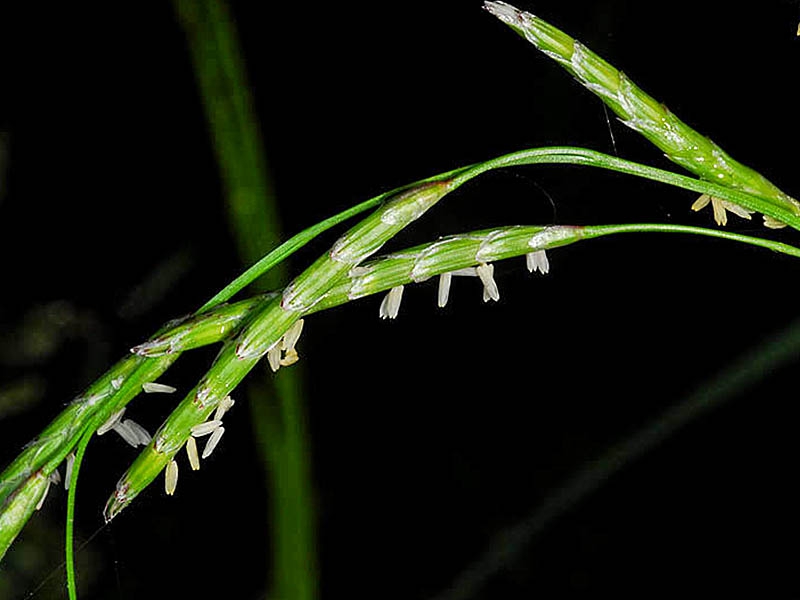
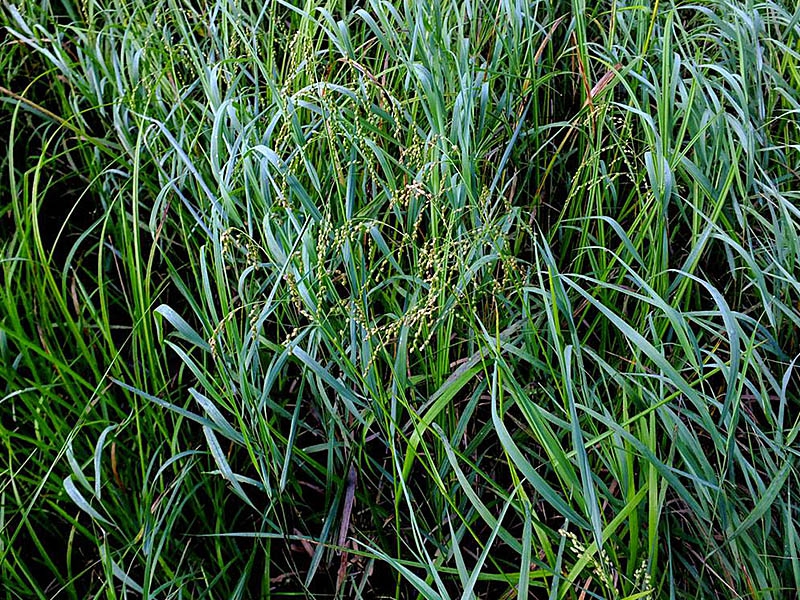
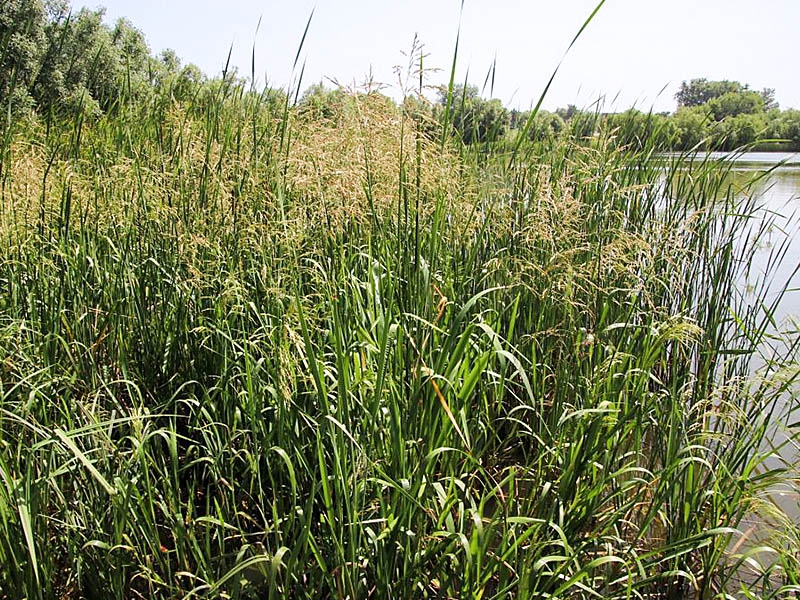
Glyceria ischyroneura is a perennial herbaceous plant belonging to the grass family, characterized by its growth in wetlands or near water. The following is information regarding this plant's growth characteristics, propagation methods, cultivation methods, garden uses, and major pests and control methods. Growth Characteristics - Environment: Glyceria thrives in humid environments and is primarily found in areas where the soil is wet. It is commonly seen at the edges of ponds, wetlands, or near streams. - Height: It typically grows to a height of 60 cm to 120 cm. - Leaves and Stems: The leaves are long and slender, while the stems are slim and soft. Propagation Methods - Seeds: The primary method of propagation is through seeds. Seeds can be collected from mature plants and planted directly or scattered in moist soil. - Division: Propagation can also be achieved by dividing and planting mature root ball. Cultivation Method - Soil: It prefers moist soil over well-drained soil. A neutral to slightly acidic soil pH is ideal. - Watering: Water frequently to maintain moisture, but be careful not to overwater. - Sunlight: It thrives in partial sunlight or partial shade. Garden Uses - Decorative Element: It is useful for enhancing the landscape of wetland gardens, pond edges, or artificial wetland spaces. It is effective in creating a natural atmosphere. - Ecological Value: It plays a role in increasing ecological diversity by providing habitat and food for various aquatic life. Important Pests and Control Methods - Diseases: It is generally resistant to diseases, but root rot can occur if the soil is excessively wet. To prevent this, it is important to create a growing environment with good drainage. - Pests: It is generally resistant to pests, but it can be damaged by snails or slugs. Physical removal or appropriate control may be necessary. - Control Methods: Prioritize natural control methods over chemical ones, and it is recommended to keep the surrounding environment clean to prevent snails. Ischironeus is a relatively easy plant to care for and thrives particularly well in environments where some moisture is maintained. It is advisable to keep this in mind when using it in the garden.
Plant Family
Poaceae
Height
40∼120cm
Colors
green
Bloom Period
May to June
Water Needs
commonly
Exposure
Sunny
Freezing Resistance
-20°C
King loach
Glyceria leptolepis
Long-tailed field blood
Glyceria arundinacea