English
한국어
English
Español
中文
हिंदी
Home
News
Community
Dictionary
English
한국어
English
Español
中文
हिंदी
View list
European barley
Glyceria declinata
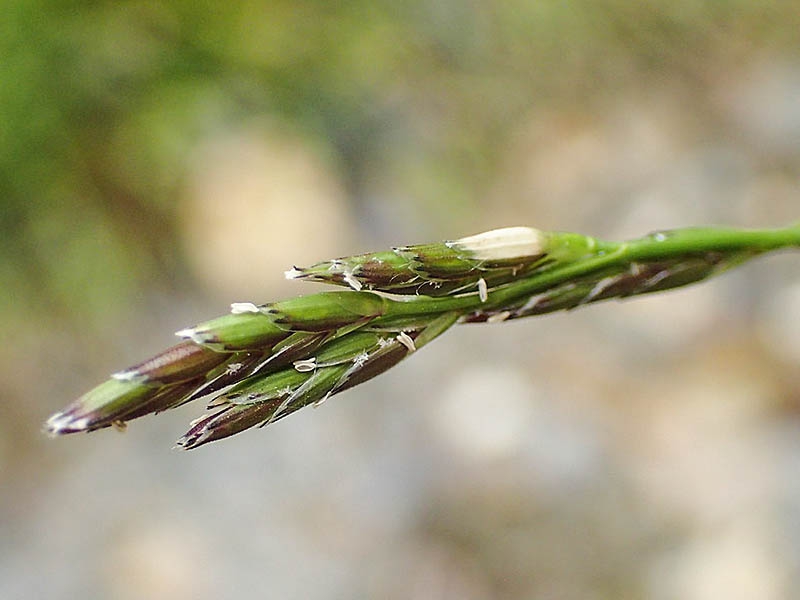
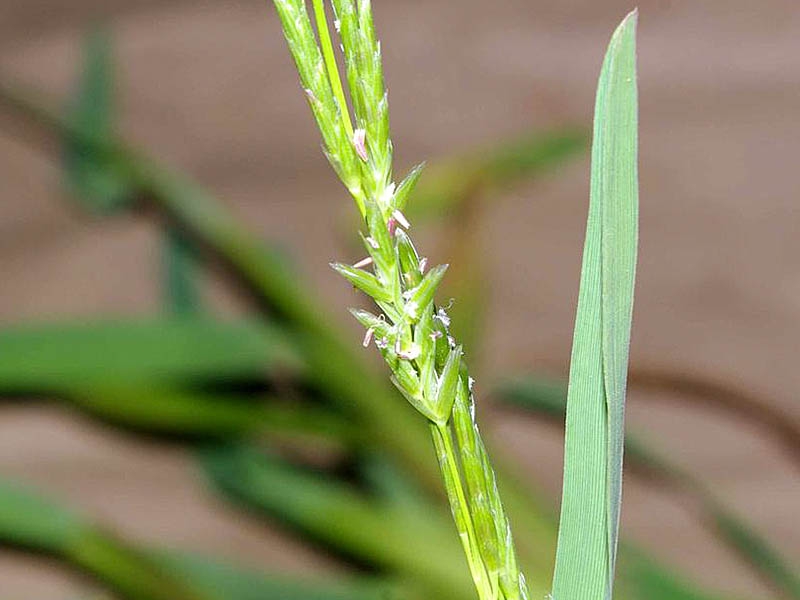
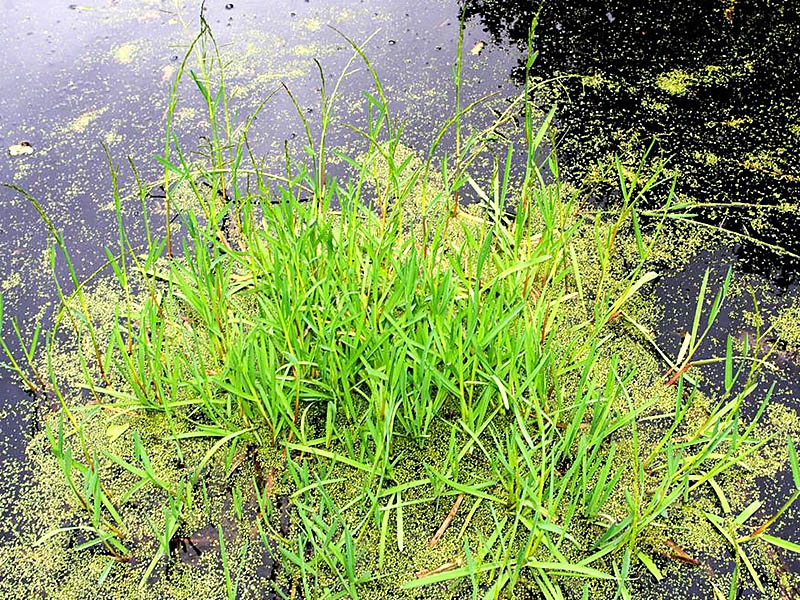
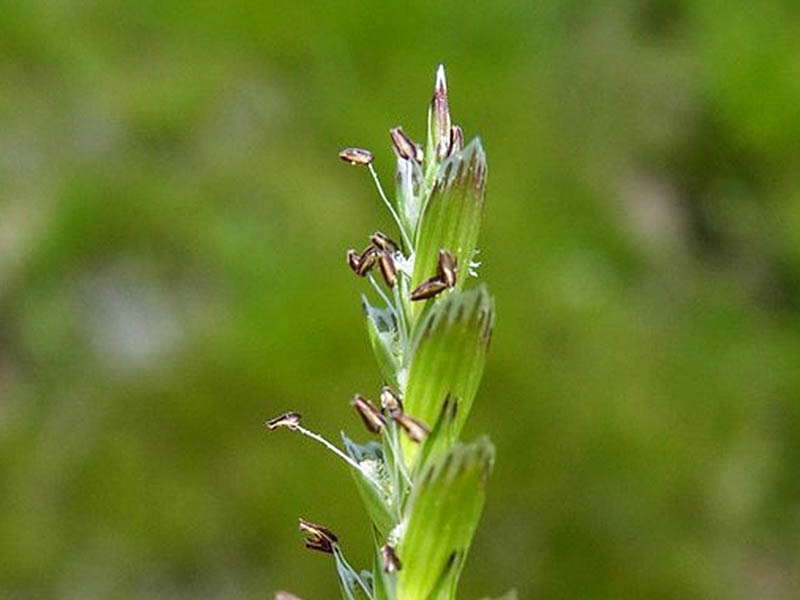
Glyceria declinata is a perennial plant that thrives in moist environments, such as watersides or wetlands. The following is information regarding this plant's main growth characteristics, propagation methods, cultivation methods, garden uses, and important pests and control methods. Growth Characteristics - Environment: Glyceria declinata prefers moist environments and grows well near watersides or reservoirs; it can also grow in partially shaded areas. - Soil: This plant prefers well-drained, moist soil and grows well in acidic to neutral soils. Propagation Methods - Seeds: Glyceria declinata is primarily propagated by seeds. Seeds fall to the ground after maturation and germinate naturally. - Division: Physical division of the roots can also be used for propagation in the spring or autumn. Cultivation Methods - Planting Time: Planting in the spring is generally recommended. At this time, the plant can grow rapidly as temperatures rise. - Care: Regular watering is required, and water supply is particularly important during dry periods. However, excessive moisture should be avoided. - Fertilizer: No special fertilizer is necessary, but using organic fertilizer in moderation during the growing season is beneficial. Garden Use - Decorative Value: As an aquatic plant, it is excellent for use along the edges of garden ponds or in wetland gardens. - Ecological Value: It can create wetland ecosystems, providing habitats for various aquatic species. Important Pests and Control Methods - Diseases: No specific diseases have been reported, but caution should be exercised regarding fungal diseases in humid environments. - Pests: General pests are rare, but poor drainage can lead to root rot. - Control Methods: In the event of fungal outbreaks, it is important to use appropriate fungicides or reduce moisture by improving ventilation. The environment must be managed to ensure proper drainage is maintained. Since the European barberry is relatively easy to care for, it is a very useful plant for decorating waterfronts or creating ecologically valuable gardens.
Plant Family
Poaceae
Height
20~90cm
Colors
green
Bloom Period
April to June
Water Needs
commonly
Exposure
Sunny
Freezing Resistance
-15°C
Long-tailed field blood
Glyceria arundinacea
Black ginseng
Glyceria debilior