English
한국어
English
Español
中文
हिंदी
Home
News
Community
Dictionary
English
한국어
English
Español
中文
हिंदी
View list
Soybeans
Glycine max
subsp.
soja
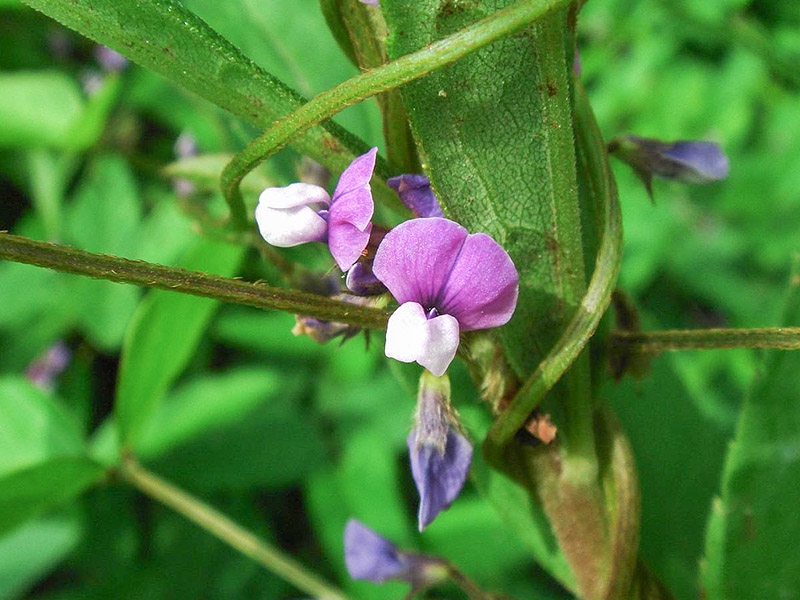
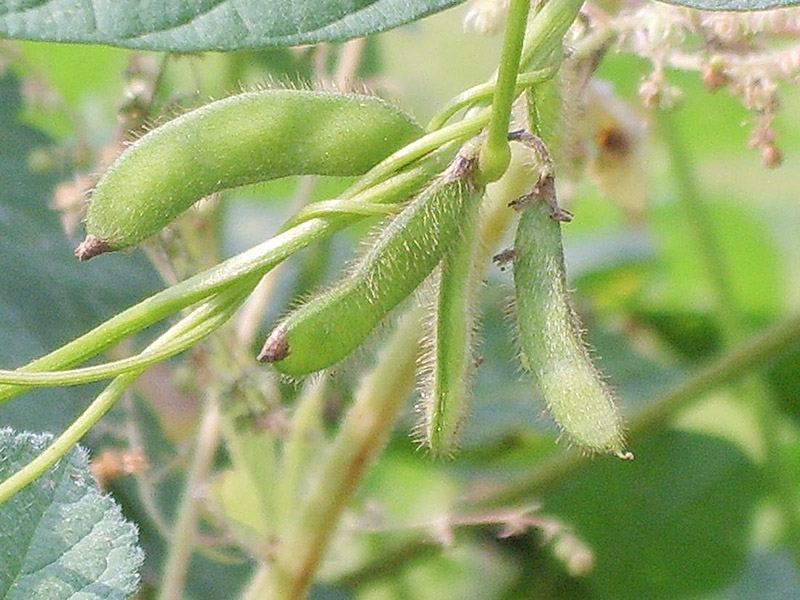
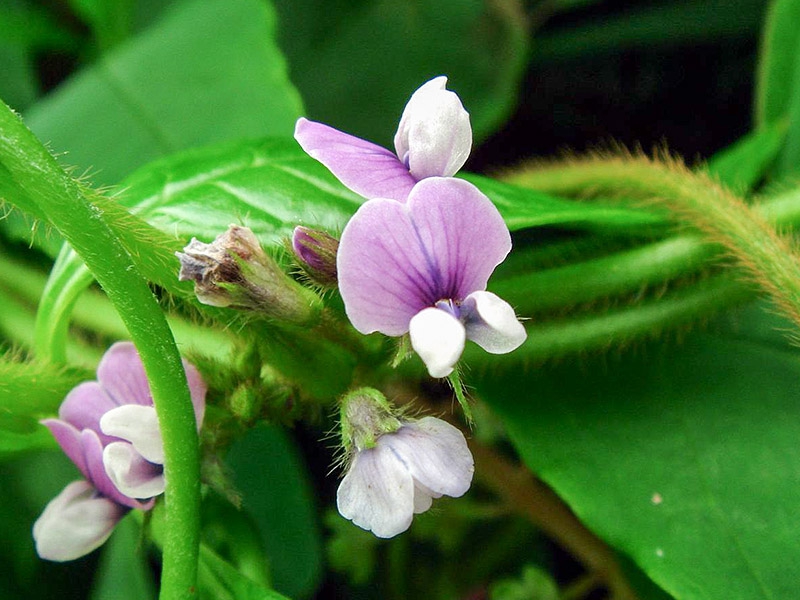
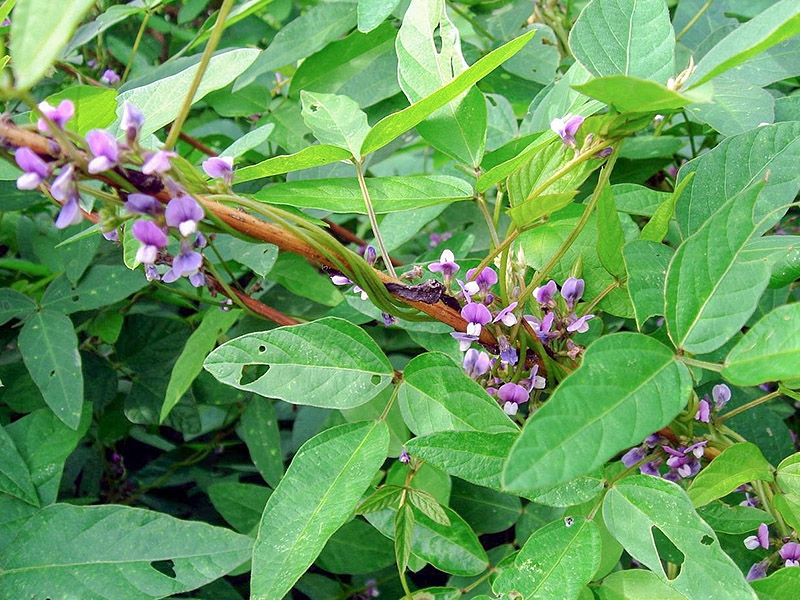
Glycine max subsp. soja is a legume and a type of wild bean native primarily to Asia. - Growth Characteristics: - It grows primarily as a vining plant, reaching a height of approximately 30 to 90 cm. - The leaves are compound, consisting of clusters of small, oval leaflets. - Flowers usually bloom between June and August and are purple, violet, or white. - The fruit is a small pod that is slightly swollen at the top. - Propagation Methods: - Propagation by seeds is common, and seeds are sown in the spring. - To increase germination rates, seeds can be soaked in water before sowing. - Cultivation Methods: - It prefers locations with abundant sunlight and well-drained soil is suitable. - Soil with a pH between 6.0 and 7.0 is ideal. - Plant at regular intervals in well-drained cultivated land and remove weeds periodically. - Use in Gardens: - Primarily used for academic research or crop breeding studies. - Can be used in ecological gardens for soil improvement and biodiversity. - Major Pests and Diseases and Control Methods: - Diseases: Pests include rust and sclerotinia rot; control is possible through periodic pesticide application and ventilation. - Pests: Major pests include aphids and cutworms; for eco-friendly control, natural enemies or soapy water can be used. - As a preventive measure, ensure good ventilation for the crop and strictly monitor the early detection and management of pests and diseases. By considering this information, you can grow healthy wild soybeans.
Plant Family
legumes
Height
20~200cm
Colors
Pink, purple
Bloom Period
July~August
Water Needs
commonly
Exposure
Sunny
Freezing Resistance
-15°C
Glyceria striata
Glyceria striata
bean
Glycine max