English
한국어
English
Español
中文
हिंदी
Home
News
Community
Dictionary
English
한국어
English
Español
中文
हिंदी
View list
bean
Glycine max
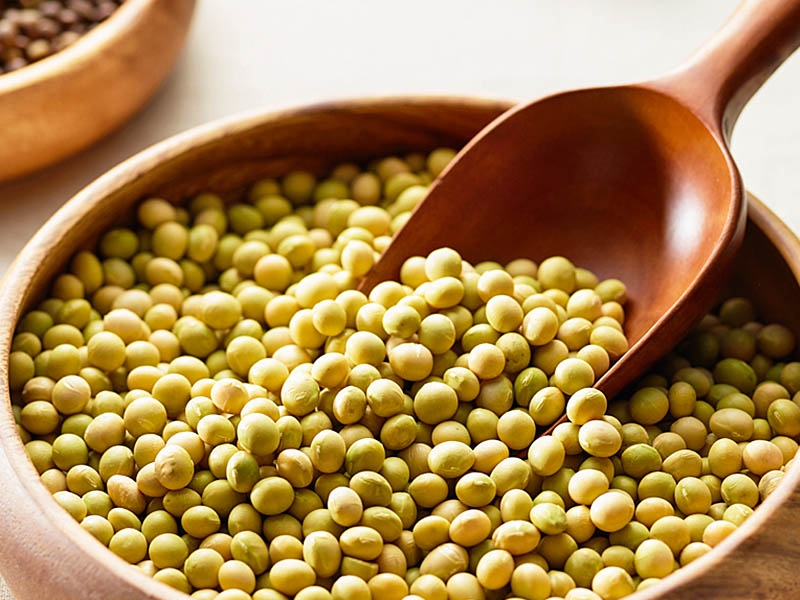
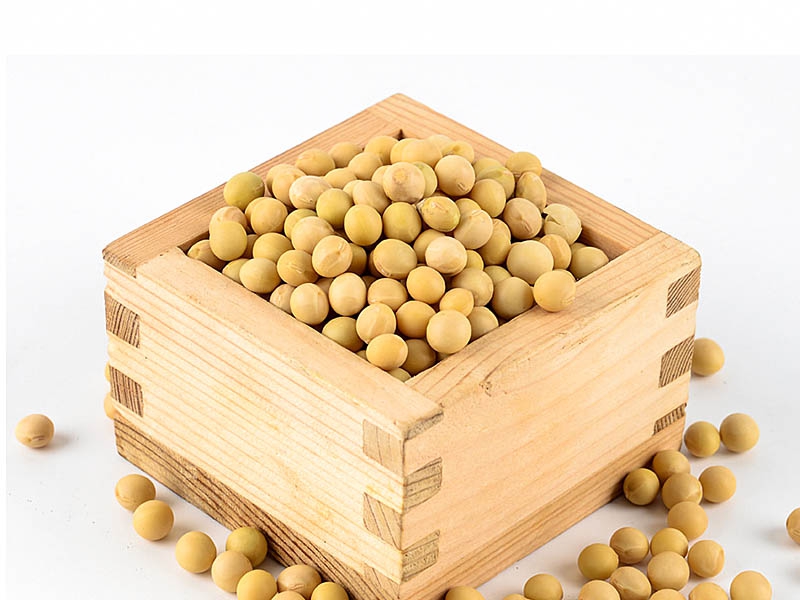
I will explain the growth characteristics, propagation methods, cultivation methods, garden uses, and major pests and diseases and control methods of Glycine max. Growth Characteristics - Roots: Beans have a deep and strong root system that allows them to absorb moisture and nutrients deep into the soil. - Stems: As a herbaceous plant, the stems spread along the ground and generally grow to a height of 50 cm to 150 cm. - Leaves: The leaves are alternate and consist of three leaflets. The leaf color is generally green. - Flowers: As a monoecious plant, it usually produces small, bright purple or white flowers. - Fruit: It is shaped like an elongated pod, usually containing 2 to 4 seeds per pod. Propagation Methods - Beans are primarily propagated by seeds. The seeds can germinate well even without excessive moisture. Cultivation Methods - Sowing Time: Sowing is generally done in the spring, and the optimal time is when the soil temperature is 10 degrees Celsius or higher. - Soil Conditions: Well-drained soil rich in organic matter is suitable. Soil close to neutral with a pH of 6.0 to 7.0 is ideal. - Water Management: Sufficient water is required during the initial germination and flowering stages, but care must be taken as excessive moisture can hinder root respiration. - Fertilizer: Since nitrogen requirements are relatively low, it is recommended to apply phosphorus and potassium fertilizers during the early growth stages. - Weed and Disease Management: Continuous management is necessary during the early growth stage, as weeds can significantly impact development. Utilization in Gardens - Soybeans can be grown even in small gardens and are a useful plant that can be utilized as a food source. They also help the growth of other plants due to their ability to fix nitrogen in their roots. Important Pests and Diseases and Control Methods - Pests and Diseases: - Diseases: These include soybean mosaic virus, rust, and wilt disease. - Pests: Common pests include the soybean stem borer, small leaf beetle, and aphids. - Control Methods: - Prevention: It is important to select disease-resistant varieties and to control them early by carefully observing the plants during periods when pests are prevalent. - Chemical Control: If necessary, organically approved insecticides or fungicides may be used. - Physical Control: Pests can be removed by hand or by using sticky traps. - Cultivation Management: Adjust plant density and periodically tidy up the surroundings to ensure good ventilation. This concludes the explanation of the basic growth characteristics, cultivation methods, and control methods for Soybean Max. We hope this helps you cultivate healthy and highly productive soybeans.
Plant Family
legumes
Height
60~180cm
Colors
White, pink, purple
Bloom Period
June to August
Water Needs
commonly
Exposure
Sunny
Freezing Resistance
-15°C
Soybeans
Glycine max
subsp.
soja
licorice
Glycyrrhiza uralensis