English
한국어
English
Español
中文
हिंदी
Home
News
Community
Dictionary
English
한국어
English
Español
中文
हिंदी
View list
licorice
Glycyrrhiza uralensis
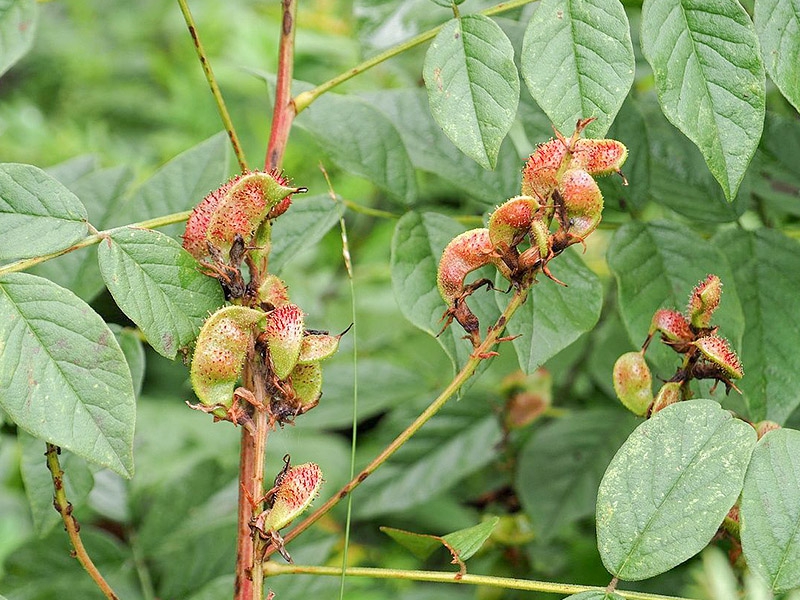
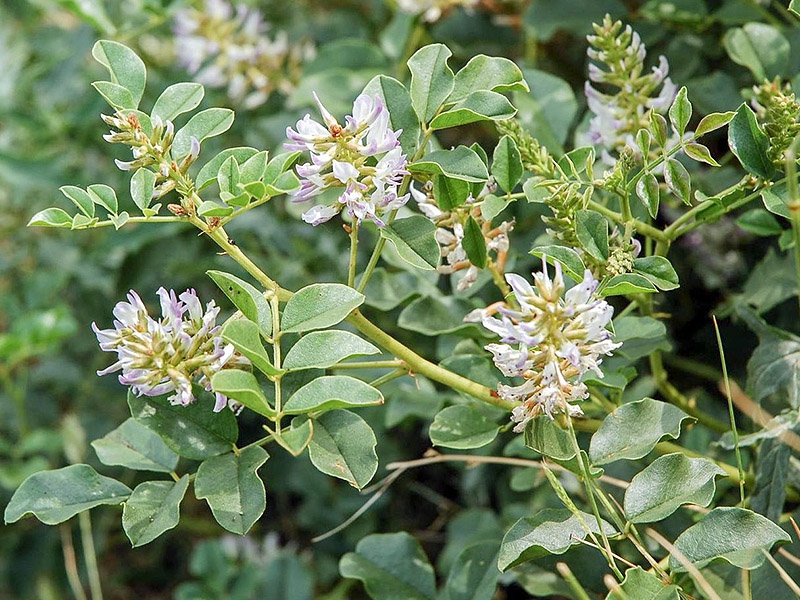
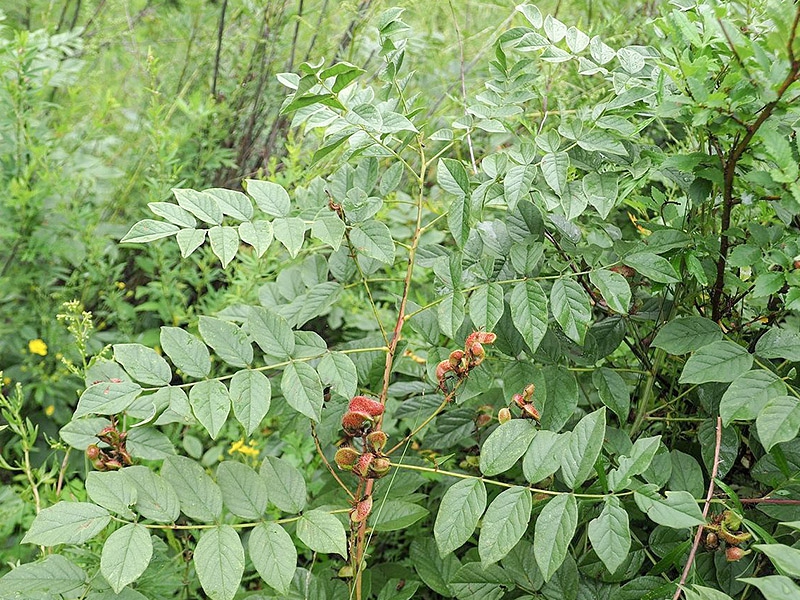
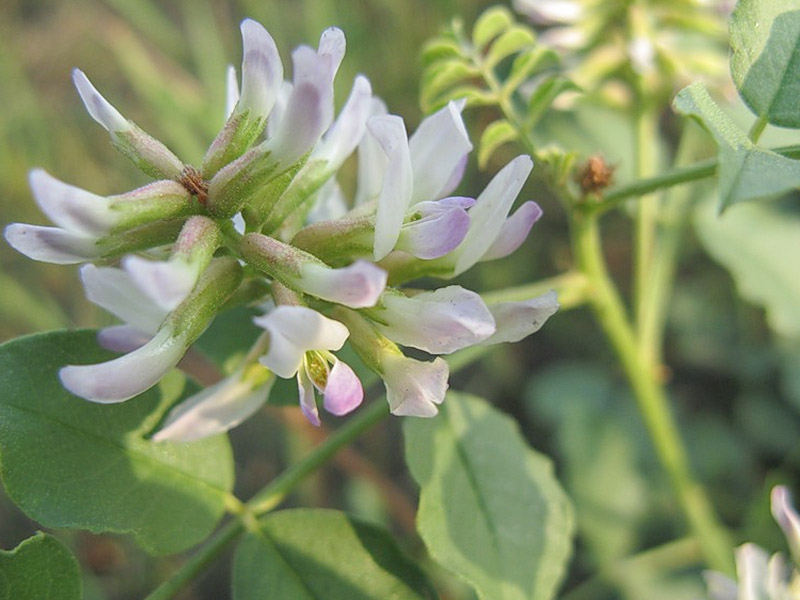
Glycyrrhiza uralensis is a perennial herbaceous plant that grows primarily in Asia. It is utilized for various purposes due to the presence of compounds that produce its distinctive flavor. The following outlines the growth characteristics, propagation methods, cultivation methods, garden uses, major pests and diseases, and control methods for Glycyrrhiza uralensis. Growth Characteristics - Environment: It tolerates both full sun and partial shade and thrives in well-drained soil. - Temperature: It prefers temperate climates and generally exhibits excellent overwintering ability. - Moisture: It requires moderate moisture but should avoid excessive humidity. Propagation Methods - Seed Propagation: It can be propagated by seeds; sowing at room temperature in the spring is recommended. - Root Division: It can be propagated by separating root clumps. This method is typically performed in the spring or autumn. Cultivation Methods - Soil Preparation: It should be planted in well-drained soil, and it is advisable to improve soil fertility by adding organic matter. - Fertilizer: Provide an appropriate amount of fertilizer during the early growth period. - Support: As it grows, it becomes vining, so support may be necessary. Uses in the Garden - Ornamental: Its greenery and flowers are effective for garden decoration, and it is primarily used as a background plant. - Medicinal: It has traditionally been used as a medicinal herb and can be grown and harvested directly in the garden. Important Pests and Control Methods - Diseases: There is a possibility of gray mold or root rot occurring. This can be prevented by ensuring good ventilation and maintaining a well-drained environment. - Pests: It may be damaged by aphids and cutworms; control them using appropriate insecticides. - Prevention: Regular observation and prompt action are important, and natural enemies can also be used for natural control. Licorice uralensis is a relatively easy plant to care for, and it can grow healthily if the above guidelines are followed.
Plant Family
legumes
Height
40~100cm
Colors
purple
Bloom Period
July~August
Water Needs
commonly
Exposure
semi-shaded area
Freezing Resistance
-15°C
bean
Glycine max
Licorice
Glycyrrhiza pallidiflora