English
한국어
English
Español
中文
हिंदी
Home
News
Community
Dictionary
English
한국어
English
Español
中文
हिंदी
View list
Licorice
Glycyrrhiza pallidiflora
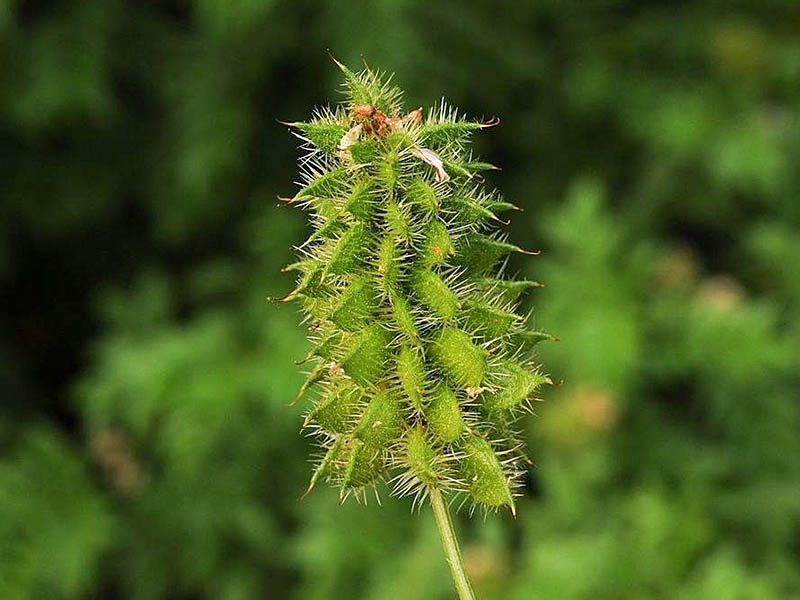
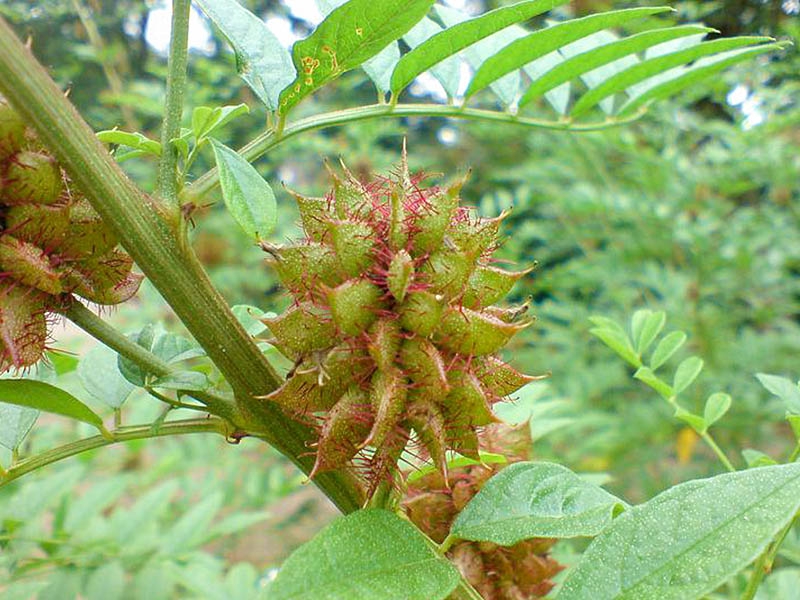
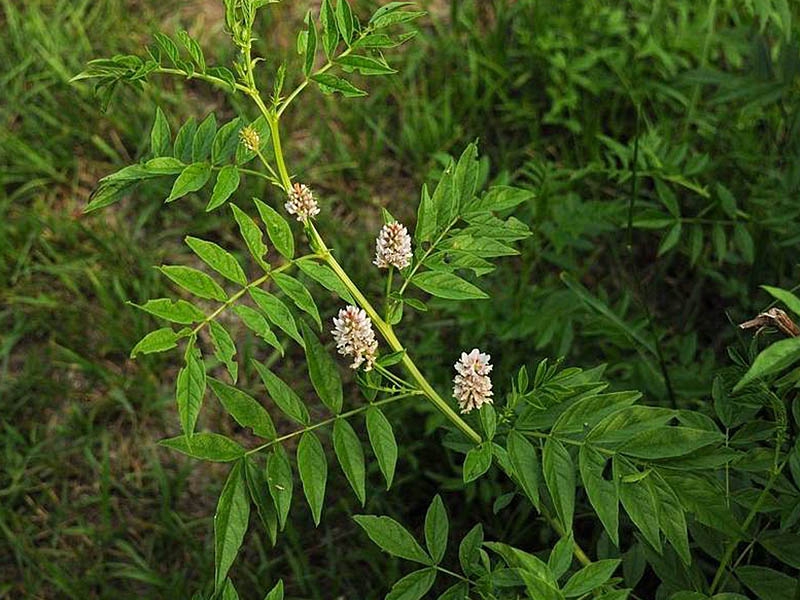
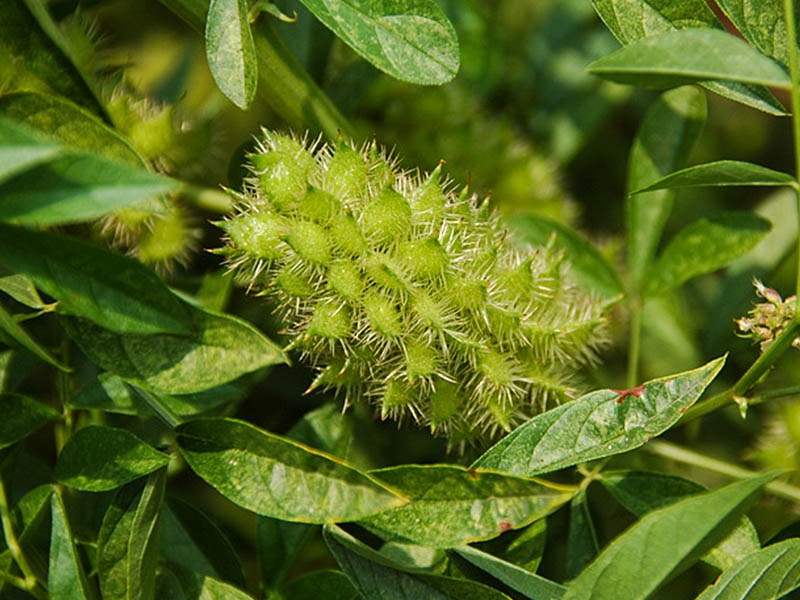
Glycyrrhiza pallidiflora has the following growth characteristics, propagation methods, cultivation methods, garden uses, and pest and disease control methods. Growth Characteristics - Environment: Glycyrrhiza pallidiflora thrives in sunny locations and prefers well-drained soil. - Size: It typically grows to a height of 60 to 100 cm. - Flowers: Small white to light purple flowers bloom in the summer. - Roots: The roots are primarily used as a medicinal herb and are characterized by their sweet taste. Propagation Methods - Seeds: It can be propagated using seeds. It is best to sow in spring or autumn. - Root Division: It can also be propagated by dividing the roots in the autumn. Cultivation Methods - Sowing Time: The best time to sow is in spring or autumn. - Watering: It is generally recommended to water about once a week. Excessive watering should be avoided. - Fertilizer: General compound fertilizers can be used to aid growth. Uses in the Garden - In the garden, Licorice is primarily used as a medicinal plant, and its roots can be harvested for medicinal purposes. - It can also be used for ornamental purposes and can be arranged harmoniously with other plants during the flowering season. Major Pests and Control Methods - Diseases: It is generally resistant to diseases, but root rot may occur if the soil becomes waterlogged. - Control: Maintain proper drainage and manage the plant to avoid overwatering. - Pests: Aphids or moths may occur. - Control: Upon early detection, they can be removed by hand or controlled using insecticides. Based on this information, you can successfully cultivate and manage Licorice palidiflora.
Plant Family
legumes
Height
1~1.5m
Colors
amethyst
Bloom Period
July~August
Water Needs
commonly
Exposure
Sunny
Freezing Resistance
-10°C
licorice
Glycyrrhiza uralensis
cotton grass
Euchiton japonicus