English
한국어
English
Español
中文
हिंदी
Home
News
Community
Dictionary
English
한국어
English
Español
中文
हिंदी
View list
Golden daisy
Gnaphalium hypoleucum
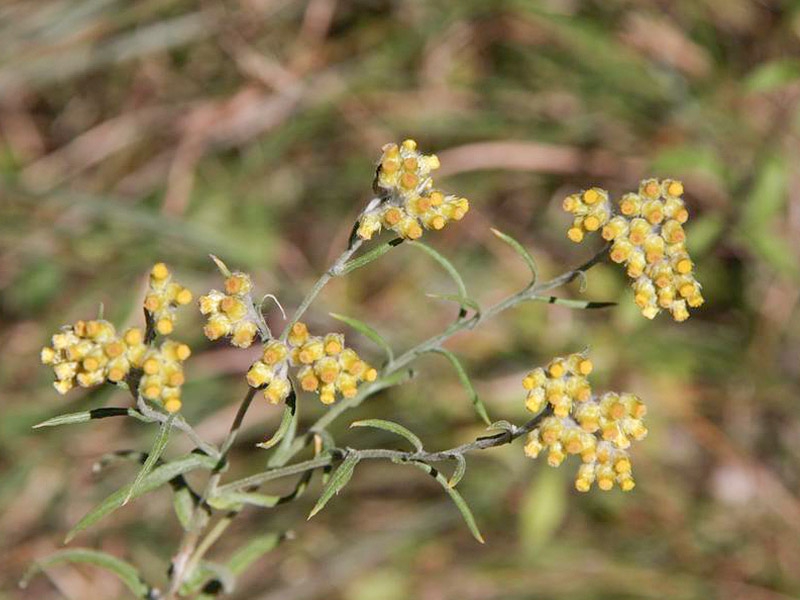
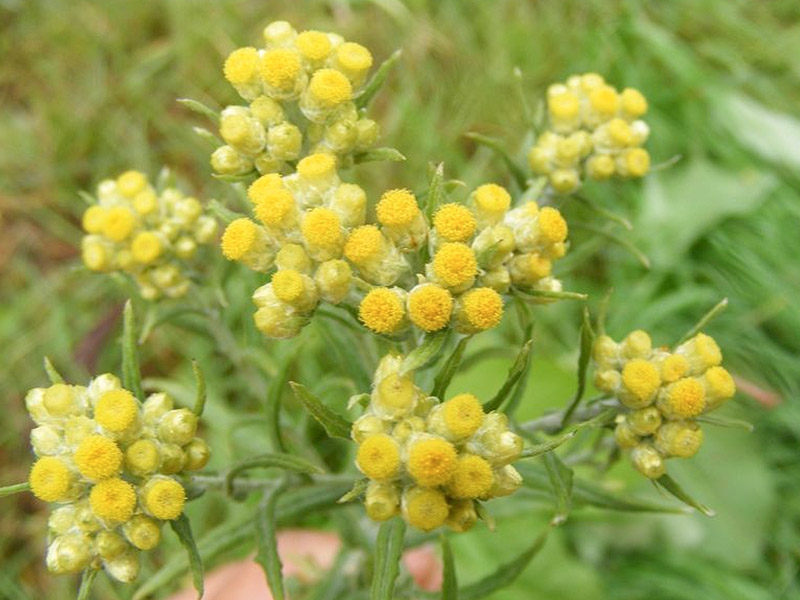
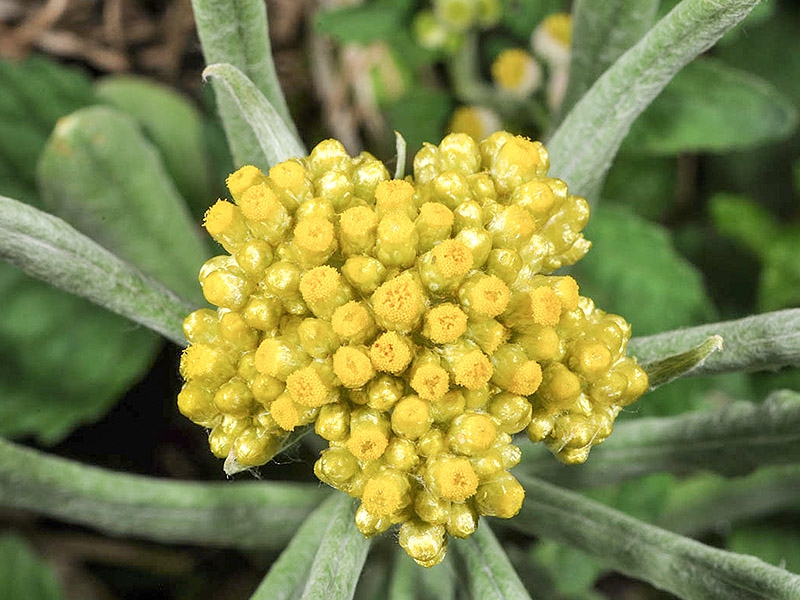
Gnaphalium hypoleucum is a plant belonging to the Asteraceae family and is native mainly to Korea, Japan, and China. The following is information regarding the growth characteristics, propagation methods, cultivation methods, garden uses, and major pests and diseases and control methods of Gnaphalium hypoleucum. Growth Characteristics - Environment: It thrives in sunny locations and prefers well-drained soil. - Size: The plant typically grows to a height of 30 to 60 cm. - Leaves: The leaves are silvery-gray and soft due to the hairs on the surface. - Flowers: It blooms with small yellow flowers in summer and autumn. Propagation Methods - Seeds: Seed germination is the primary method of propagation, and it is recommended to sow in spring or autumn. - Division: The plant can be propagated by dividing its roots or stems. Cultivation Methods - Soil Preparation: Prepare the soil by mixing well-draining soil with organic fertilizer. - Watering: Water sufficiently without wetting the soil, but avoid excessive moisture. - Fertilization: Applying organic fertilizer in spring and autumn helps with growth. Uses in the Garden- Planting Hippocampus pygmaeus in flowerbeds or along garden borders creates a beautiful landscape. - The flower colors harmonize well with surrounding plants, making it popular for ornamental purposes. Important Pests and Control Methods - Diseases: It is susceptible to leaf blight and fungal diseases, so it is important to create an environment with good ventilation and drainage. - Pests: Pests such as aphids and mites may frequently occur. To control them, using natural enemies or appropriate insecticides is effective. As such, Hippocampus pygmaeus is an easy plant to grow in various environments, and with proper care and attention, it can be cultivated beautifully in the garden.
Plant Family
Asteraceae
Height
30~60cm
Colors
yellow
Bloom Period
August to October
Water Needs
commonly
Exposure
Sunny
Freezing Resistance
-10°C
cotton grass
Euchiton japonicus
cottonweed
Pseudognaphalium affine