English
한국어
English
Español
中文
हिंदी
Home
News
Community
Dictionary
English
한국어
English
Español
中文
हिंदी
View list
cottonweed
Pseudognaphalium affine
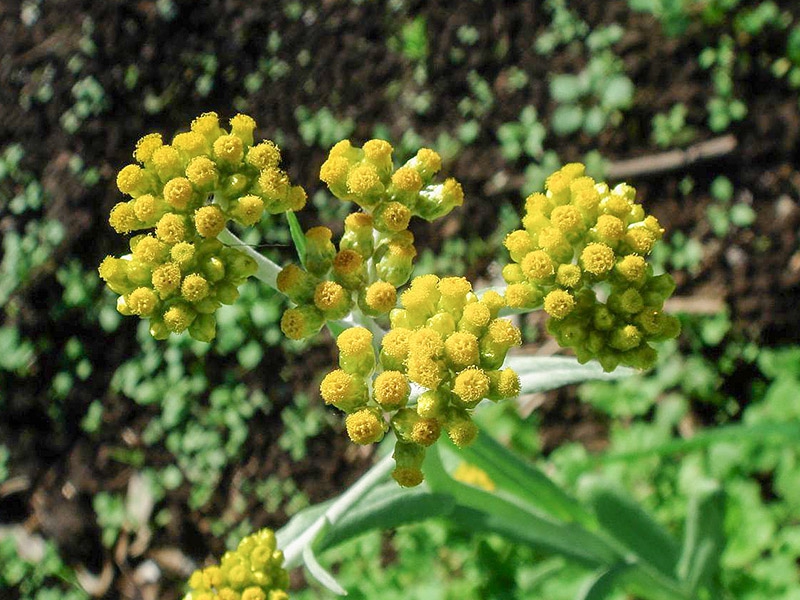
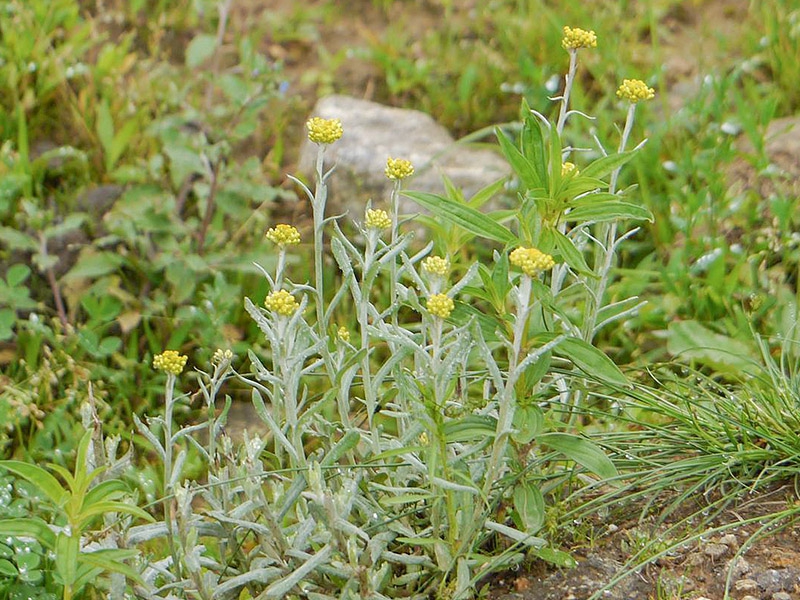
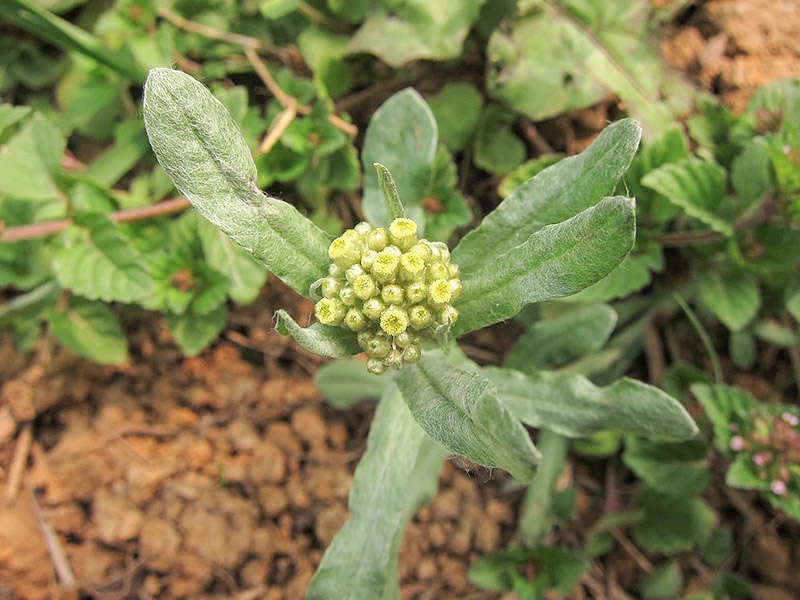
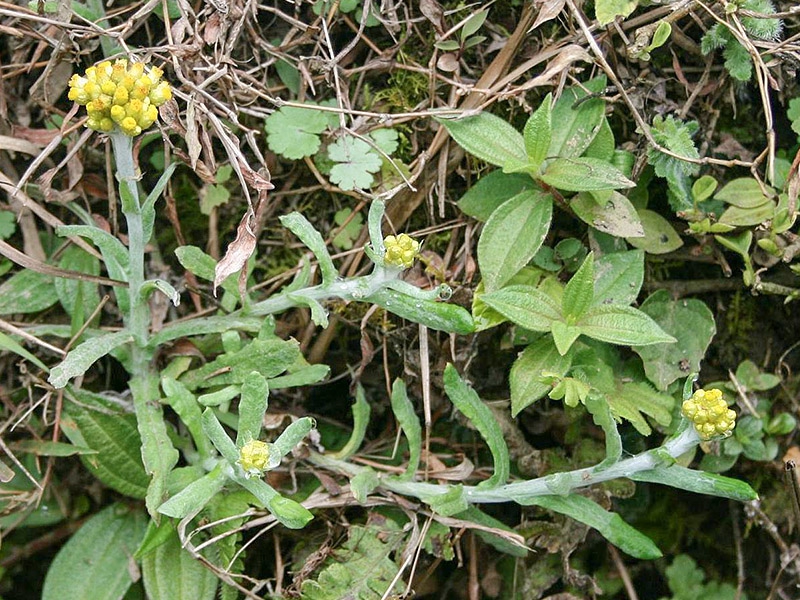
Gnaphalium affine is a perennial plant belonging to the Asteraceae family, native primarily to Asia. The following describes the growth characteristics, propagation methods, cultivation methods, garden uses, and major pests and diseases, as well as control methods. Growth Characteristics - Growing Environment: Gnaphalium affine thrives in sunny locations with well-drained soil. It is also relatively tolerant of dry environments. - Size: It generally grows to a height of 10 to 30 cm. - Leaves and Flowers: It has soft, silvery-gray leaves, and small yellow flowers bloom from early spring to summer. Propagation Methods - Seed Propagation: Seeds can be sown directly in spring or autumn, or seedlings can be grown and transplanted. - Division Propagation: Due to its well-developed roots and high reproductive capacity, propagation can be attempted by dividing the seedlings. Cultivation Methods - Planting Season: Spring and autumn are suitable for planting. - Potting Soil Preparation: It is recommended to use neutral to slightly acidic potting soil. It is important to use well-draining soil. - Watering: Avoid overwatering; it is best to water when the soil becomes dry. - Fertilizer: No special fertilizer is required, but a small amount of slow-release fertilizer may be used to aid initial growth. Garden Use - Apine cohosh is excellent for use as a ground cover and can be utilized in various garden designs. - It is particularly well-suited for borders or rock gardens and harmonizes well with other plants. Major Pests and Control Methods - Diseases: Specific diseases are rare, but care must be taken to prevent root rot caused by excessive moisture. Ensure good drainage. - Pests: Aphids or scale insects may occur; if found, remove them immediately or control them using eco-friendly insecticides. - As a preventive measure, it is important to keep the area around the plant clean and maintain proper ventilation. - By utilizing the information above, you will be able to grow Apine daisies successfully. Use this plant to create a natural aesthetic in your garden.
Plant Family
Asteraceae
Height
15~40cm
Colors
yellow
Bloom Period
May to July
Water Needs
commonly
Exposure
Sunny
Freezing Resistance
-10°C
Golden daisy
Gnaphalium hypoleucum
Whyteokssuk
Gnaphalium uliginosum