English
한국어
English
Español
中文
हिंदी
Home
News
Community
Dictionary
English
한국어
English
Español
中文
हिंदी
View list
Whyteokssuk
Gnaphalium uliginosum
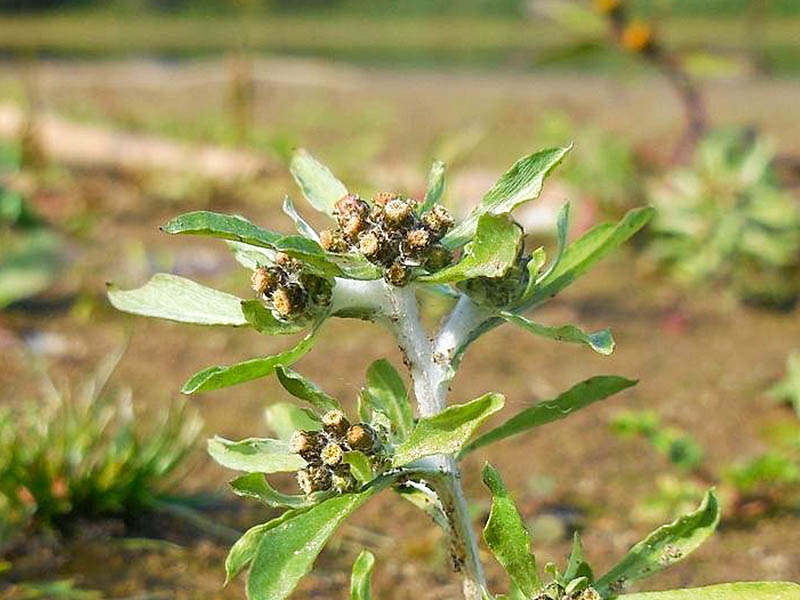
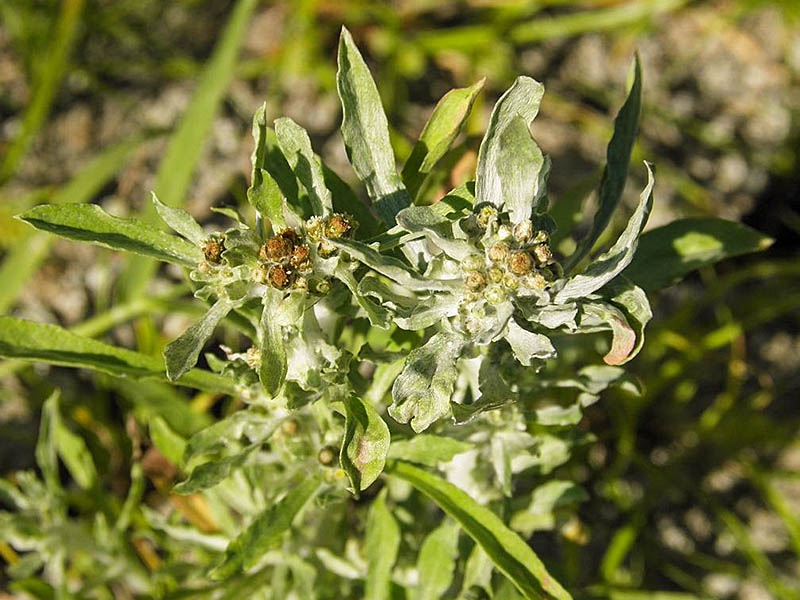
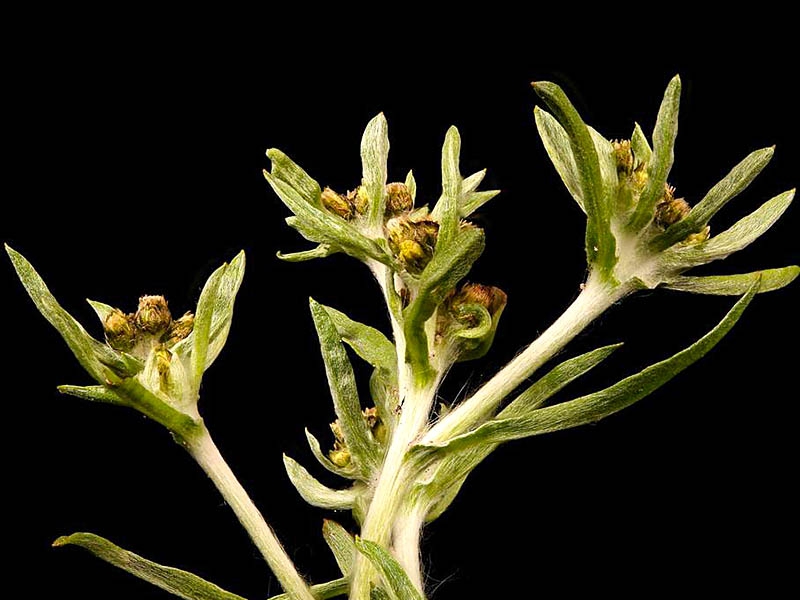
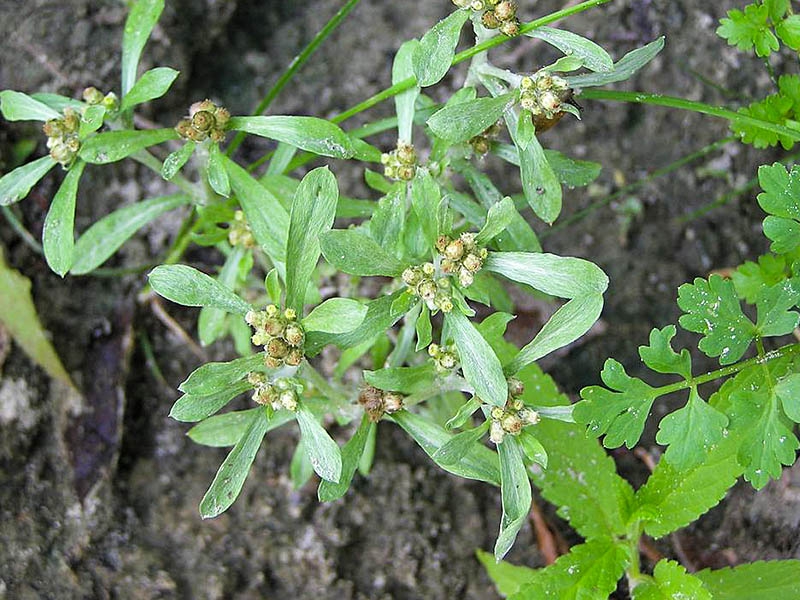
Gnaphalium uliginosum is an annual herbaceous plant that commonly grows in humid areas. Its growth characteristics, propagation methods, cultivation methods, garden uses, and major pests and diseases, as well as control methods, are as follows: Growth Characteristics - Growing Environment: Gnaphalium uliginosum thrives in moist soil but can also survive in well-drained areas. It prefers sunlight but can grow in partial shade. - Size and Shape: It typically grows to a height of 10 to 30 cm. The leaves are small, oval-shaped, and covered with white hairs. - Flowering Period: It blooms from July to September. The flowers are small, yellow, and bloom in clusters. Propagation Methods - Seed Propagation: It propagates by seeds. It can be sown directly in the spring or transplanted after germination indoors. - Germination Conditions: The optimal temperature for germination is approximately 15–20°C. The seeds should be covered thinly to allow them to receive light. Cultivation Method - Soil Preparation: Mix organic matter into well-draining soil. - Watering: It is best to maintain moisture but avoid excessive watering. The plant may rot, especially if drainage is poor. - Periodic Care: Appropriate fertilization is required in early spring and late summer, and attention must be paid to weed and pest control. Uses in the Garden - Decorative Value: It is aesthetically useful due to its small yellow flowers and unique leaf shape. It also provides a natural feel as a backdrop for surrounding plants. - Medicinal Uses: It has traditionally been used as a medicinal plant and is known to have various beneficial effects. Important Pests and Control Methods - Diseases: While Japanese daisy (Wae-ttok-ssuk) is not prone to particularly fatal diseases, symptoms of root rot may occur if the soil is overwatered. - Pests: It is resistant to general pest attacks, but it may be attacked by aphids or slugs. - Control Methods: Improve the environment through proper water management and ventilation. For pests, control them using soapy water or natural insecticides upon early detection. We hope this information helps you in cultivating and managing Scutellaria baicalensis.
Plant Family
Asteraceae
Height
15~30cm
Colors
brown, yellow
Bloom Period
May to July
Water Needs
commonly
Exposure
Sunny
Freezing Resistance
-30°C
cottonweed
Pseudognaphalium affine
Purple cotton grass
Gamochaeta pensylvanica