English
한국어
English
Español
中文
हिंदी
Home
News
Community
Dictionary
English
한국어
English
Español
中文
हिंदी
View list
Stenopleurum cactus
Gymnocalycium stenopleurum
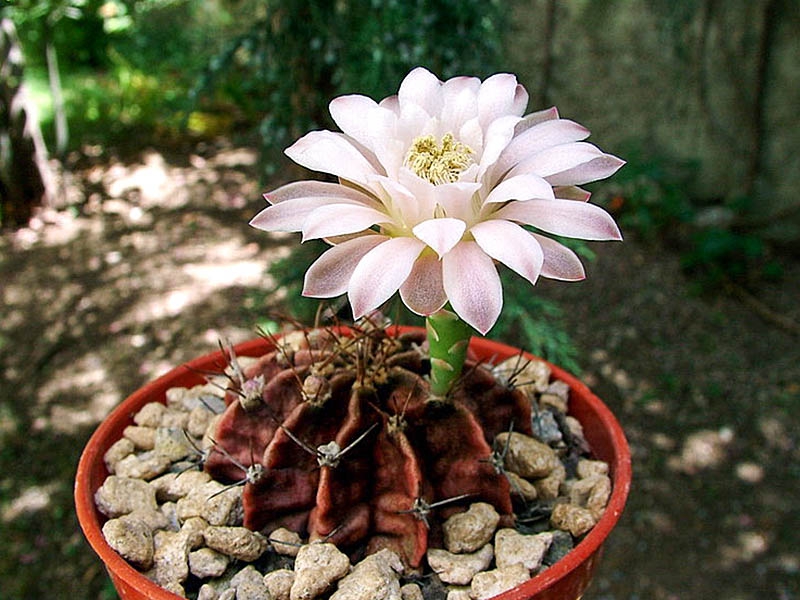
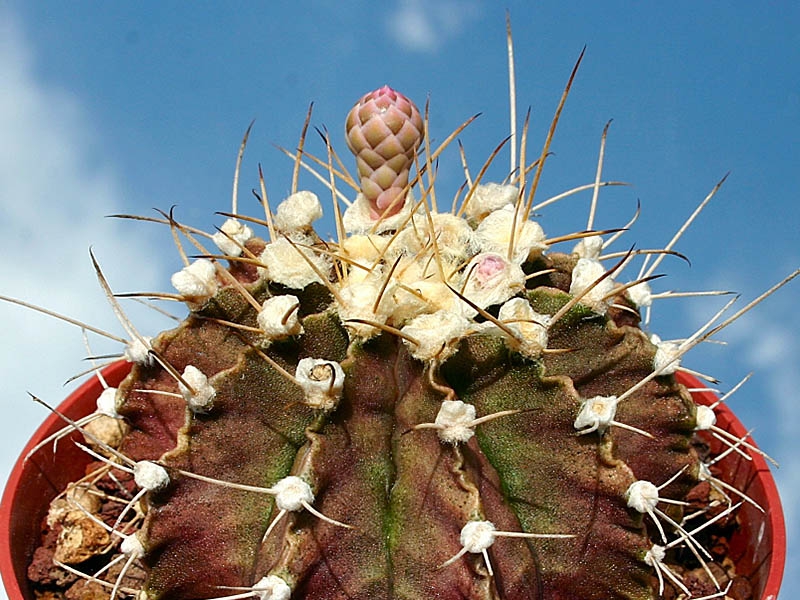
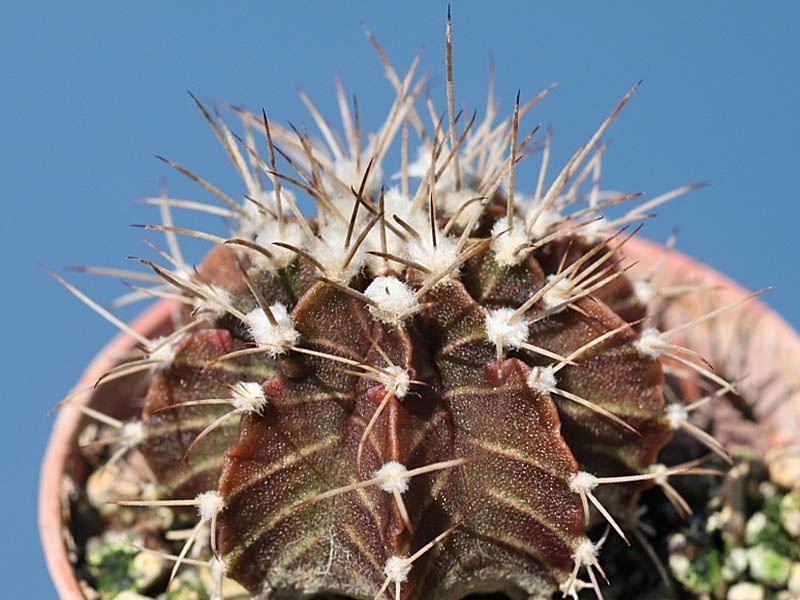
Growth Characteristics Gymnocalycium stenopleurum is a plant with a nearly spherical body and beautiful flowers, generally maintaining a small size. It is primarily distributed in Argentina, South America, and thrives in dry environments. It prefers plenty of sunlight and requires well-draining soil. Propagation Methods Gymnocalycium stenopleurum is mainly propagated by seeds. Seeds are harvested from mature plants in spring or summer and sown. Seeds should be sown in a well-draining medium such as fine sand or perlite. It is important to maintain a warm temperature and provide adequate humidity until germination. Cultivation Methods It is advisable to grow this cactus in a sunny location, but direct sunlight should be avoided during the summer. It is important to water appropriately while avoiding overwatering. Water regularly during spring and summer, but reduce the frequency of watering in winter. Use well-draining soil, and you can use fertilizers specifically designed for cacti. Use in the Garden Due to their small size and unique appearance, Stenopleurum is widely used as a decorative element in gardens. They are particularly suitable for rock gardens, cactus gardens, and succulent collections. Additionally, they can be grown indoors by planting them in containers. Important Pests and Control Methods While Stenopleurum is generally resistant to pests, attention should be paid to certain pests (e.g., spider mites, scale insects). If pests occur, they can be controlled using fungicides, or natural methods such as periodic washing with water or wiping with alcohol can be attempted. It is important to pay attention to watering to prevent root rot caused by overwatering.
Plant Family
Cactus and
Height
12~15cm
Spread
6~12cm
Colors
pink
Bloom Period
March to August
Water Needs
Bad
Exposure
semi-shaded area
Freezing Resistance
-10°C
Bihwaokseonjang
Gymnocalycium baldianum
Shincheonji Cactus
Gymnocalycium saglione