English
한국어
English
Español
中文
हिंदी
Home
News
Community
Dictionary
English
한국어
English
Español
中文
हिंदी
View list
Rhododendron robertianum
Gymnocarpium robertianum
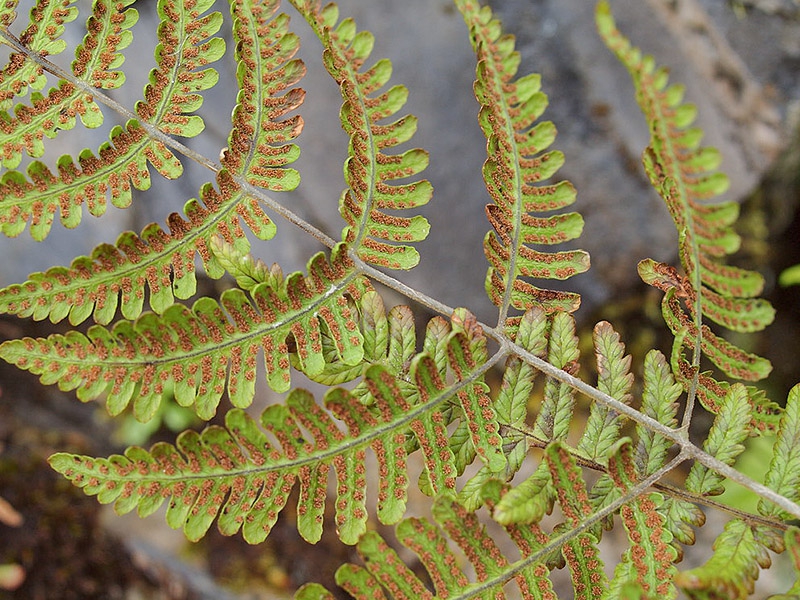
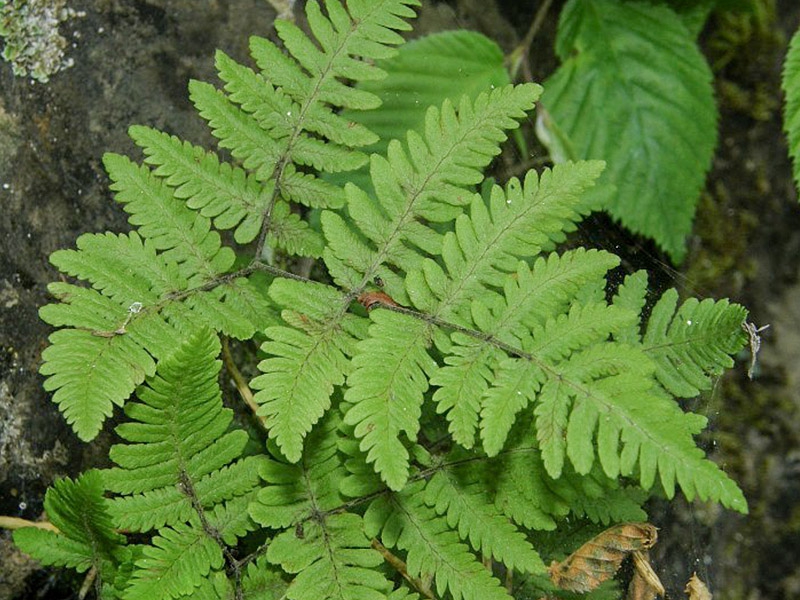
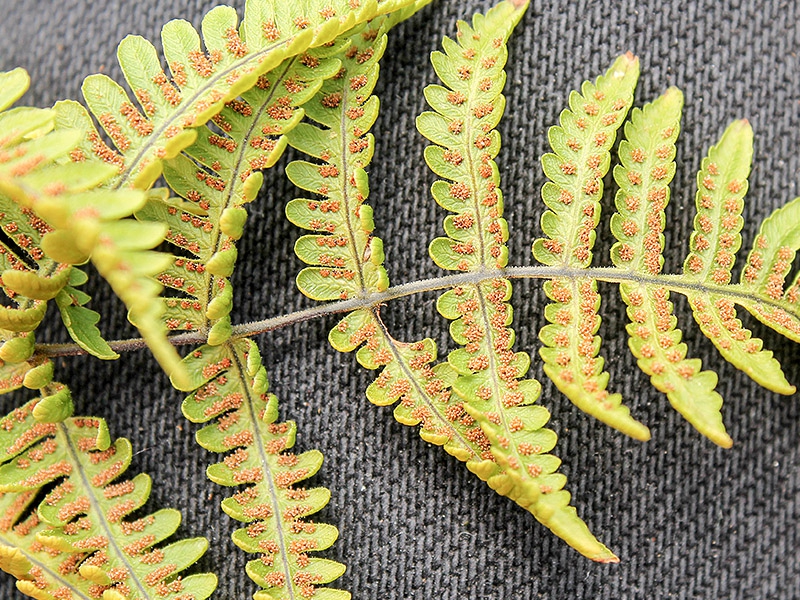
Gymnocarpium robertianum is a perennial fern highly popular in gardens due to its unique appearance and attractive looks. The following is information regarding this plant's growth characteristics, propagation methods, cultivation techniques, garden uses, and major pests and diseases and their control methods. Growth Characteristics: Gymnocarpium robertianum is a plant that primarily prefers moisture and shade; in its natural state, it thrives in shady areas within forests or in moist soil. It grows well in mild climates and prefers environments with moderate humidity and good airflow. Propagation Methods: While this fern reproduces by spores, propagation by division is more common in gardens. You can simply cut off roots in spring or autumn to create new clumps and plant them. Once established, the clumps tend to spread rapidly. Cultivation Methods: When cultivating Gymnocarpium robertianum, well-drained soil rich in organic matter is required. Plant in a shady or semi-shaded location and maintain adequate moisture. Avoid overwatering, and when the climate is dry, mist the leaves to regulate humidity. Garden Uses: This plant is well-suited for shaded or forest gardens. Planting it alongside other shade plants creates a natural atmosphere. It is also excellent as an accent plant in rock gardens. Important Pests and Control Methods: While generally resistant to pests, mold may develop on the leaves if the soil is overwatered or ventilation is poor. To prevent this, ensure good ventilation regularly and use fungicides if necessary. Since an excessive number of weeds hinders plant growth, pay attention to weed removal. With proper care and environmental conditions, Dryopteris robertianum can grow beautifully and healthily in the garden.
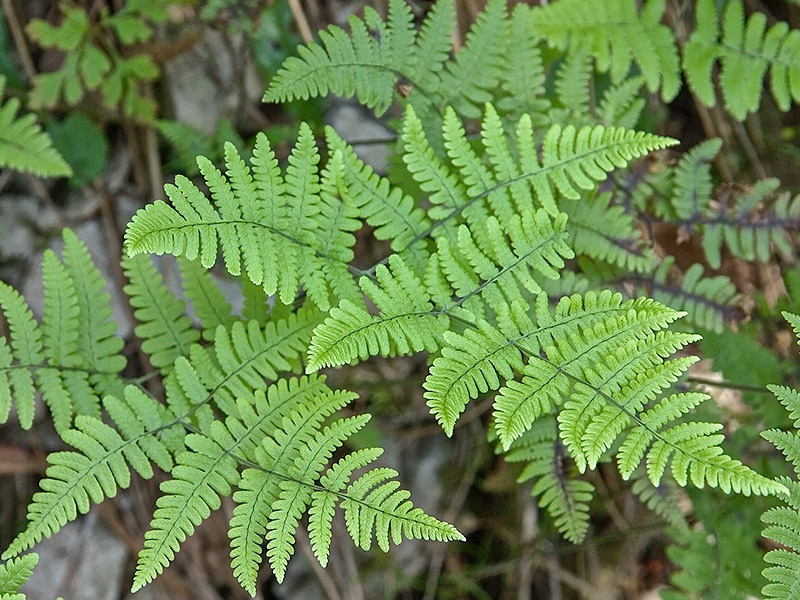
Plant Family
Woodpool and
Height
25~50cm
Colors
green
Bloom Period
June to September (spore period)
Water Needs
commonly
Exposure
semi-shaded area
Freezing Resistance
-20°C
Yellow-flowered Cactus
Gymnocalycium anisitsii
rabbit fern
Gymnocarpium dryopteris