English
한국어
English
Español
中文
हिंदी
Home
News
Community
Dictionary
English
한국어
English
Español
中文
हिंदी
View list
rabbit fern
Gymnocarpium dryopteris
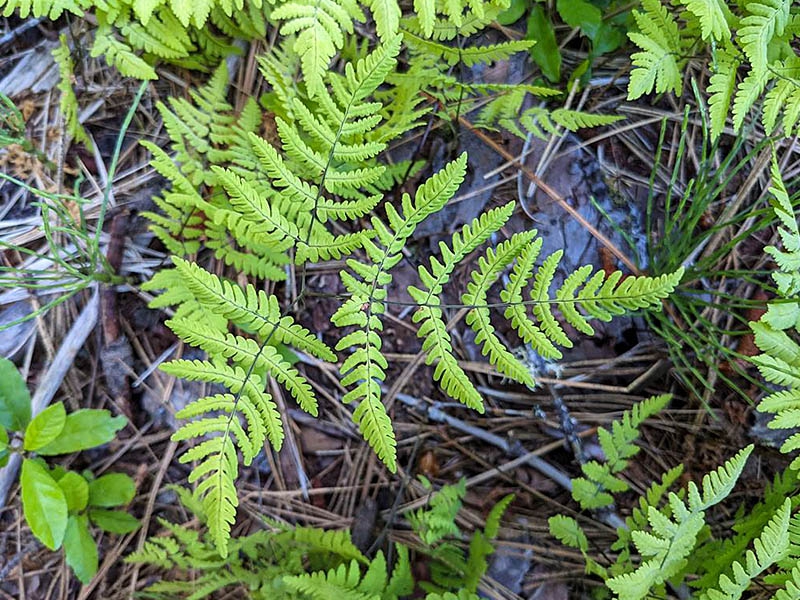
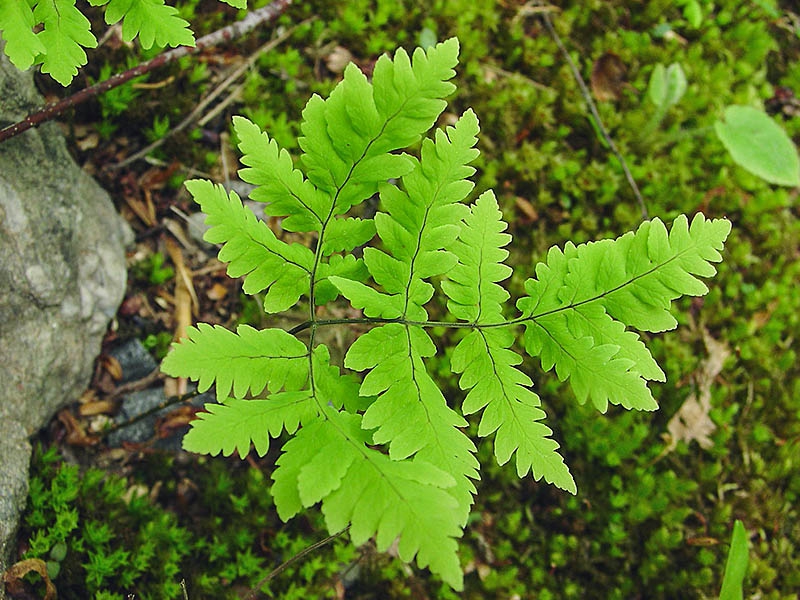
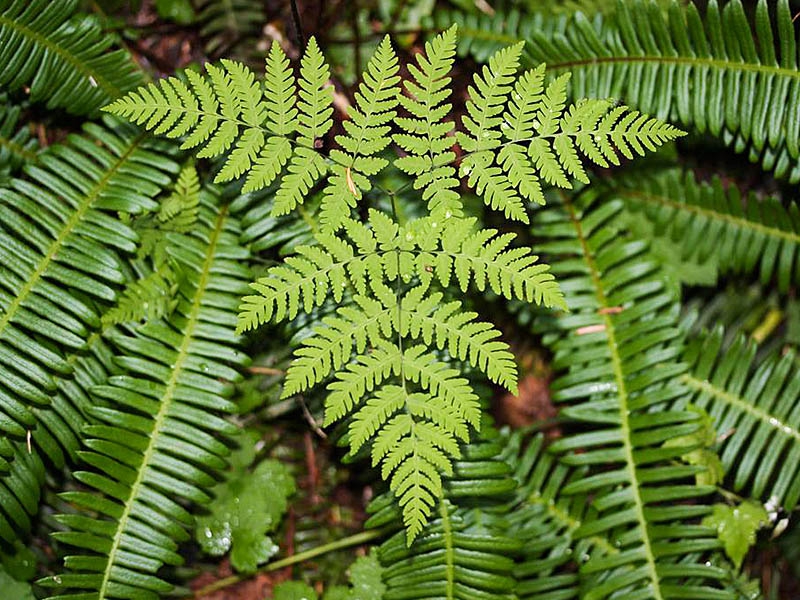
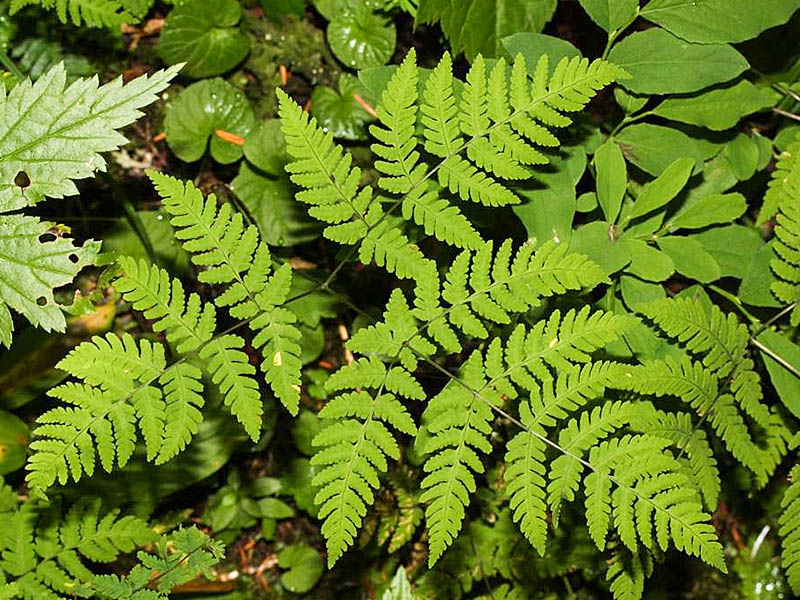
Growth Characteristics Gymnocarpium dryopteris is a fern widely distributed in temperate and subarctic regions of Europe, Asia, and North America. It grows to a height of 20 to 40 cm and thrives in fertile, moist soil, primarily in shaded forest areas. Its thin, soft leaves have a triangular base and prominent veins. Propagation Methods Gymnocarpium dryopteris primarily reproduces by spores. Spores are released from sporangia formed on the undersides of mature leaves. It can also easily propagate via rhizomes, which form colonies once sufficiently expanded. Cultivation Methods - Soil: Fertile, well-drained soil is suitable. It is recommended to maintain a pH of slightly acidic to neutral. - Sunlight: It is ideal to grow in a partially shaded area. Direct sunlight should be avoided. - Watering: Maintain moisture but avoid excessive watering. Consistent watering is important. 4. Temperature: It thrives in cool, humid environments. Hot, dry conditions should be avoided. Uses in the GardenRabbit ferns are excellent for shaded gardens, natural gardens, and as border plants. Planting them alongside other wildflowers and ferns creates a natural look. They are best planted under the shade of conifers or deciduous trees. Important Pests and Control Methods Rabbit ferns are relatively resistant to pests and diseases, but root rot can occur due to excessive moisture. Prevent this by ensuring thorough drainage, and remove any diseased parts if it occurs. To prevent pests, it is recommended to remove surrounding weeds and maintain good ventilation. If pests or diseases occur, use appropriate fungicides or insecticides, but it is crucial to strictly follow standard guidelines.
Plant Family
Myeonma-gwa
Height
10~40cm
Spread
5~10cm
Colors
sporophyte
Bloom Period
June to August (spore period)
Water Needs
commonly
Exposure
semi-shaded area
Freezing Resistance
-30°C
Rhododendron robertianum
Gymnocarpium robertianum
Kentucky coffee tree Dioica
Gymnocladus dioica