English
한국어
English
Español
中文
हिंदी
Home
News
Community
Dictionary
English
한국어
English
Español
中文
हिंदी
View list
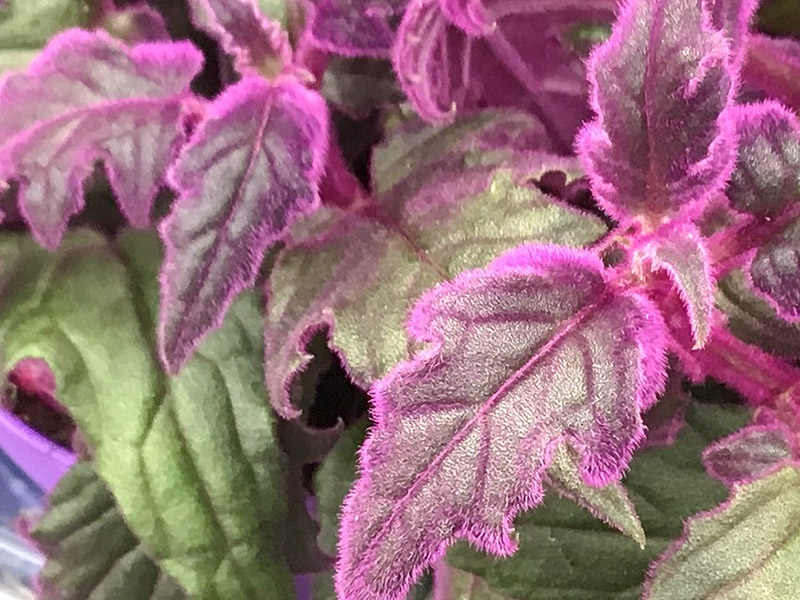
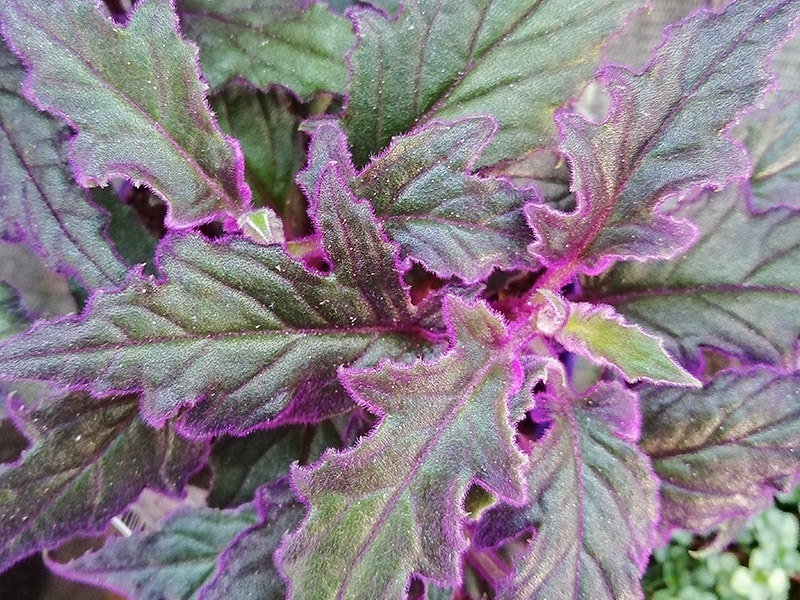
Velvet Ginura
Gynura aurantiaca
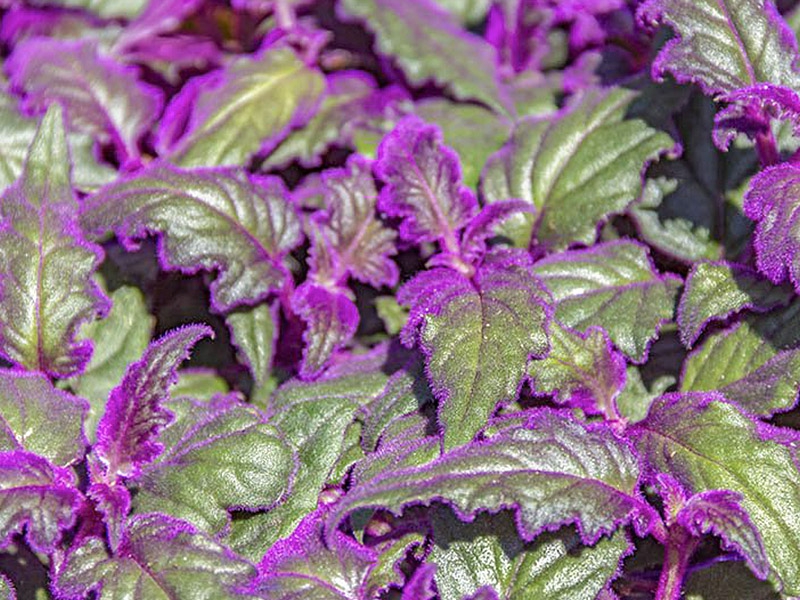
Growth Characteristics of Gynura aurantiaca Gynura aurantiaca is a popular ornamental plant due to its unique purplish leaves. It generally prefers warm and humid environments and thrives in partial shade. The optimal temperature range is 18–24 degrees Celsius, and it prefers indirect light over direct sunlight. Propagation Methods This plant is primarily propagated by cuttings. Cut a healthy stem to a length of 10–15 cm, remove the leaves, and insert the lower part into water or moist soil to encourage rooting. The success rate is highest when taking cuttings in spring or summer. Cultivation Methods - Soil: It is recommended to use well-draining soil. Adding peat moss or perlite to standard potting mix improves drainage. - Watering: Water thoroughly when the soil dries out, but use a pot with good drainage to avoid overwatering. - Fertilizer: During the growing season (spring and summer), apply liquid fertilizer at intervals of 2 to 4 weeks. - Temperature and Humidity: When growing indoors, it is recommended to maintain humidity using a humidifier. Uses in the Garden Due to its showy appearance, Ginura aurantiacia is excellent for indoor decoration and can also be used as a border plant in flowerbeds in warmer regions. However, it is sensitive to cold, so it is advisable to move it indoors during the winter. Important Pests and Control Methods - Diseases: Root rot and powdery mildew may occur due to excessive moisture. Prevent these by ensuring good drainage and maintaining a well-ventilated environment. - Pests: Pests such as aphids and spider mites can cause problems. Remove pests immediately upon discovery, and use insecticides in severe cases. - Control Methods: Minimize chemical control when pests occur; after removing the pests, consider using natural remedies. For example, soapy water or garlic extract can be used.
Plant Family
Asteraceae
Height
60~100cm
Colors
yellow, orange
Bloom Period
September to November
Water Needs
commonly
Exposure
semi-shaded area
Freezing Resistance
-5°C
Kinura Sarmentosa
Gynura sarmentosa
Ginura Species
Gynura species