English
한국어
English
Español
中文
हिंदी
Home
News
Community
Dictionary
English
한국어
English
Español
中文
हिंदी
View list
bell orchid
Peristylus densus
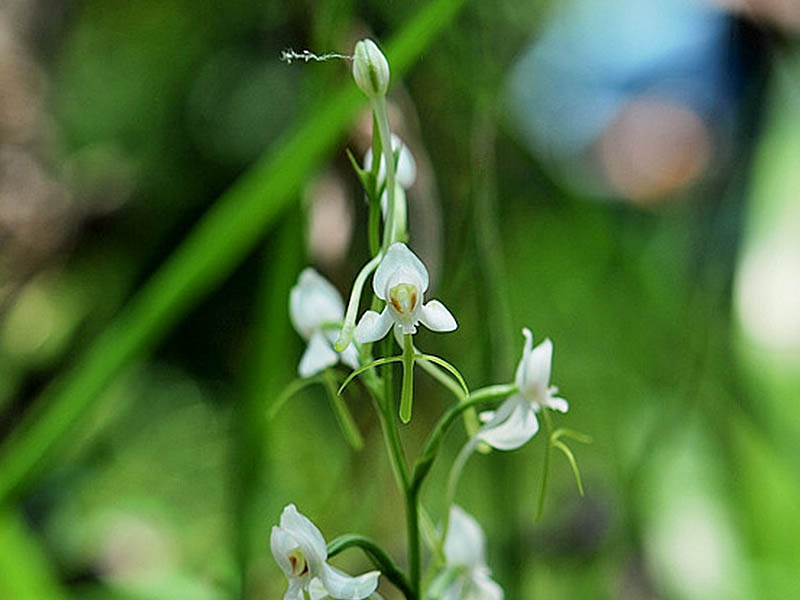
The bell orchid (Peristylus densus) is a perennial plant belonging to the Orchidaceae family that thrives primarily in humid areas. The following describes the growth characteristics, propagation methods, cultivation methods, garden uses, and major pests and diseases, as well as control methods. Growth Characteristics - Environment: The bell orchid grows well in moist soil and partial shade. Since strong sunlight can burn the leaves, a slightly shaded environment is suitable. - Soil: It requires soil with good drainage and moisture retention, and prefers slightly acidic to neutral soil. - Temperature: It grows well in a mild climate with an average temperature of 15–25°C. It enters dormancy during the winter and can adapt to temperatures dropping below freezing. Propagation Methods - Seed Propagation: Propagation is possible via seeds, but it has the disadvantage of a low germination rate and a long time. - Division: It can be propagated by dividing the root portion in early spring or autumn. This is a relatively quick and easy method of propagation. Cultivation Method- Watering: It is important to maintain a moist environment. Water frequently, but be careful not to overwater. - Fertilizer: Provide nutrients by applying liquid fertilizer during the growing season. Once a month is sufficient, and you should not apply excessive fertilizer. - Pot Cultivation: When growing in a pot, create a good drainage layer and ensure the soil drains moisture well. Uses in the Garden- Design: The elegant flowers of the bell orchid make it excellent for use as a focal point in the garden. It can be planted alongside other flowers to create a beautiful landscape. - Wetland Gardens: Planting it in moist gardens or around ponds can create a natural landscape. Important Pests and Diseases & Control Methods- Diseases: Caution is required as root rot can occur due to overwatering. To prevent this, manage drainage well and ensure good ventilation. - Pests: Pests such as aphids may occur. If a problem arises, use an eco-friendly insecticide or remove it by washing with water. - Control Method: It is important to observe the plants regularly and promptly remove pests when they are discovered. If necessary, control them using fungicides or insecticides at an appropriate concentration. By effectively managing your bell orchids based on this information, you can maintain healthy and beautiful plants.
Plant Family
Orchid family
Height
20∼50cm
Colors
green
Bloom Period
September to October
Water Needs
commonly
Exposure
semi-shaded area
Freezing Resistance
-5°C
Dragonfly orchid
Habenaria linearifolia
Dragonfly Orchid
Habenaria cruciformis