English
한국어
English
Español
中文
हिंदी
Home
News
Community
Dictionary
English
한국어
English
Español
中文
हिंदी
View list
True Anchor Flower
Halenia coreana
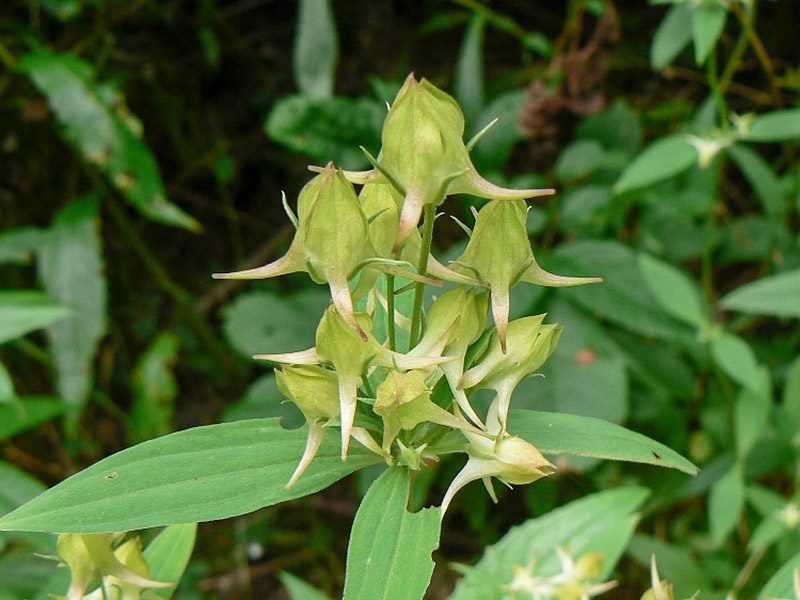
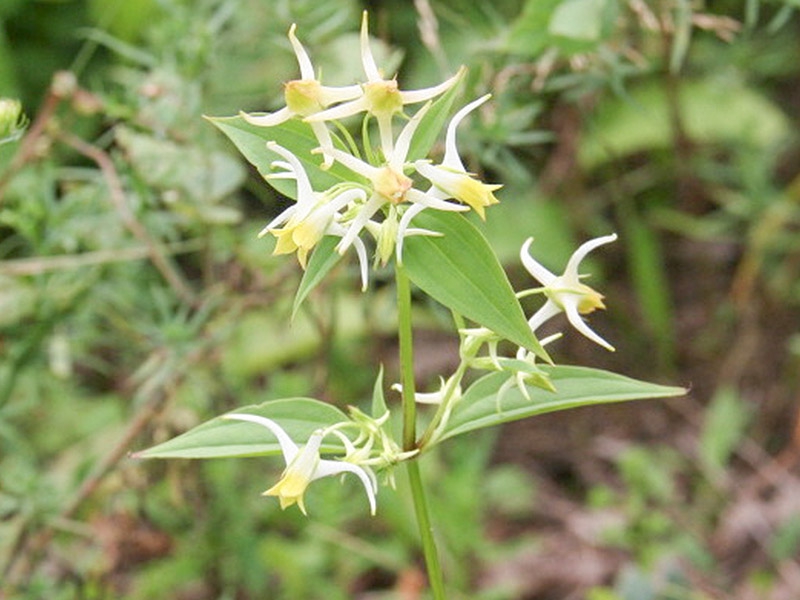
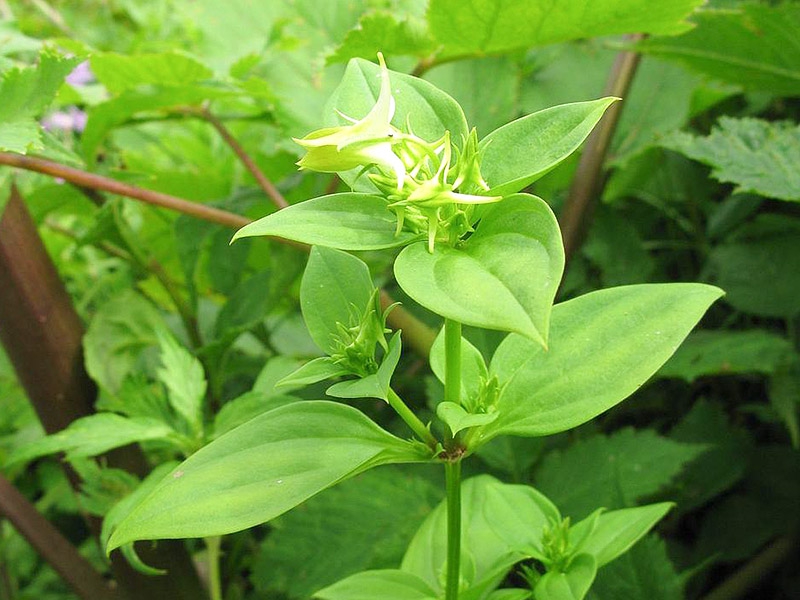
I will explain the growth characteristics, propagation methods, cultivation methods, garden uses, and major pests and diseases and control methods of Halenia corniculata. Growth CharacteristicsHalenia corniculata is a perennial herbaceous plant that thrives primarily in moist environments. It is frequently found at forest edges in mountainous areas or along streams. It grows to a height of approximately 30 to 60 cm and blooms with distinctive anchor-shaped flowers from summer to autumn. This plant grows well in relatively cool climates and thrives in partial shade rather than strong direct sunlight. Propagation MethodsHalenia is primarily propagated by seeds. It is best to collect seeds after the flowers have faded and sow them directly, although sowing in the spring is also acceptable. Since slightly cold weather may be required for seed germination, overwintering helps promote germination. Cultivation MethodsHalenia grows well in well-drained soil. Neutral or slightly acidic soil that is not too fertile is ideal. Water sufficiently, but be careful not to overwater; maintaining moisture is important. When cultivating, it is advisable to manage the area to prevent competition from surrounding weeds. Uses in the GardenAnchors are excellent herbaceous plants for gardens, providing a natural feel. They are particularly well-suited for humid areas and can be used as accent plants in nature gardens or wildflower gardens. Important Pests and Control MethodsAnchors are relatively resistant to pests and diseases, but fungal diseases may occur in humid environments. To prevent this, ensure good ventilation and avoid overwatering. Additionally, if pests such as aphids appear, they can be removed by using insecticides or washing them with water. Please refer to the above information to cultivate healthy Anchors.
Plant Family
Gentian family
Height
10~60cm
Colors
white, yellow
Bloom Period
June to August
Water Needs
commonly
Exposure
Sunny
Freezing Resistance
-10°C
Wind chives
Hakonechloa macra
Double-edged bell tree Magniflora group
Halesia diptera
Magniflora Group