English
한국어
English
Español
中文
हिंदी
Home
News
Community
Dictionary
English
한국어
English
Español
中文
हिंदी
View list
Ant tower
Haloragis micrantha
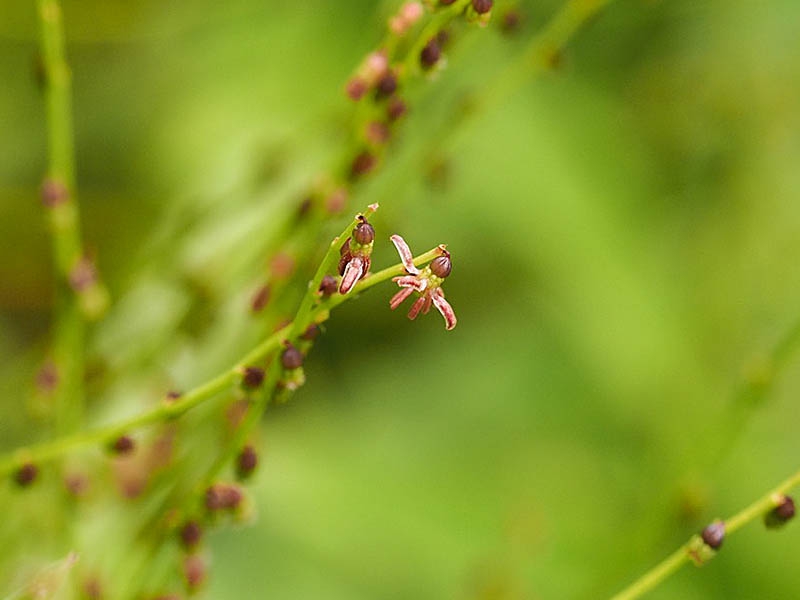
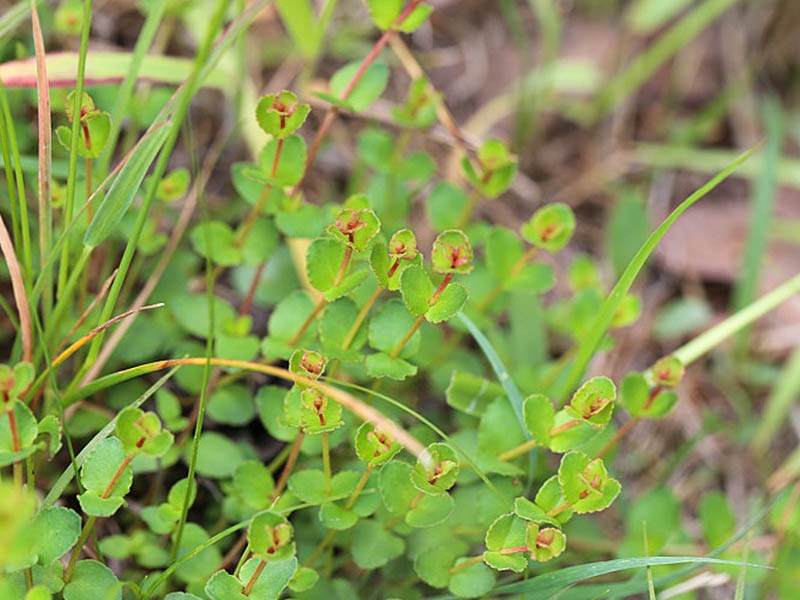
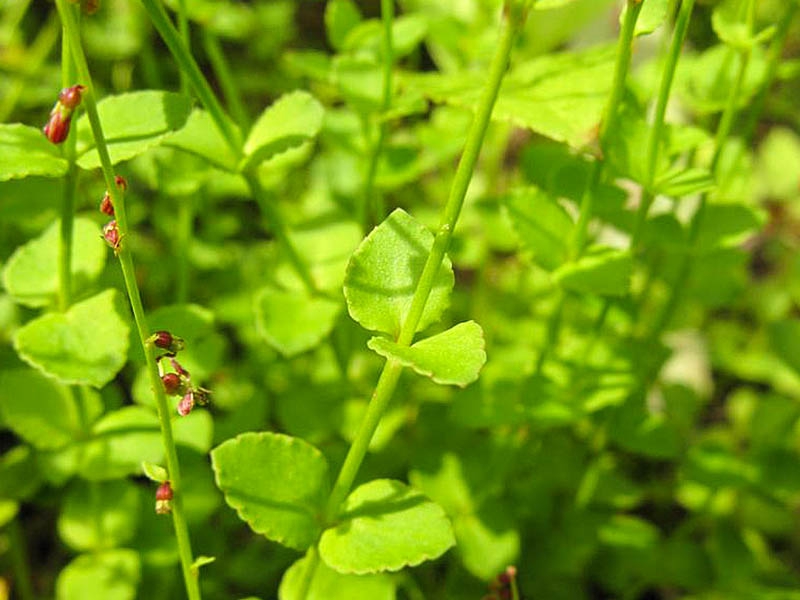
Haloragis micrantha has the following characteristics regarding growth, propagation, cultivation, garden use, and important pests and control methods. Growth Characteristics - Environmental Adaptability: Haloragis micrantha adapts well to a variety of environments and thrives in both wet and dry conditions. - Sunlight Requirements: It prefers full sun but can also grow in partial shade. - Soil Requirements: It grows best in well-drained soil and prefers slightly acidic soil. Propagation Methods - Seed Propagation: It can be easily propagated by seeds; sow seeds directly in the spring or germinate them indoors. - Stem Propagation: Propagation using stem sections is also possible. Soak the sections in water to encourage root growth before planting. Cultivation Methods - Watering: Water according to soil drainage and take care to avoid overwatering. - Fertilization: Use standard all-purpose fertilizers, primarily fertilizing during the growing season in spring and summer. - Pruning: Remove unnecessary branches to improve ventilation and maintain the plant's shape. Uses in the Garden - Landscaping: Micrantha pygmy is widely used in garden landscaping due to its beautiful leaves and flowers. - Border Plant: It is also suitable as a border plant or for ornamental purposes. Important Pests and Control Methods - Pests and Diseases: It is susceptible to attacks by mites and aphids. - Control Methods: - If aphids appear, wash them off with soapy water or use an appropriate insecticide. - If mites appear, use an appropriate pest control agent and ensure good natural ventilation. Micrantha pygmy is a relatively easy-to-care-for plant; even garden beginners can grow it easily, and it thrives in a variety of environments.
Plant Family
Ant Tower and
Height
15~40cm
Colors
red
Bloom Period
August~September
Water Needs
commonly
Exposure
Sunny
Freezing Resistance
-10°C
Silver bell tree
Halesia carolina
Chinese japonica
Hamamelis mollis