English
한국어
English
Español
中文
हिंदी
Home
News
Community
Dictionary
English
한국어
English
Español
中文
हिंदी
View list
Chinese japonica
Hamamelis mollis
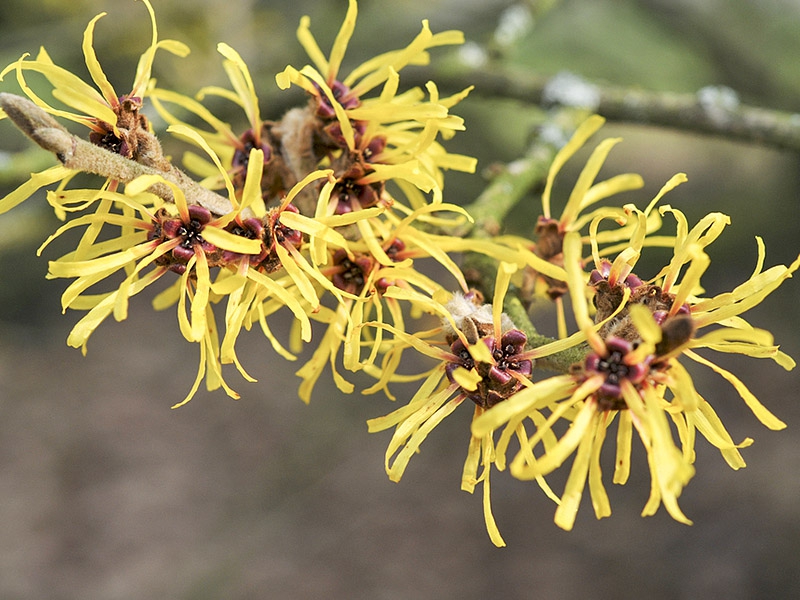
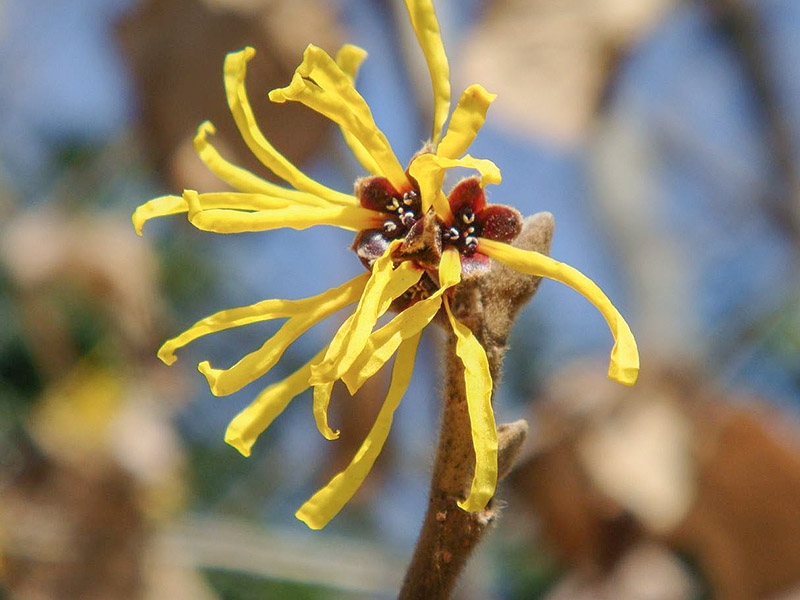
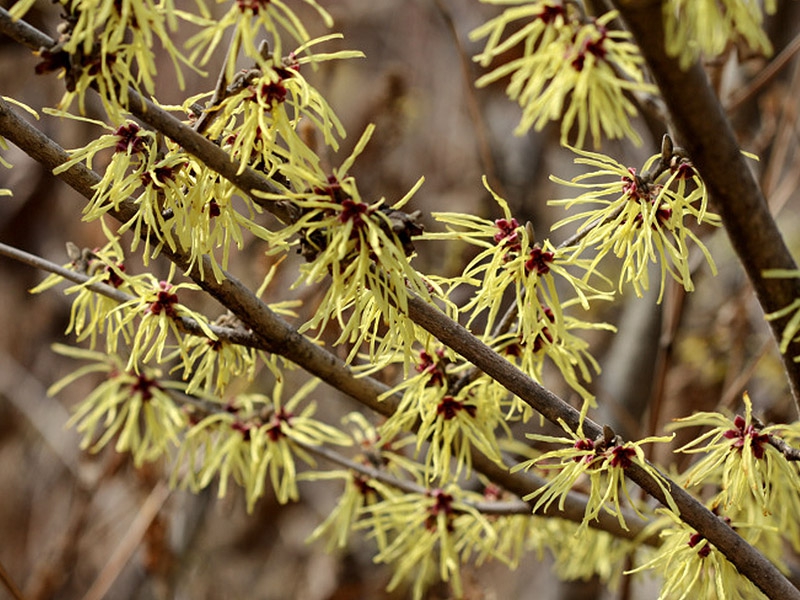
Hamamelis mollis is a deciduous shrub native to China that attracts attention in gardens due to its characteristic of blooming during the winter. The following describes the main growth characteristics, propagation methods, cultivation methods, garden uses, and important pests and diseases and control methods of Hamamelis mollis. Growth Characteristics - Height: It grows up to approximately 3 to 4 meters and is a deciduous shrub. - Leaves: They are oval-shaped with small serrations along the edges. - Flowers: They bloom from late autumn through early spring and feature yellow or orange band-shaped petals. - Growing Environment: It thrives in sunny or semi-shaded areas and prefers well-drained soil. Propagation Methods - Seeds: Collect seeds in the autumn and sow them in early spring. - Cuttings: New plants can be propagated by cutting branches in spring or summer and planting them as cuttings. - Grafting: Propagation is possible by grafting using the roots of other suitable plants. Cultivation Methods - Soil: Prefers well-drained soil rich in organic matter. - Watering: Water to prevent the soil from drying out. It is important to avoid overwatering. - Fertilizer: Using slow-release fertilizer in the spring is recommended. - Pruning: After the flowers have faded, prune as needed to shape the plant. Uses in the Garden - Landscape Plant: Effective for landscape design as it allows you to enjoy seasonal colors through its winter flowers. - Background Plant: Can be placed alongside other evergreens or shrubs to emphasize the changing seasons. Important Pests and Control Methods - Diseases: Generally resistant to disease, but caution is required regarding leaf blight and fungal diseases. - Control: If disease occurs, remove diseased leaves or branches and use an appropriate fungicide for prevention. - Pests: Small pests such as aphids may occur. - Control: Through periodic observation, control pests using soapy water or eco-friendly insecticides upon early detection. Witch moths are highly utilized in gardens due to their unique winter flowering characteristics and ease of care. With proper care and attention, they can be grown into plants that provide a beautiful landscape.
Plant Family
Hamamelidaceae
Height
3~4.5m
Colors
yellow
Bloom Period
March to April
Water Needs
commonly
Exposure
Sunny
Freezing Resistance
-20°C
Ant tower
Haloragis micrantha
Forsythia
Hamamelis japonica