English
한국어
English
Español
中文
हिंदी
Home
News
Community
Dictionary
English
한국어
English
Español
中文
हिंदी
View list
Korean bellflower
Hanabusaya asiatica
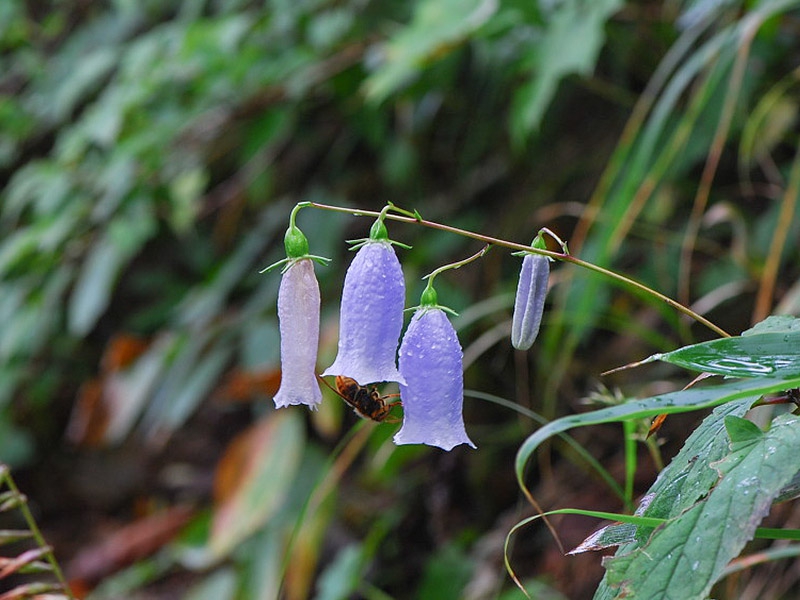
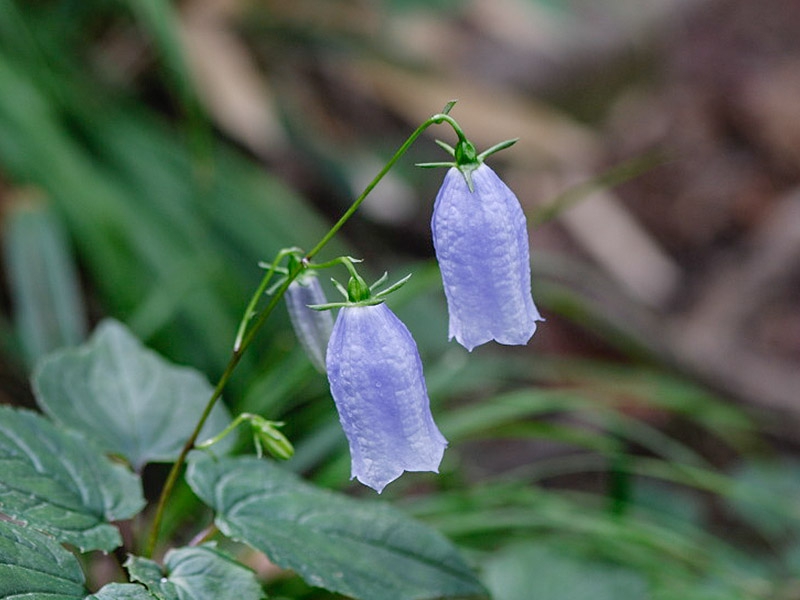
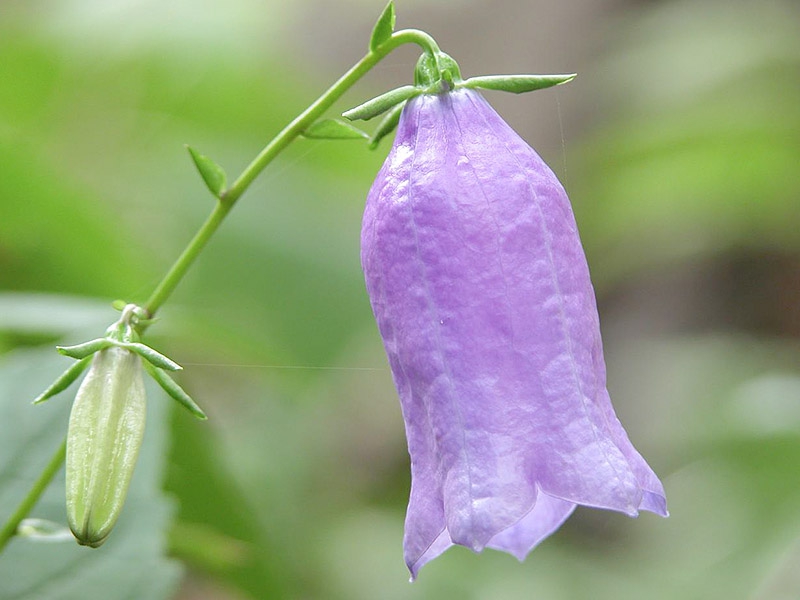
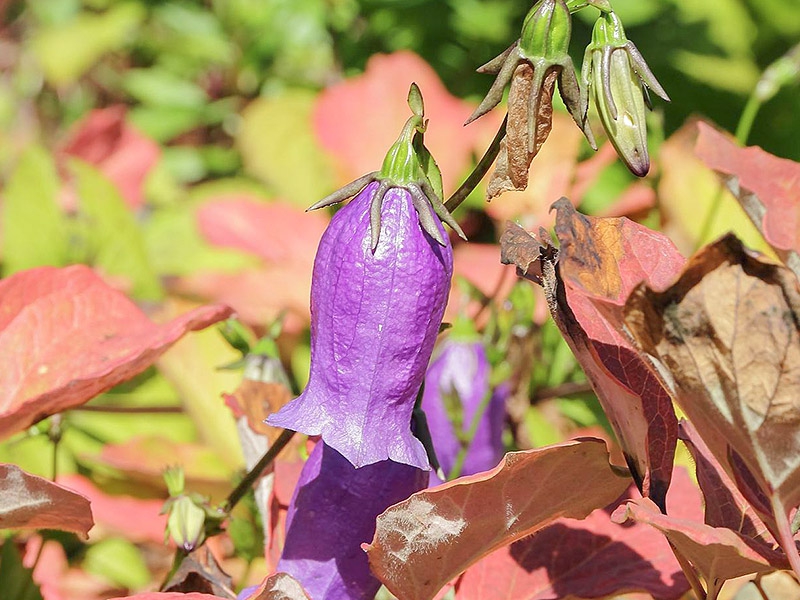
Hanabusaya asiatica is a plant native to Korea that thrives in cool environments, primarily in mountainous regions. The following is information regarding the growth characteristics, propagation methods, cultivation methods, garden uses, and major pests and diseases, as well as control methods. Growth Characteristics - Growing Environment: It prefers a cool environment with moderate humidity. - Soil: It grows well in well-drained soil, and slightly acidic soil is suitable. - Light: It grows well in partial shade, but direct sunlight should be avoided. Propagation Methods - Seed Propagation: It can be propagated using seeds; since the germination rate is not high, it is recommended to plant many seeds. - Division Propagation: It can be propagated by root division. It is most effective to divide during the early growing season. Cultivation Methods - Soil Preparation: Select well-drained soil and mix in compost. 2. Planting: Sow seeds or plant divided roots. - Watering: Avoid overwatering; water when the soil is dry. - Fertilization: Apply an appropriate amount of fertilizer during the growing season. Garden Use - Asiatica is suitable for shady gardens, rock gardens, or moist flower beds, and its unique flower shape provides a significant decorative effect. Important Pests and Control Methods - Pests and Diseases: Fungal diseases, primarily affecting the leaves, can be a problem. - Control Methods: - Grow in a well-ventilated environment to reduce fungal growth. - Immediately remove infected leaves and use an appropriate fungicide if necessary. - Regularly observe and care for the plant to prevent pests and diseases. Based on the information above, you can properly care for Asiatica to promote healthy growth.
Plant Family
Balloon flower family
Height
30~90cm
Colors
White, purple, violet
Bloom Period
August~September
Water Needs
commonly
Exposure
semi-shaded area
Freezing Resistance
-15°C
Hamelia Patens
Hamelia patens
Geomsan bellflower
Hanabusaya latisepala