English
한국어
English
Español
中文
हिंदी
Home
News
Community
Dictionary
English
한국어
English
Español
中文
हिंदी
View list
Haworthia Venosa
Haworthia venosa
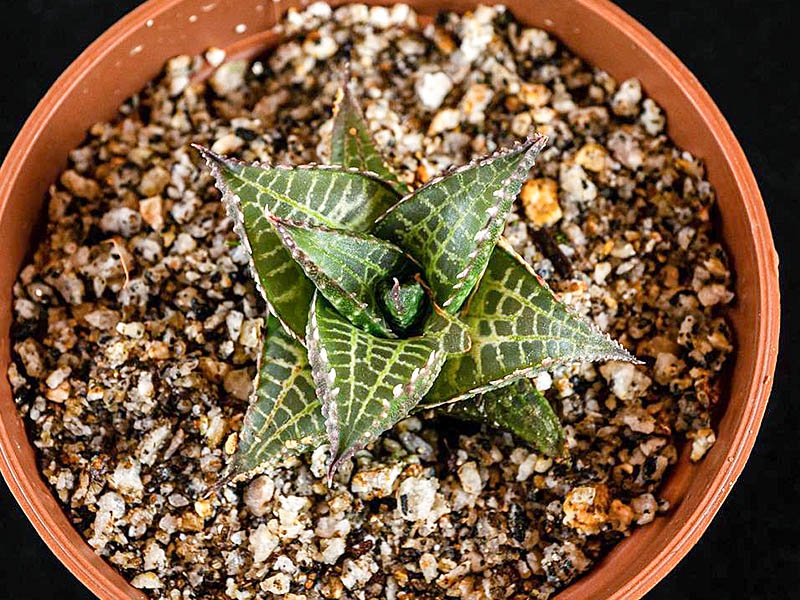
Haworthia venosa is a succulent plant native primarily to the South African region. The following describes the growth characteristics, propagation methods, cultivation methods, garden uses, major pests and diseases, and control methods for Haworthia venosa. Growth Characteristics - Sunlight: It prefers bright indirect light; direct sunlight can burn the leaves. - Temperature: It likes warm temperatures. It is recommended to maintain a temperature above 10 degrees Celsius during the winter. - Watering: It is best to water only after the soil has completely dried out. Overwatering can cause root rot. - Soil: Well-draining soil specifically designed for succulents or potting mix mixed with sand is ideal. Propagation Methods - Leaf Cuttings: Cut off a healthy leaf, let it dry, and plant it in the soil. - Division: Detach offsets that form on the side of the mother plant and plant them. Cultivation Methods - When planting in a pot, place a layer of gravel at the bottom to ensure good drainage. - During spring and summer, provide nutrients using fertilizer specifically designed for succulents every 2 to 4 weeks. - During winter, water very sparingly as the plant enters a dormant period. Uses in the Garden- It can be planted in pots as an indoor decorative plant, or in warmer regions, it can be planted in outdoor rock gardens. Major Pests and Control Methods - Mold: Can occur in overly humid environments; prevent this by improving air circulation and regulating watering. - Aphids and Scale Insects: These pests can appear on the leaves and stems; if necessary, use chemical insecticides or remove them with a cotton swab soaked in alcohol. Haworthia venosa is a relatively easy-to-care-for plant that thrives indoors and is suitable for beginners. With careful care, it can be maintained in a healthy state.
Plant Family
Lily family
Height
17cm
Spread
3cm
Colors
white
Bloom Period
June to August
Water Needs
Bad
Exposure
semi-shaded area
Freezing Resistance
-3°C
Haworthia Venosa subsp. Letusa
Haworthia venosa
subsp.
Retusa
Haworthia turgida var. longibracteata
Haworthia turgida
var.
longibracteata